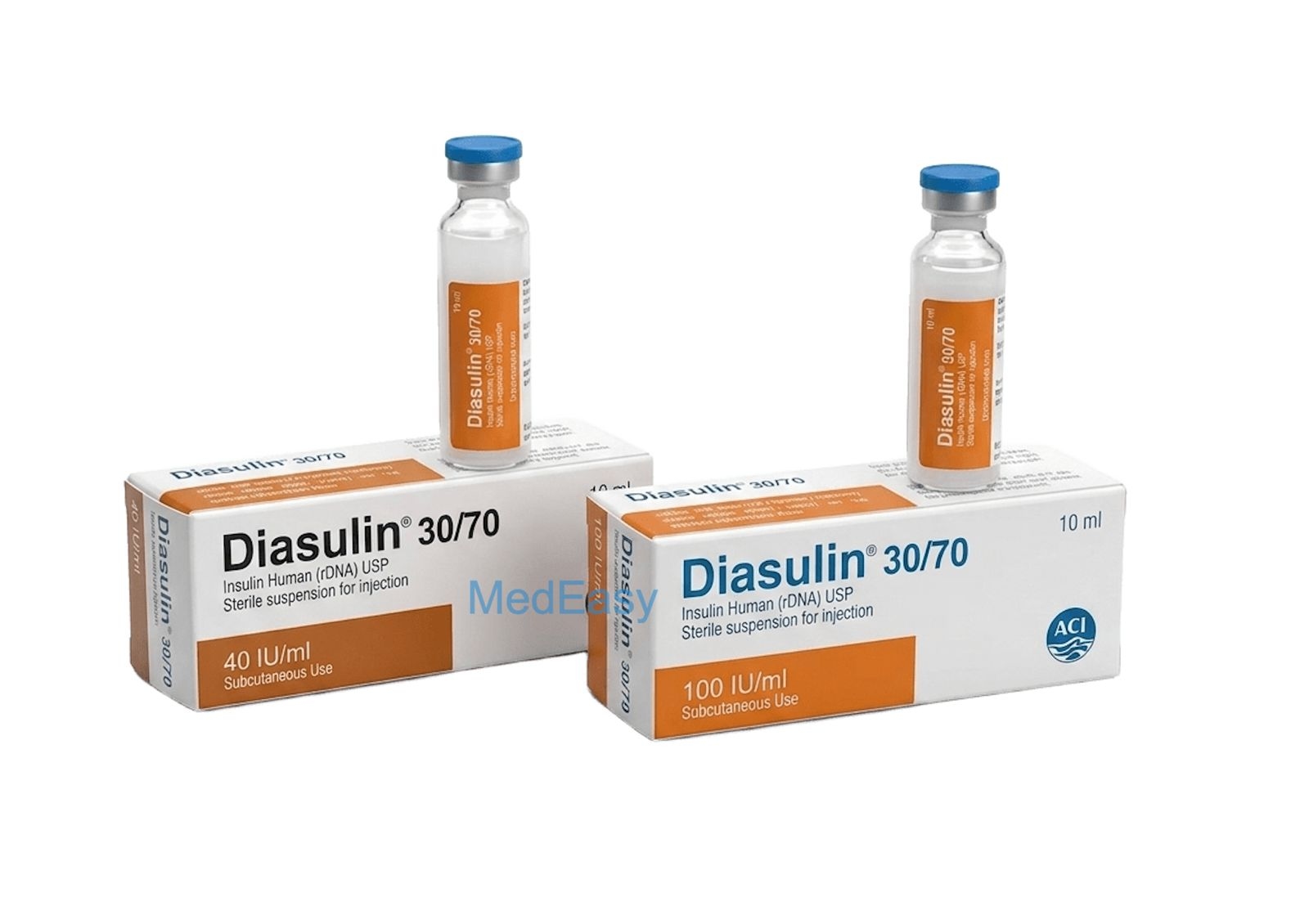
Generic medicine

Insulin Human [rDNA]: Brands, Price & Uses in Bangladesh

Insulin Human [rDNA] is a biosynthetic insulin identical in amino-acid sequence to endogenous human insulin, produced using recombinant DNA technology.

Forms:SC InjectionCartridge

About Insulin Human [rDNA]

Indications of Insulin Human [rDNA]

Insulin Human [rDNA] is a biosynthetic insulin identical in amino-acid sequence to endogenous human insulin, produced using recombinant DNA technology. It is used for glycemic control across several clinical situations, with the strength of evidence varying by indication.

Established / FDA-approved uses

  • Type 1 diabetes mellitus: Insulin Human [rDNA] is required lifelong as replacement therapy since these patients produce little or no endogenous insulin.
  • Type 2 diabetes mellitus: indicated when glycemic control is inadequate on diet, exercise, and oral antidiabetic agents alone, or when oral agents are contraindicated.

Guideline-supported / adjunct uses

  • Diabetic ketoacidosis (DKA) and hyperosmolar hyperglycemic state: short-acting Insulin Human [rDNA] given intravenously under close medical supervision is a mainstay of emergency management.
  • Hyperglycemia associated with acute illness, surgery, or critical care (stress hyperglycemia): used short-term, often as intravenous infusion, to achieve target glucose ranges.
  • Gestational diabetes mellitus: used when medical nutrition therapy alone is insufficient, as Insulin Human [rDNA] does not cross the placenta in clinically significant amounts.

Adjunct / combination use

  • May be combined with an intermediate-acting insulin (e.g., isophane/NPH insulin) or used alongside oral antidiabetic agents as part of a basal-bolus or premixed regimen tailored by the treating physician.

Insulin Human [rDNA] is not indicated for the treatment of hypoglycemia and should never be given during an active hypoglycemic episode.

Dosage & Administration of Insulin Human [rDNA]

Insulin Human [rDNA] dosing is always individualized by the treating physician based on blood glucose monitoring, HbA1c, body weight, diet, activity level, and concurrent illness. See the Dosage table below for typical per-indication starting ranges, and Administration for injection technique.

Side Effects of Insulin Human [rDNA]

Hypoglycemia is the most common and most important adverse effect of Insulin Human [rDNA] and can occur if the dose given exceeds actual requirement relative to food intake and activity. Symptoms include sweating, tremor, palpitations, hunger, confusion, and, if severe, seizures or loss of consciousness.

  • Injection-site reactions: lipodystrophy (lipohypertrophy or lipoatrophy) with repeated injection at the same site; local redness, swelling, or itching.
  • Hypersensitivity: localized allergic reactions are relatively common; rarely, generalized reactions including rash, angioedema, or anaphylaxis can occur.
  • Weight gain and peripheral edema, particularly on initiation of therapy or with intensified regimens.
  • Hypokalemia, especially with intravenous use, due to insulin driving potassium into cells.
  • Visual disturbance (transient blurred vision) with rapid changes in blood glucose at the start of treatment.

Contraindications of Insulin Human [rDNA]

Insulin Human [rDNA] is contraindicated in:

  • An active episode of hypoglycemia.
  • Patients with known hypersensitivity to human insulin or to any excipient in the specific Insulin Human [rDNA] product.

Frequently Asked Questions about Insulin Human [rDNA]

What is Insulin Human [rDNA] used for?

Insulin Human [rDNA] is a recombinant human insulin used to control blood glucose in people with type 1 diabetes (as essential replacement therapy) and type 2 diabetes (when diet, exercise, and oral medicines are not enough), as well as in specific situations such as diabetic ketoacidosis, severe illness, surgery, or gestational diabetes.

How is Insulin Human [rDNA] given?

Insulin Human [rDNA] is usually injected under the skin (subcutaneously) in the abdomen, thigh, upper arm, or buttock, with injection sites rotated to prevent skin changes. In hospital, the short-acting form may be given into a vein under close medical supervision, for example during diabetic ketoacidosis.

What is the biggest risk with Insulin Human [rDNA]?

The most important risk is hypoglycemia (low blood sugar), which can happen if the dose is too high relative to food intake or activity. Warning signs include sweating, shakiness, hunger, and confusion; severe hypoglycemia can cause seizures or unconsciousness and needs immediate medical attention. Always carry a fast-acting source of sugar.

Can Insulin Human [rDNA] be used during pregnancy or breastfeeding?

Insulin Human [rDNA] does not cross the placenta in significant amounts and is generally the preferred insulin choice when diabetes treatment is needed during pregnancy, but it must be used only under close physician supervision because insulin requirements change through pregnancy. It is also considered compatible with breastfeeding, as insulin in milk is broken down in the infant's gut. Always follow your physician's guidance.

Can I switch between different insulin brands or types on my own?

No. Never switch between different insulin products, brands, concentrations, or manufacturers without your physician's explicit guidance, since this can cause dosing errors and lead to severe hypoglycemia or hyperglycemia.

Who should not use Insulin Human [rDNA]?

Insulin Human [rDNA] should not be used during an active episode of hypoglycemia (low blood sugar), and it is contraindicated in anyone with a known hypersensitivity to human insulin or to any ingredient in the specific product.

Disclaimer

The information provided is accurate to the best of our knowledge, but it does not replace professional medical advice. We cannot guarantee its completeness or accuracy, and the absence of specific information about a drug should not be taken as an endorsement. We are not responsible for any consequences arising from this information, so please consult a healthcare professional for any concerns or questions.


DoctorBlogArticles