Generic medicine

Khakshi: Brands, Price & Uses in Bangladesh

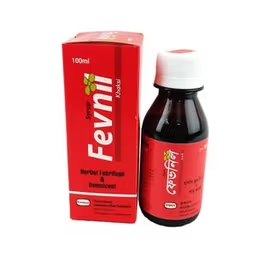
Khakshi is a traditional Unani/Ayurvedic herbal preparation made from the seeds of Sisymbrium irio (commonly known as London rocket).

Forms:Syrup

About Khakshi

Indications of Khakshi

Khakshi is a traditional Unani/Ayurvedic herbal preparation made from the seeds of Sisymbrium irio (commonly known as London rocket). It has long been used in South Asian traditional medicine for the following purposes:

  • Traditional use: symptomatic relief of fever (as a mild antipyretic/diaphoretic aid)
  • Traditional use: symptomatic relief of cough and throat irritation
  • Traditional use: mild digestive discomfort, such as bloating or sluggish digestion

These uses are based on long-standing traditional and anecdotal practice; they are not supported by robust modern clinical trials, and Khakshi has no FDA-approved indication. Khakshi should be used as a supportive, symptomatic remedy only, and should not replace evaluation and treatment by a qualified physician, particularly for persistent, severe, or worsening symptoms.

Dosage & Administration of Khakshi

There is no standardized, clinically established dosing regimen for Khakshi, as formulations and seed concentration vary by manufacturer. Khakshi should be taken strictly according to the product label or the advice of a qualified physician or traditional medicine practitioner.

General Guidance

  • Do not exceed the amount of Khakshi recommended on the product packaging or by a healthcare provider.
  • Khakshi is typically taken orally, often soaked or boiled in water, or as directed on the product label.
  • If symptoms do not improve within a few days of using Khakshi, or if they worsen, stop use and seek medical evaluation.

Side Effects of Khakshi

Khakshi is generally considered well tolerated in traditional use, but formal safety data are limited. Reported or theoretical side effects include:

  • Mild gastrointestinal discomfort, bloating, or loose stools
  • Allergic reactions (skin rash, itching) in individuals sensitive to Brassicaceae-family plants

If any unexpected or severe reaction occurs after taking Khakshi, discontinue use and seek medical attention.

Contraindications of Khakshi

Khakshi is contraindicated in individuals with known hypersensitivity to Khakshi (Sisymbrium irio seeds) or to other plants of the Brassicaceae (mustard) family.

Frequently Asked Questions about Khakshi

What is Khakshi used for?

Khakshi is a traditional Unani/Ayurvedic herbal remedy made from Sisymbrium irio seeds, traditionally used for symptomatic relief of fever, cough, and mild digestive discomfort. Its use is based on traditional practice, not robust modern clinical evidence.

Is Khakshi safe to use during pregnancy?

The safety of Khakshi during pregnancy has not been established. Khakshi should be used during pregnancy only if clearly needed and under a physician's guidance, weighing potential benefit against unknown risk.

Can children take Khakshi?

Safety and efficacy of Khakshi in children are not established. Khakshi should generally be avoided in young children unless a physician specifically recommends and supervises its use.

Who should not take Khakshi?

Anyone with a known hypersensitivity to Khakshi (Sisymbrium irio seeds) or to other Brassicaceae-family plants should not take Khakshi.

What should I do if I take too much Khakshi?

If you take more Khakshi than recommended and experience severe gastrointestinal upset, allergic reaction, or any concerning symptom, seek immediate medical attention or contact a poison control center rather than attempting home treatment.

How should Khakshi be stored?

Store Khakshi at room temperature (below 30°C), away from light and moisture, and keep it out of reach of children.

Disclaimer

The information provided is accurate to the best of our knowledge, but it does not replace professional medical advice. We cannot guarantee its completeness or accuracy, and the absence of specific information about a drug should not be taken as an endorsement. We are not responsible for any consequences arising from this information, so please consult a healthcare professional for any concerns or questions.

DoctorBlogArticles