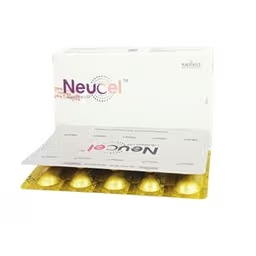
Generic medicine

L-Glutathione: Brands, Price & Uses in Bangladesh

L-Glutathione is a naturally occurring antioxidant tripeptide used mainly as a dietary/nutritional supplement.

Forms:Tablet

About L-Glutathione

Indications of L-Glutathione

L-Glutathione is a naturally occurring antioxidant tripeptide used mainly as a dietary/nutritional supplement. Its indications can be classified as follows:

Established / Supplement Use

  • Antioxidant and cellular detoxification support: L-Glutathione is marketed as a nutritional supplement to support the body's natural antioxidant defenses and detoxification processes. This is a general wellness/supplement indication rather than a treatment for a specific disease.

Off-Label / Cosmetic Use (Evidence Limited)

  • Skin lightening / brightening: Oral and, in some markets, injectable formulations of L-Glutathione are widely marketed and used off-label for skin-lightening or "glow" effects. Evidence supporting efficacy, particularly for oral formulations, is limited and inconsistent, and this use is not approved by major regulatory bodies such as the US FDA. Injectable use for this purpose is discouraged outside properly supervised, medically indicated settings (see Precautions and Warnings).

Investigational Uses

  • L-Glutathione has been studied as an adjunct for conditions associated with oxidative stress (e.g., certain liver conditions); such uses remain investigational, are not standard of care, and should only be pursued under physician supervision as part of a broader treatment plan, not as a stand-alone therapy.

L-Glutathione is not an antibiotic and has no established role in treating infections.

Dosage & Administration of L-Glutathione

General Guidance

There is no single FDA-approved therapeutic dose for L-Glutathione, since it is marketed as a dietary supplement rather than an approved prescription drug. Dosing below reflects common supplement labeling and reported off-label cosmetic-use ranges; patients should follow the specific product label or their physician's advice.

UseTypical Adult DoseRoute
General antioxidant supplementation250 mg to 1000 mg once daily, or as directed on product labelingOral
Off-label skin-brightening (oral)500 mg to 1000 mg once or twice daily, typically for a defined course as advised by a physicianOral
Off-label skin-brightening (injectable/IV)Variable regimens reported (commonly 600 mg to 2400 mg per session); should only be administered by a qualified healthcare professional in a supervised clinical settingIntravenous (physician-administered only)

Pediatric dosing is not established (see Pediatric Uses). Renal or hepatic impairment: no well-established dose-adjustment guidelines exist; such patients should use L-Glutathione only under physician supervision.

Side Effects of L-Glutathione

Oral L-Glutathione at typical supplement doses is generally well tolerated. Reported side effects include:

  • Mild gastrointestinal upset (bloating, cramping, nausea)
  • Allergic-type skin reactions (rash, itching) in sensitive individuals

Injectable/IV L-Glutathione, particularly at high or unsupervised doses used for cosmetic skin-lightening, carries a greater risk profile, including reports of:

  • Injection-site reactions
  • Thyroid dysfunction
  • Rare but serious skin reactions, including Stevens-Johnson syndrome, in case reports

See Precautions and Warnings for further discussion of injectable-route risks.

Contraindications of L-Glutathione

L-Glutathione is contraindicated in individuals with known hypersensitivity to L-Glutathione or any component of the formulation. There are no other well-established absolute contraindications documented for standard oral supplement use.

Frequently Asked Questions about L-Glutathione

What is L-Glutathione used for?

L-Glutathione is primarily used as an antioxidant dietary supplement to support the body's natural detoxification processes. It is also widely used off-label, in oral and injectable forms, for skin-lightening or brightening effects, although evidence for this cosmetic use is limited, particularly for oral formulations.

Is injectable L-Glutathione safe for skin whitening?

Injectable L-Glutathione used for cosmetic skin-lightening, especially when unsupervised or at high doses, has been associated with safety concerns including skin reactions, thyroid dysfunction, and rare but serious reactions such as Stevens-Johnson syndrome in case reports. It should only be administered by a qualified healthcare professional in a supervised clinical setting, and is generally discouraged outside properly supervised, medically indicated use.

Can I take L-Glutathione during pregnancy?

Data on L-Glutathione safety in pregnancy are insufficient. It should be used during pregnancy only if clearly needed and if the potential benefit outweighs potential risk to the fetus, and only after consulting a physician. Cosmetic use is not recommended during pregnancy.

What are the common side effects of L-Glutathione?

Oral L-Glutathione is generally well tolerated, with mild gastrointestinal upset or occasional allergic-type skin reactions being the most commonly reported side effects. Injectable use carries a higher risk of more serious reactions, including thyroid dysfunction and rare severe skin reactions.

Who should not use L-Glutathione?

L-Glutathione should not be used by anyone with a known hypersensitivity to L-Glutathione or any component of the specific product formulation. There are no other well-established absolute contraindications for standard oral supplement use, but caution is advised in pregnancy, breastfeeding, thyroid disease, and during cancer treatment.

What should I do if too much L-Glutathione is taken?

If an overdose is suspected, especially involving high-dose or unsupervised injectable use, seek immediate medical attention or contact a poison control center rather than attempting to manage it at home.

Disclaimer

The information provided is accurate to the best of our knowledge, but it does not replace professional medical advice. We cannot guarantee its completeness or accuracy, and the absence of specific information about a drug should not be taken as an endorsement. We are not responsible for any consequences arising from this information, so please consult a healthcare professional for any concerns or questions.

DoctorBlogArticles