Generic medicine

Lanthanum Carbonate: Brands, Price & Uses in Bangladesh

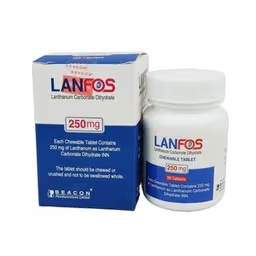
Lanthanum Carbonate is indicated for the reduction of elevated serum phosphate levels (hyperphosphatemia) in patients with end-stage renal disease (ESRD) who are on dialysis (hemodialysis or…

Forms:Chewable Tablet

About Lanthanum Carbonate

Indications of Lanthanum Carbonate

Lanthanum Carbonate is indicated for the reduction of elevated serum phosphate levels (hyperphosphatemia) in patients with end-stage renal disease (ESRD) who are on dialysis (hemodialysis or peritoneal dialysis). This is an FDA-approved, guideline-supported use.

  • Established use: Control of hyperphosphatemia in ESRD patients on dialysis, as part of an overall management plan that also includes dietary phosphate restriction.
  • Adjunct role: Lanthanum Carbonate is used as an adjunct to dietary phosphate restriction, not as a replacement for it.

Lanthanum Carbonate does not treat the underlying kidney disease; it works only by reducing absorption of phosphate from food in the gut.

Dosage & Administration of Lanthanum Carbonate

Adult Dose (Dialysis Patients)

StepDoseNotes
Starting dose750 mg to 1,500 mg per day, in divided doses with mealsBased on serum phosphate level
TitrationIncrease in increments of 750 mg/dayAdjust every 2-3 weeks until an acceptable serum phosphate level is reached
Typical maintenance dose1,500 mg to 3,000 mg per dayIndividualized based on response; most patients require 1,500-3,000 mg/day in divided doses

Administration Instructions

  • Take Lanthanum Carbonate tablets with food or immediately after meals.
  • Chewable tablets must be chewed completely before swallowing; do not swallow whole, as this reduces effectiveness.
  • Oral powder should be mixed thoroughly with a small amount of soft food (such as applesauce) and consumed immediately.
  • Serum phosphate levels should be monitored regularly during therapy so the dose can be titrated appropriately.

Pediatric Dose

Safety and efficacy of Lanthanum Carbonate have not been established in pediatric patients; see Use in Special Populations.

Renal/Hepatic Adjustment

Lanthanum Carbonate is used specifically in patients with end-stage renal disease on dialysis; no separate renal dose adjustment applies beyond the standard titration described above. Formal studies in hepatic impairment have not established a specific dose adjustment, so use with caution and clinical monitoring in patients with significant hepatic impairment.

Side Effects of Lanthanum Carbonate

The most common side effects of Lanthanum Carbonate, especially when starting therapy, are gastrointestinal:

  • Nausea
  • Vomiting
  • Abdominal pain or discomfort
  • Dyspepsia and constipation

Less common but reported effects include allergic skin reactions and tooth-related injury from improper chewing of tablets. Rare but serious gastrointestinal events (bowel obstruction, perforation, or impaction) have been reported, particularly when tablets are swallowed whole instead of chewed, or in patients with abnormal gastrointestinal anatomy or motility disorders; see Precautions and Warnings and Contraindications.

Contraindications of Lanthanum Carbonate

Lanthanum Carbonate is contraindicated in:

  • Patients with known hypersensitivity to lanthanum carbonate or any component of the formulation.
  • Patients with bowel obstruction, ileus, or fecal impaction, in whom the drug should not be used due to the risk of worsening gastrointestinal obstruction.

Frequently Asked Questions about Lanthanum Carbonate

What is Lanthanum Carbonate used for?

Lanthanum Carbonate is used to lower high blood phosphate levels (hyperphosphatemia) in adults with end-stage renal disease who are on dialysis. It works by binding phosphate from food in the gut so that less of it is absorbed into the blood.

How should I take Lanthanum Carbonate?

Lanthanum Carbonate chewable tablets should be chewed completely (never swallowed whole) and taken with or immediately after meals. If you are using the oral powder, mix it with a small amount of soft food such as applesauce and take it right away. Taking it with meals is essential for it to work properly.

What are the common side effects of Lanthanum Carbonate?

The most common side effects of Lanthanum Carbonate are gastrointestinal, including nausea, vomiting, abdominal pain, dyspepsia, and constipation, especially when starting treatment. These often improve over time. Contact your doctor if side effects are severe or persistent.

Can I take Lanthanum Carbonate if I have a bowel obstruction?

No. Lanthanum Carbonate is contraindicated in patients with bowel obstruction, ileus, or fecal impaction, as it can worsen these conditions. Tell your doctor about any history of bowel problems before starting Lanthanum Carbonate.

Is Lanthanum Carbonate safe during pregnancy or breastfeeding?

Lanthanum Carbonate should be used during pregnancy only if clearly needed, when the potential benefit justifies the potential risk to the fetus, and only under medical supervision. It is not known whether it passes into breast milk, so a physician should be consulted before use while breastfeeding.

Does Lanthanum Carbonate treat kidney disease itself?

No. Lanthanum Carbonate only reduces absorption of phosphate from food in the gut; it does not treat or improve the underlying kidney disease. It must be used alongside dietary phosphate restriction and regular monitoring as part of overall dialysis care.

Disclaimer

The information provided is accurate to the best of our knowledge, but it does not replace professional medical advice. We cannot guarantee its completeness or accuracy, and the absence of specific information about a drug should not be taken as an endorsement. We are not responsible for any consequences arising from this information, so please consult a healthcare professional for any concerns or questions.

DoctorBlogArticles