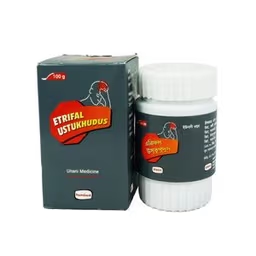
Generic medicine

Lavendar [Lavendula stoechas]: Brands, Price & Uses in Bangladesh

Lavendar [Lavendula stoechas] is a herbal (dietary supplement) preparation derived from the lavender plant, Lavandula stoechas and more.

Forms:Powder for Suspension

About Lavendar [Lavendula stoechas]

Indications of Lavendar [Lavendula stoechas]

Lavendar [Lavendula stoechas] is a herbal (dietary supplement) preparation derived from the lavender plant, Lavandula stoechas, used traditionally and as a complementary supplement rather than as an FDA-approved prescription medicine.

  • Traditional/supplement use: Lavendar [Lavendula stoechas] is traditionally used for mild anxiety and nervous tension, general stress relief, and support for sleep quality, commonly taken as an oral supplement or used as aromatherapy.
  • Evidence-supported use: Some clinical studies of standardized oral lavender oil preparations have shown modest anxiolytic (anxiety-reducing) benefit in adults with mild-to-moderate generalized anxiety symptoms; however, the quality and consistency of evidence is not as robust as for prescription anxiolytic medicines, and Lavendar [Lavendula stoechas] is not a substitute for prescribed anti-anxiety treatment.
  • Adjunct use: Lavendar [Lavendula stoechas] may be used as an adjunct, complementary measure alongside relaxation techniques or physician-directed care for stress-related sleep disturbance, but should not replace medical treatment for diagnosed anxiety disorders or insomnia.

Because Lavendar [Lavendula stoechas] is marketed as a dietary/herbal supplement in most markets, it has not undergone the same rigorous regulatory approval process as prescription drugs. Patients should consult a physician before using Lavendar [Lavendula stoechas] for any medical condition.

Dosage & Administration of Lavendar [Lavendula stoechas]

Adult Dose

Dosing of Lavendar [Lavendula stoechas] varies by product and formulation. As a general guide for standardized oral lavender oil preparations used for supplement purposes, a common regimen is one capsule (approximately 80 mg standardized lavender oil) taken once daily, preferably with water, with or without food. Always follow the specific product label or a physician's/qualified practitioner's advice, as concentration varies between products.

Pediatric Dose

Safety and efficacy of Lavendar [Lavendula stoechas] in children have not been established; use in children is not recommended without specific medical advice (see Use in Special Populations).

Duration

Lavendar [Lavendula stoechas] is generally intended for short-to-medium term supplement use; if symptoms of anxiety or sleep disturbance persist beyond a few weeks, a physician should be consulted for proper evaluation.

Side Effects of Lavendar [Lavendula stoechas]

Side effects reported with Lavendar [Lavendula stoechas] are generally mild:

  • Common: Mild gastrointestinal upset (belching, nausea, indigestion) with oral use.
  • Common: Mild drowsiness or sedation (see Interactions/Precautions for caution with driving or CNS depressants).
  • Uncommon: Headache.
  • Rare: Skin irritation or allergic contact dermatitis with topical/aromatherapy use.
  • Rare (topical use in children): Isolated case reports have described possible mild hormonal (endocrine-disruptive) effects, such as prepubertal gynecomastia, associated with repeated topical application of lavender-containing products in young boys; causality is not firmly established but caution is advised (see Use in Special Populations).

Contraindications of Lavendar [Lavendula stoechas]

Lavendar [Lavendula stoechas] is contraindicated in patients with known hypersensitivity to lavender or to other plants of the Lamiaceae (mint) family.

Frequently Asked Questions about Lavendar [Lavendula stoechas]

What is Lavendar [Lavendula stoechas] used for?

Lavendar [Lavendula stoechas] is a herbal supplement traditionally used for mild anxiety, general stress relief, and support for sleep quality. Some clinical evidence supports modest anxiolytic benefit from standardized oral lavender oil preparations, though it is not a substitute for prescription anxiety treatment.

Is Lavendar [Lavendula stoechas] safe to take every day?

Many people use Lavendar [Lavendula stoechas] daily as a supplement following product label directions, but it should be used for short-to-medium term periods, and a physician should be consulted if anxiety or sleep problems persist or worsen.

Can I take Lavendar [Lavendula stoechas] with sleeping pills or anti-anxiety medicine?

Caution is advised. Lavendar [Lavendula stoechas] may cause additive drowsiness when combined with other CNS depressants such as benzodiazepines, sedative-hypnotics, opioids, certain antihistamines, or alcohol. Inform your physician about all medicines and supplements you take before combining them with Lavendar [Lavendula stoechas].

Can pregnant or breastfeeding women use Lavendar [Lavendula stoechas]?

Safety data are limited. Lavendar [Lavendula stoechas] should be used during pregnancy or breastfeeding only if clearly needed and under the guidance of a physician, who can weigh potential benefit against any uncertain risk to the fetus or infant.

What are the possible side effects of Lavendar [Lavendula stoechas]?

The most common side effects of Lavendar [Lavendula stoechas] are mild gastrointestinal upset and drowsiness. Rare effects include headache, skin irritation with topical use, and isolated case reports of possible hormonal effects with repeated topical use in young boys.

Can children use Lavendar [Lavendula stoechas]?

Lavendar [Lavendula stoechas] is not recommended for children without specific medical advice, as safety and efficacy have not been established in this age group, and rare case reports raise concern about hormonal effects with repeated topical use in prepubertal boys.

Disclaimer

The information provided is accurate to the best of our knowledge, but it does not replace professional medical advice. We cannot guarantee its completeness or accuracy, and the absence of specific information about a drug should not be taken as an endorsement. We are not responsible for any consequences arising from this information, so please consult a healthcare professional for any concerns or questions.

DoctorBlogArticles