Generic medicine

Levocetirizine Dihydrochloride: Brands, Price & Uses in Bangladesh

Levocetirizine Dihydrochloride is a second-generation (low-sedating) antihistamine indicated for the following conditions: Established / FDA-approved uses Seasonal allergic rhinitis — relief of…

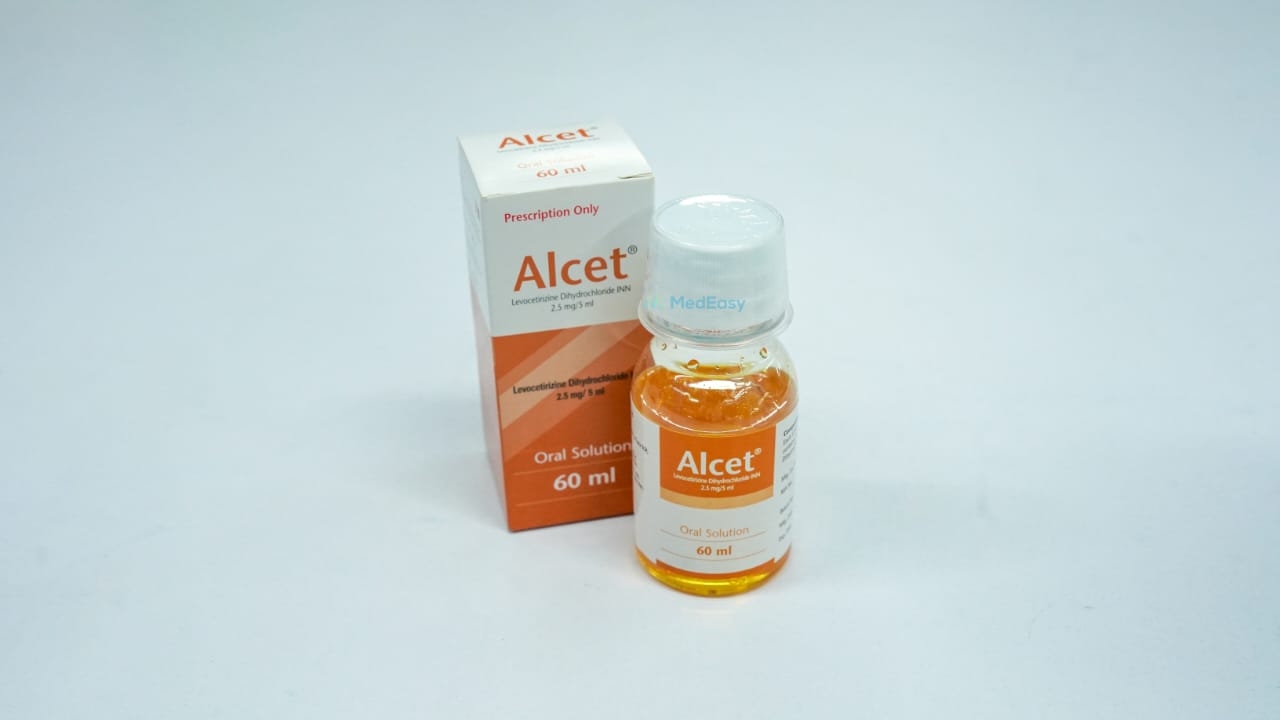
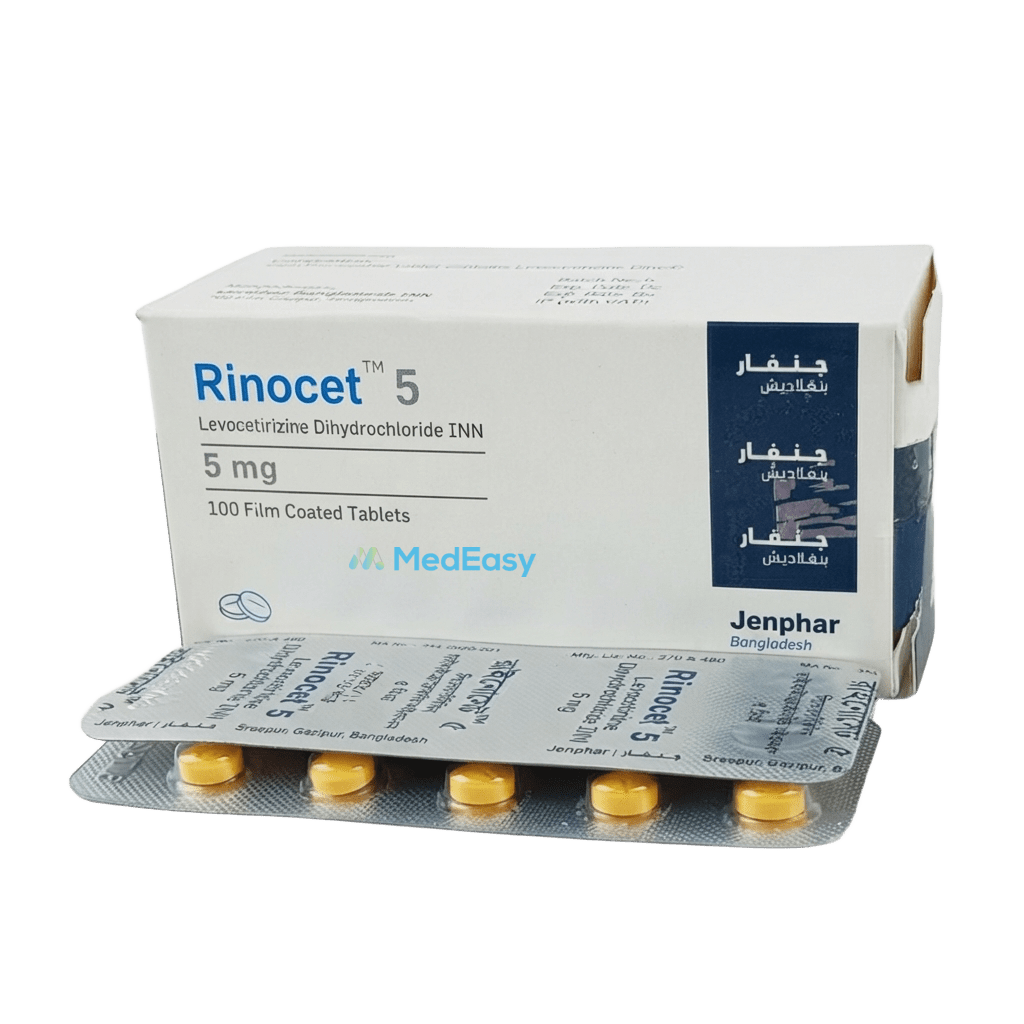
Forms:TabletSyrup

About Levocetirizine Dihydrochloride

Indications of Levocetirizine Dihydrochloride

Levocetirizine Dihydrochloride is a second-generation (low-sedating) antihistamine indicated for the following conditions:

Established / FDA-approved uses

  • Seasonal allergic rhinitis — relief of nasal and non-nasal symptoms (sneezing, rhinorrhea, itching, ocular itching/tearing/redness) in adults and children.
  • Perennial allergic rhinitis — relief of symptoms in adults and children (appropriate age depends on dosage form; oral solution is approved from 6 months of age, tablets from 6 years of age).
  • Chronic idiopathic urticaria — treatment of uncomplicated skin manifestations (hives/itching) in patients 6 months of age and older, using the appropriate dosage form.

Levocetirizine Dihydrochloride is generally used as monotherapy for these allergic conditions and does not require combination with another agent to be effective for its labeled indications.

Dosage & Administration of Levocetirizine Dihydrochloride

Dosing of Levocetirizine Dihydrochloride is once daily, preferably in the evening, and should be individualized by age, indication, and renal function.

Standard dosing by age

Age groupRecommended dose
Adults and children ≥ 12 years5 mg once daily in the evening (some patients may be adequately controlled with 2.5 mg once daily)
Children 6–11 years2.5 mg once daily in the evening
Children 6 months–5 years1.25 mg (2.5 mL of oral solution) once daily in the evening, using an age-appropriate liquid formulation
Children below 6 monthsSafety and efficacy not established; not recommended

Dosage adjustment in renal impairment (adults and children ≥ 12 years)

Renal function (creatinine clearance)Dose
Mild impairment (CrCl 50–80 mL/min)2.5 mg once daily
Moderate impairment (CrCl 30–50 mL/min)2.5 mg once every other day
Severe impairment (CrCl 10–30 mL/min)2.5 mg twice weekly
End-stage renal disease (CrCl < 10 mL/min) / hemodialysisContraindicated — see Contraindications

In pediatric patients (6 months–11 years) with renal impairment, Levocetirizine Dihydrochloride should not be used, as adjusted dosing has not been established in this population. No dose adjustment is required for hepatic impairment alone; in patients with combined hepatic and renal impairment, renal dose-adjustment guidance should be followed. In elderly patients, dosing should be cautious due to a greater likelihood of decreased renal function.

Side Effects of Levocetirizine Dihydrochloride

Most adverse effects of Levocetirizine Dihydrochloride are mild and transient. Reported adverse effects include:

Common (adults and adolescents ≥12 years)

  • Somnolence/drowsiness (most common, up to ~6%)
  • Fatigue
  • Dry mouth
  • Nasopharyngitis, pharyngitis
  • Headache

Common in children

  • Somnolence
  • Pyrexia (fever)
  • Cough, epistaxis (in children 6–12 years)
  • Diarrhea, vomiting, otitis media (in younger children)

Rare / post-marketing

  • Hypersensitivity reactions including anaphylaxis and angioedema
  • Seizures
  • Hepatitis, abnormal liver function
  • Cardiac arrhythmia
  • Psychiatric effects: aggression, agitation, hallucinations, and (rarely) suicidal ideation
  • Urinary retention
  • Skin rash

Patients should seek prompt medical attention for signs of a severe allergic reaction (swelling of the face/throat, difficulty breathing) or any unusual mood or behavioral changes.

Contraindications of Levocetirizine Dihydrochloride

Levocetirizine Dihydrochloride is contraindicated in:

  • Patients with known hypersensitivity to levocetirizine, cetirizine, or any component of the formulation, or to hydroxyzine (the parent compound of cetirizine).
  • Patients with end-stage renal disease (creatinine clearance < 10 mL/min) or those undergoing hemodialysis.
  • Pediatric patients aged 6 months to 11 years with renal impairment, as safe dosing has not been established in this population.

Frequently Asked Questions about Levocetirizine Dihydrochloride

What is Levocetirizine Dihydrochloride used for?

Levocetirizine Dihydrochloride is used to relieve symptoms of seasonal and perennial allergic rhinitis (such as sneezing, runny nose, and itchy/watery eyes) and to treat the itching and hives of chronic idiopathic urticaria.

How should I take Levocetirizine Dihydrochloride?

Levocetirizine Dihydrochloride is usually taken once daily in the evening, with or without food. Swallow tablets whole with water; use the provided measuring device for oral solution. Do not take more than the dose your physician prescribes.

Can Levocetirizine Dihydrochloride make me drowsy?

Yes. Although Levocetirizine Dihydrochloride is a low-sedating antihistamine, some people still experience somnolence or fatigue. Avoid driving or operating machinery until you know how it affects you, and avoid alcohol or other sedating medicines while taking it, since these can increase drowsiness.

Is Levocetirizine Dihydrochloride safe during pregnancy or breastfeeding?

Data on Levocetirizine Dihydrochloride in pregnancy are limited, so it should be used only if clearly needed and if the potential benefit outweighs potential risk to the fetus; a physician should be consulted. It passes into breast milk in small amounts, so a doctor should also be consulted before using it while breastfeeding.

Does Levocetirizine Dihydrochloride need a lower dose in kidney disease?

Yes. Levocetirizine Dihydrochloride is eliminated mainly by the kidneys, so patients with reduced kidney function need a lower dose or less frequent dosing, and it is contraindicated in patients with end-stage renal disease or those on hemodialysis. Your physician will determine the correct dose based on your kidney function.

What should I do if I miss a dose or take too much Levocetirizine Dihydrochloride?

If you miss a dose, take it as soon as you remember, but skip it if it is almost time for the next dose — do not double the dose. If an overdose of Levocetirizine Dihydrochloride is suspected (especially in a child), seek immediate medical attention or contact a poison control center right away.

Disclaimer

The information provided is accurate to the best of our knowledge, but it does not replace professional medical advice. We cannot guarantee its completeness or accuracy, and the absence of specific information about a drug should not be taken as an endorsement. We are not responsible for any consequences arising from this information, so please consult a healthcare professional for any concerns or questions.


DoctorBlogArticles