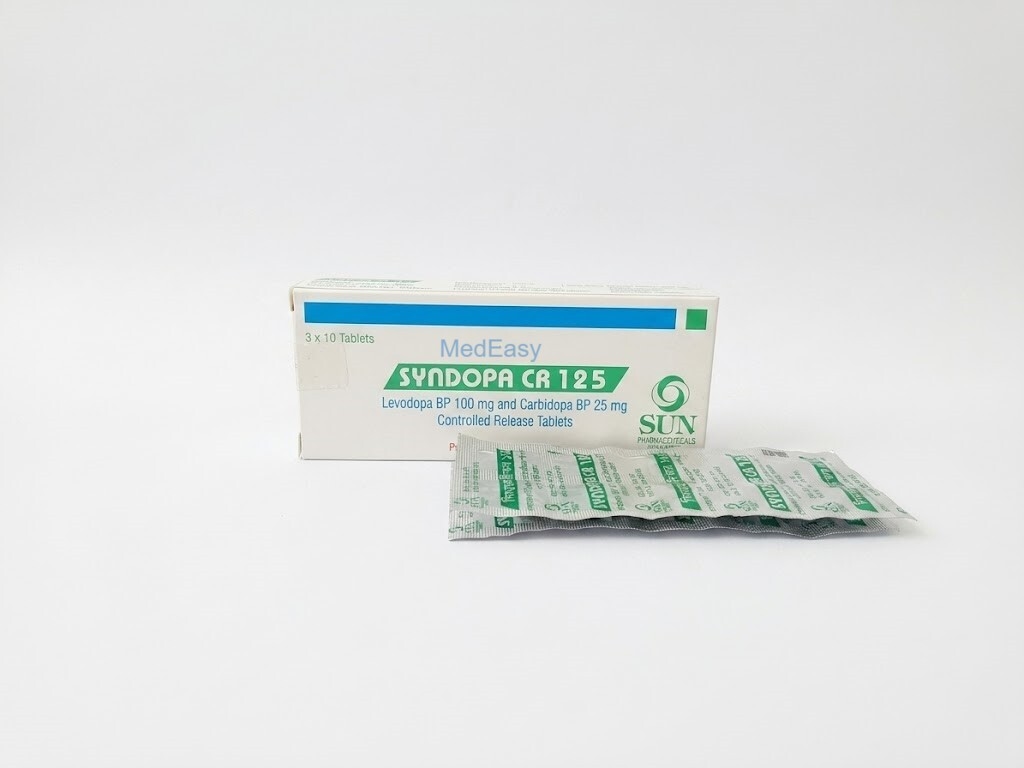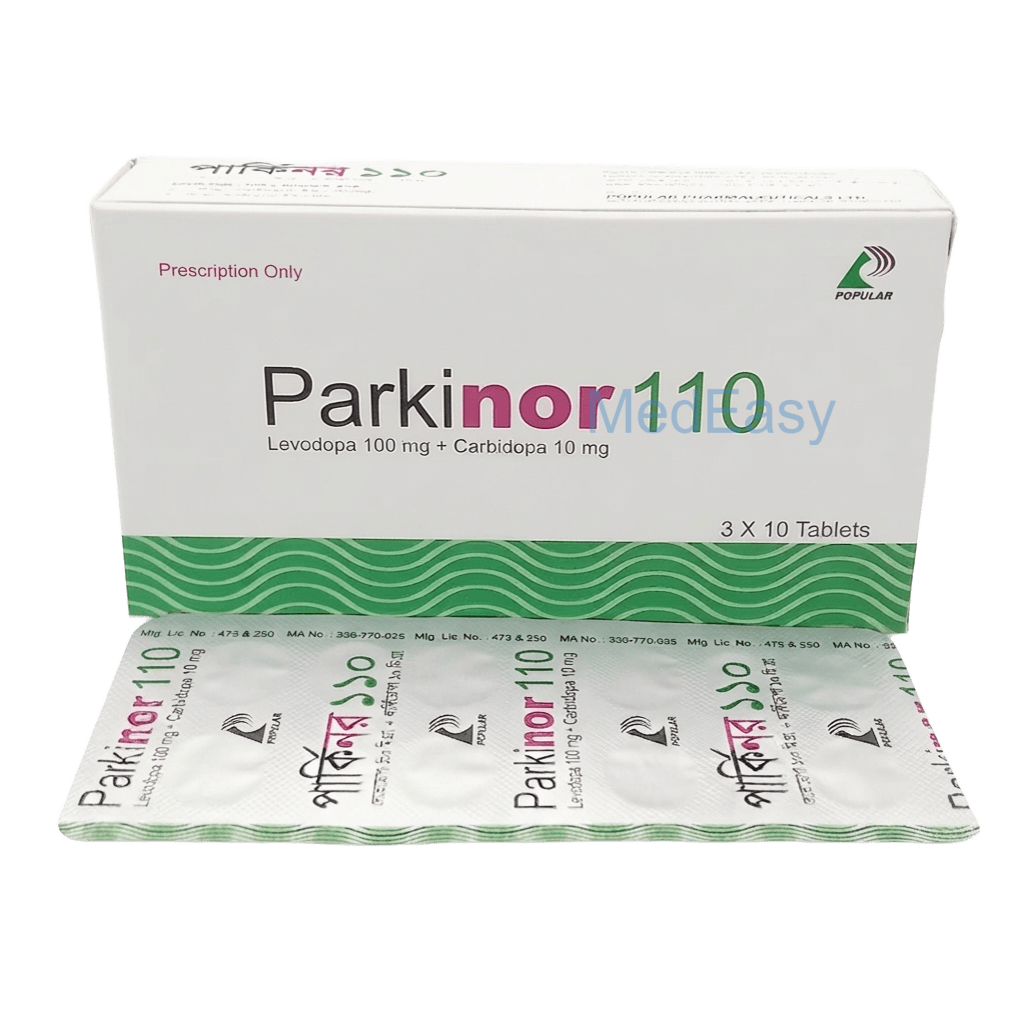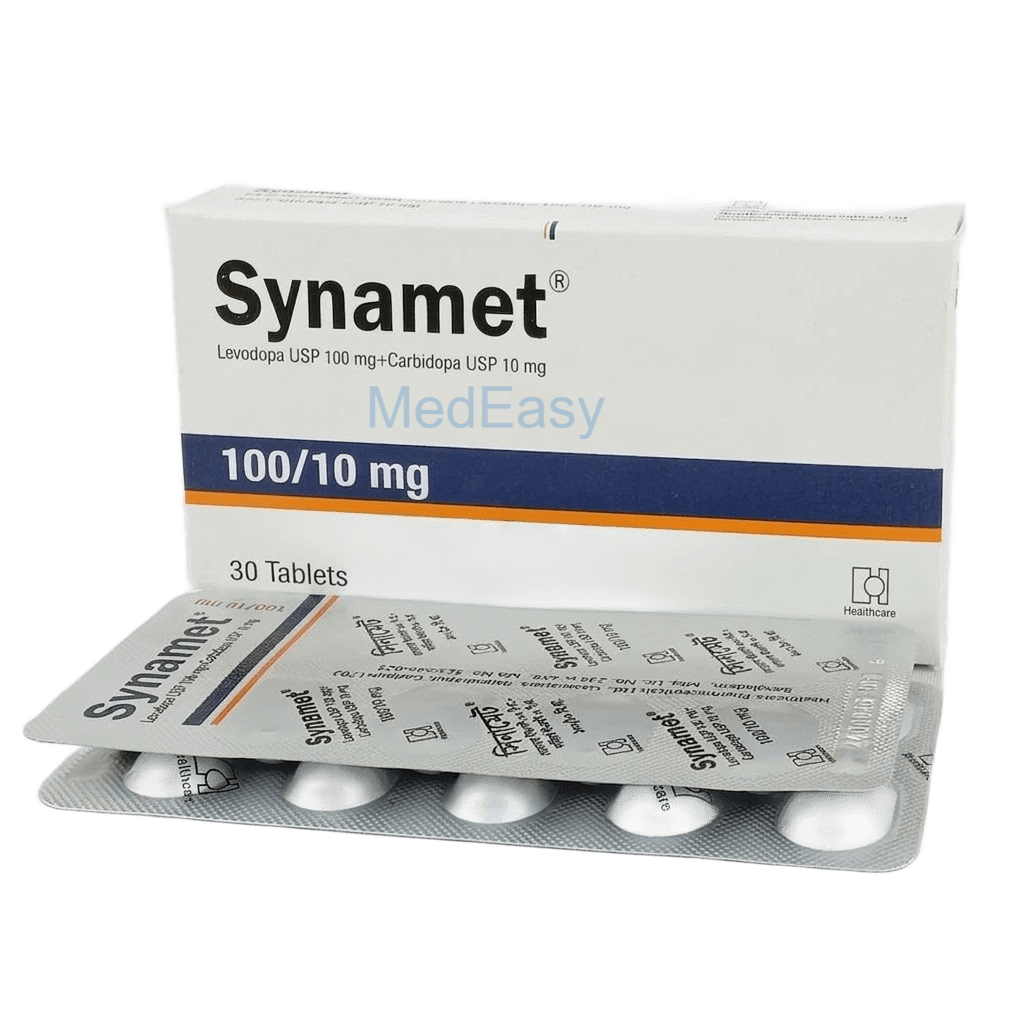
Generic medicine

Levodopa + Carbidopa: Brands, Price & Uses in Bangladesh

Levodopa + Carbidopa is a combination antiparkinsonian medicine used to treat conditions involving dopamine deficiency in the brain.

Forms:Tablet

About Levodopa + Carbidopa

Indications of Levodopa + Carbidopa

Levodopa + Carbidopa is a combination antiparkinsonian medicine used to treat conditions involving dopamine deficiency in the brain.

Established/FDA-approved uses

  • Idiopathic Parkinson's disease (paralysis agitans) — the primary indication, for relief of rigidity, bradykinesia (slowness of movement), tremor, and postural instability.
  • Post-encephalitic parkinsonism — parkinsonism occurring after encephalitis.
  • Symptomatic parkinsonism following carbon monoxide poisoning or manganese intoxication.

Off-label use

  • Occasionally used off-label, at lower doses, for moderate-to-severe restless legs syndrome when other therapies are unsuitable; this use should only be directed by a physician, as intermittent dosing of Levodopa + Carbidopa in restless legs syndrome carries a risk of symptom augmentation.

Levodopa + Carbidopa is not effective for drug-induced (secondary) parkinsonism caused by antipsychotic medicines, and is not a cure — it controls symptoms only for as long as it is taken.

Dosage & Administration of Levodopa + Carbidopa

Dosage of Levodopa + Carbidopa must be individualized by a physician according to the patient's response; the tablets are usually adjustable/scored to allow dose titration. The information below reflects typical adult dosing for the 25 mg carbidopa/100 mg levodopa (25/100) and 25 mg carbidopa/250 mg levodopa (25/250) immediate-release strengths; extended-release and other local strengths are dosed differently — follow the prescribing physician's instructions and the specific product's labeling.

SituationTypical adult dosing
Patients not currently taking levodopaStart with one 25 mg/100 mg tablet three times daily. May increase by one tablet every day or every other day, as needed, until a dose of 8 tablets/day is reached, or until optimal response.
Switching from levodopa aloneStop levodopa at least 12 hours beforehand. Begin Levodopa + Carbidopa at roughly 25% of the previous levodopa dose. Patients previously on <1500 mg/day levodopa: start one 25 mg/100 mg tablet 3–4 times daily; on >1500 mg/day: start one 25 mg/250 mg tablet 3–4 times daily.
MaintenanceAdjust to the lowest effective dose that controls symptoms, typically providing at least 70–100 mg of carbidopa per day; most patients are maintained on 3–8 tablets/day in divided doses. Doses above 8 tablets/day (of the 25/100 strength) are not generally recommended.
Renal impairmentNo formal dose adjustment is established; use with caution and titrate slowly, as levodopa/carbidopa metabolites are renally excreted.
Hepatic impairmentNo formal dose adjustment is established; use with caution in significant hepatic disease.
Pediatric patientsNot recommended — safety and effectiveness in patients under 18 years have not been established (see Pediatric Uses).

How to take it

  • Take at evenly spaced intervals as prescribed. If taking a high-protein meal, try to keep the timing of Levodopa + Carbidopa consistent relative to meals each day, since large amounts of dietary protein can reduce and delay absorption of levodopa (see Precautions).
  • Extended/controlled-release tablets should be swallowed whole and not crushed or chewed, unless a physician has advised otherwise for a specific product.
  • Do not stop Levodopa + Carbidopa suddenly or abruptly reduce the dose without medical supervision, even for a planned surgery or if side effects occur — sudden discontinuation can precipitate a severe reaction resembling neuroleptic malignant syndrome (high fever, muscle rigidity, altered consciousness) and marked worsening of Parkinson symptoms. Any dose change should be physician-directed and gradual.
  • If a dose is missed, take it as soon as remembered unless it is close to the next scheduled dose; do not double the dose.

Side Effects of Levodopa + Carbidopa

Side effects of Levodopa + Carbidopa can be dose-related and often overlap with disease-related symptoms. Report new or worsening symptoms to a physician.

Very common/common

  • Nausea, vomiting, loss of appetite
  • Dyskinesias (choreiform, dystonic, and other involuntary movements) — usually appear after months of therapy and are dose-related
  • Dizziness, drowsiness, headache
  • Dry mouth, constipation, diarrhea
  • Dark discoloration of saliva, sweat, or urine (harmless)

Less common but clinically important

  • Orthostatic (postural) hypotension, palpitations, cardiac arrhythmia
  • Hallucinations, confusion, vivid dreams, psychotic-like behavior (see Precautions)
  • Impulse control disorders — compulsive gambling, hypersexuality, compulsive eating or shopping (see Precautions)
  • Depression, sometimes with suicidal ideation
  • Sudden onset of sleep during daily activities
  • "On-off" phenomenon (unpredictable fluctuations between mobility and immobility) with long-term use
  • Upper gastrointestinal bleeding in patients with a history of peptic ulcer disease

Rare

  • Blood disorders (hemolytic and non-hemolytic anemia, leukopenia, thrombocytopenia, agranulocytosis)
  • Elevated liver enzymes
  • Severe allergic reactions (rash, angioedema)

Contraindications of Levodopa + Carbidopa

Levodopa + Carbidopa is contraindicated in the following situations:

  • Known hypersensitivity to levodopa, carbidopa, or any excipient of the product.
  • Use of non-selective monoamine oxidase (MAO) inhibitors — concurrent use, or use within 2 weeks of stopping a non-selective MAOI, can precipitate a hypertensive crisis. (Selective MAO-B inhibitors at recommended doses are not included in this contraindication.)
  • Narrow-angle glaucoma.
  • Suspicious, undiagnosed skin lesions or a history of melanoma — Levodopa + Carbidopa and levodopa-containing products may theoretically activate malignant melanoma.

Frequently Asked Questions about Levodopa + Carbidopa

What is Levodopa + Carbidopa used for?

Levodopa + Carbidopa is used mainly to treat Parkinson's disease and related parkinsonian conditions. Levodopa is converted into dopamine in the brain to relieve stiffness, slow movement, and tremor, while carbidopa reduces the breakdown of levodopa outside the brain so more of it reaches the brain and fewer side effects like nausea occur.

Can I stop taking Levodopa + Carbidopa suddenly if I feel better or have side effects?

No. Levodopa + Carbidopa should never be stopped suddenly or have its dose reduced abruptly without a physician's guidance. Doing so can cause a serious reaction with high fever, severe muscle rigidity, and confusion (similar to neuroleptic malignant syndrome), as well as a marked return or worsening of Parkinson's symptoms. Always consult your physician before making any change to your dose.

Can I take Levodopa + Carbidopa with a high-protein meal?

Levodopa + Carbidopa can be taken with food to reduce stomach upset, but a large, high-protein meal taken at the same time can reduce and delay the absorption of the levodopa component, making the dose less effective. It is best to take Levodopa + Carbidopa at a consistent time relative to meals each day, as advised by your physician, rather than changing the timing unpredictably.

Are there any medicines I must avoid while taking Levodopa + Carbidopa?

Yes. Non-selective monoamine oxidase (MAO) inhibitors must not be used with Levodopa + Carbidopa, and should be stopped at least 2 weeks beforehand, because the combination can cause a dangerous rise in blood pressure (hypertensive crisis). Certain antipsychotic medicines, metoclopramide, and iron supplements can also reduce the effectiveness of Levodopa + Carbidopa. Always tell your physician about every medicine and supplement you take.

Can Levodopa + Carbidopa cause unusual urges like gambling or overspending?

Yes, this is a recognized effect of dopaminergic medicines including Levodopa + Carbidopa. Some patients develop intense urges to gamble, spend money, eat, or engage in sexual activity, which they may not immediately connect to the medicine. If you or your family notice such behavior changes, tell your physician promptly, as your dose may need to be adjusted.

Is Levodopa + Carbidopa safe to use during pregnancy or while breastfeeding?

There are no adequate, well-controlled studies of Levodopa + Carbidopa in pregnant women, and levodopa passes into breast milk. Levodopa + Carbidopa should be used in pregnancy only if the potential benefit clearly outweighs the potential risk to the baby, and a physician should be consulted before use during pregnancy or breastfeeding.

Disclaimer

The information provided is accurate to the best of our knowledge, but it does not replace professional medical advice. We cannot guarantee its completeness or accuracy, and the absence of specific information about a drug should not be taken as an endorsement. We are not responsible for any consequences arising from this information, so please consult a healthcare professional for any concerns or questions.

DoctorBlogArticles