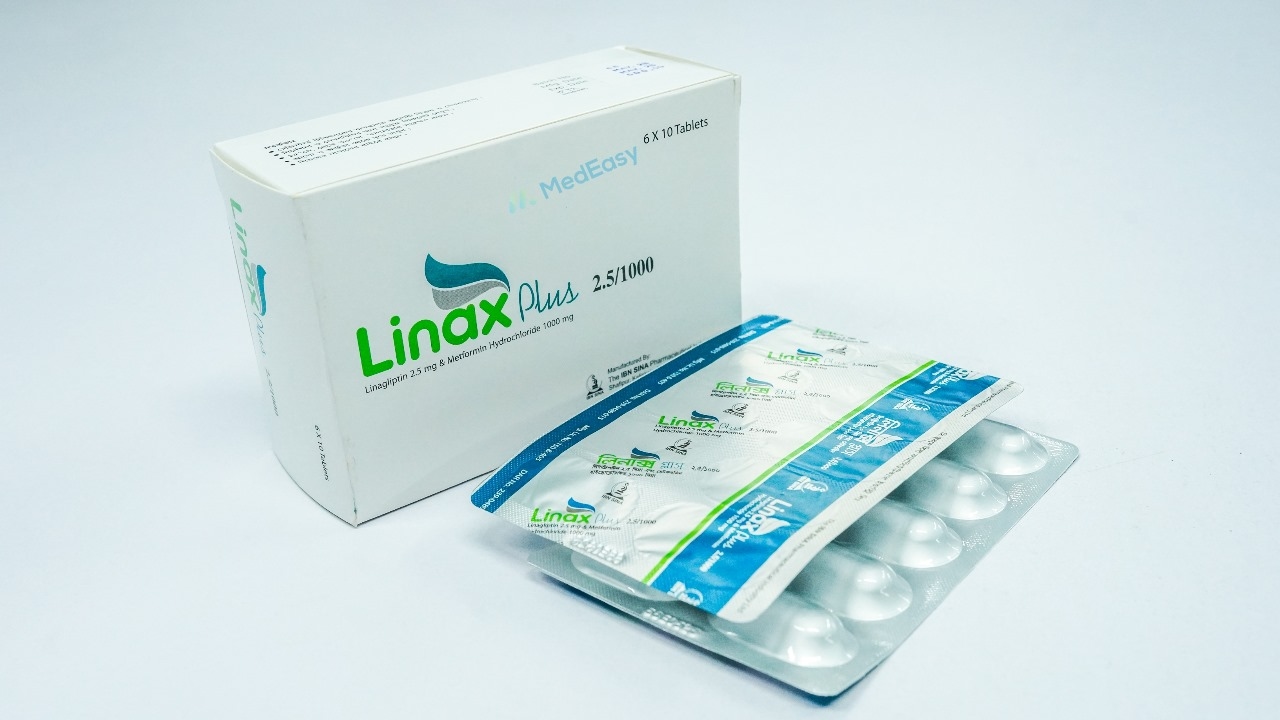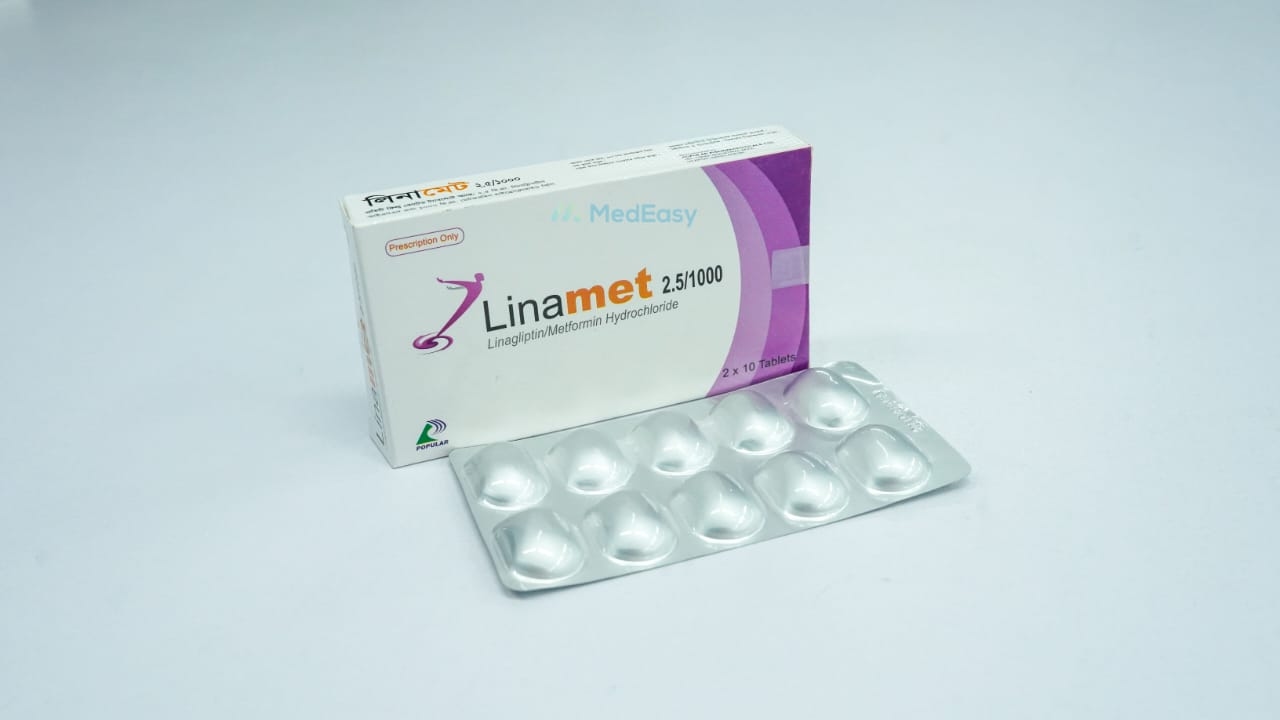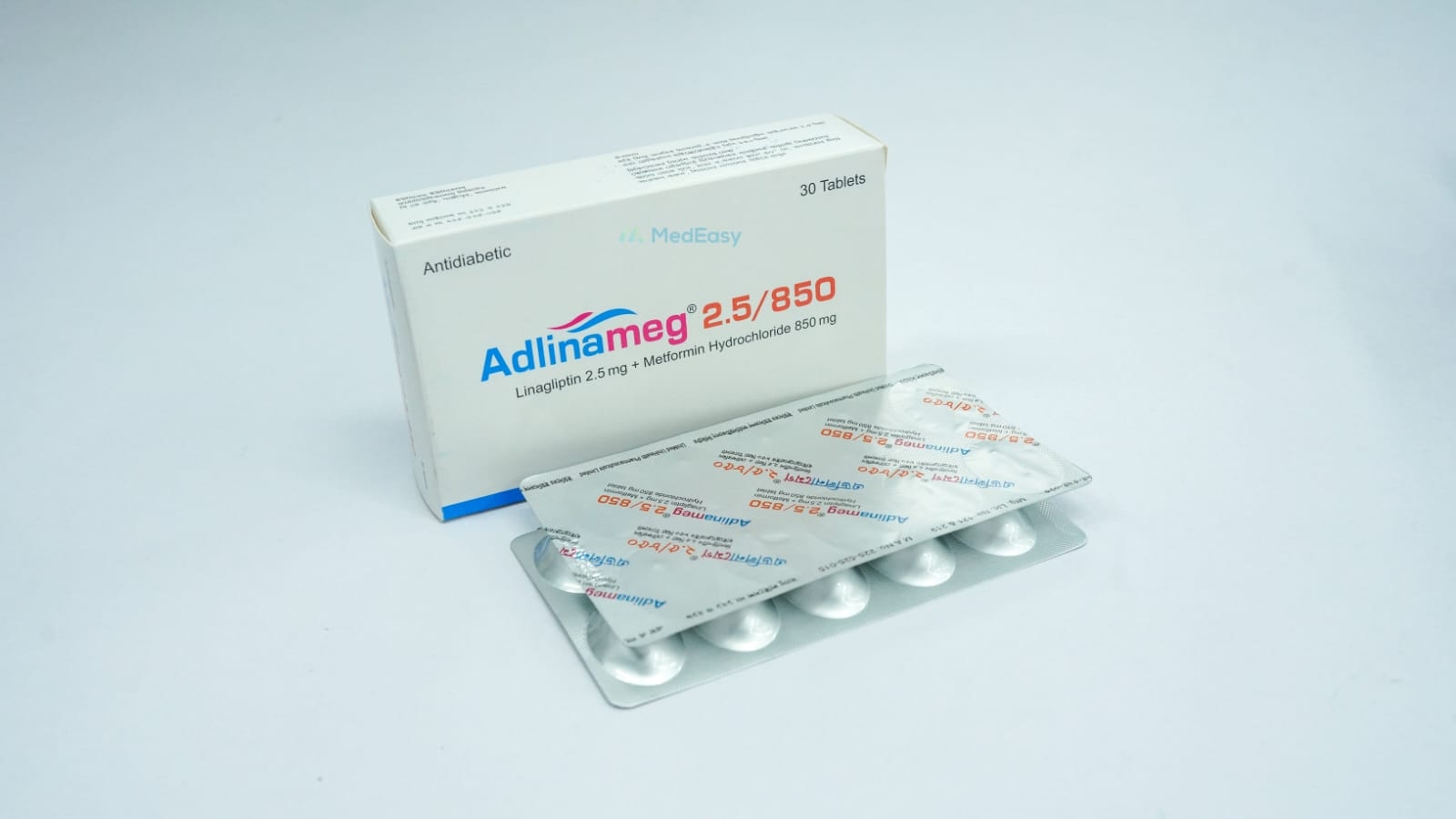
Generic medicine

Linagliptin + Metformin Hydrochloride: Brands, Price & Uses in Bangladesh

Linagliptin + Metformin Hydrochloride is indicated as an adjunct to diet and exercise to improve glycemic control in adults with type 2 diabetes mellitus and more.

Forms:TabletTablet (Extended Release)

About Linagliptin + Metformin Hydrochloride

Indications of Linagliptin + Metformin Hydrochloride

Linagliptin + Metformin Hydrochloride is indicated as an adjunct to diet and exercise to improve glycemic control in adults with type 2 diabetes mellitus, in the following clinical situations:

  • Established/FDA-approved use: Patients with type 2 diabetes mellitus who are not adequately controlled on metformin alone, or on linagliptin alone, or who are already being treated with the combination of linagliptin and metformin as separate tablets and are switching to the fixed-dose combination for convenience.
  • Add-on/combination therapy: Linagliptin + Metformin Hydrochloride is not intended as a first-line, single-agent therapy; it requires background lifestyle measures (diet and exercise) and, in many patients, is used alongside or after other antidiabetic agents (e.g., sulfonylureas, insulin) have been considered.

Linagliptin + Metformin Hydrochloride is not indicated for the treatment of type 1 diabetes mellitus or diabetic ketoacidosis, and it is not recommended for initial therapy in patients whose diabetes can reasonably be controlled by diet and exercise alone.

Dosage & Administration of Linagliptin + Metformin Hydrochloride

Linagliptin + Metformin Hydrochloride should be taken with meals to reduce gastrointestinal side effects associated with the metformin component, and the dose should be individualized based on the patient's current regimen, effectiveness, and tolerability.

Adults - Immediate-release tablets

  • Patients not currently on metformin or linagliptin: usual starting dose is linagliptin 2.5 mg/metformin 500 mg twice daily, with gradual titration based on glycemic response and tolerability.
  • Patients already on metformin: the linagliptin dose (2.5 mg twice daily, i.e., 5 mg total daily) is added, matching the existing metformin dose.
  • Patients already on linagliptin 5 mg once daily: switch to Linagliptin + Metformin Hydrochloride 2.5 mg twice daily (equivalent total daily linagliptin dose) plus an appropriate metformin starting dose.
  • Maximum recommended dose: linagliptin 2.5 mg/metformin 1000 mg twice daily (total daily dose linagliptin 5 mg/metformin 2000 mg).

Adults - Extended-release tablets

  • Taken once daily with the evening meal; must be swallowed whole and not split, crushed, or chewed.
  • Maximum recommended dose: linagliptin 5 mg/metformin 2000 mg once daily.

Renal impairment

Renal function (eGFR)Recommendation
eGFR 45-59 mL/min/1.73 m²May continue; monitor renal function more frequently.
eGFR 30-45 mL/min/1.73 m²Initiation not recommended; reassess overall benefit-risk if already on treatment and eGFR falls in this range.
eGFR less than 30 mL/min/1.73 m²Contraindicated (see Contraindications).

Hepatic impairment

Avoid use in patients with hepatic impairment, as it may increase the risk of lactic acidosis with the metformin component; no dose adjustment data are established for the linagliptin component in hepatic impairment.

Before iodinated contrast imaging or surgery

Temporarily discontinue at the time of or before an iodinated contrast imaging procedure in patients with reduced renal function, and hold before scheduled surgery with restricted food/fluid intake; restart only after renal function has been re-evaluated and found stable.

Side Effects of Linagliptin + Metformin Hydrochloride

The most commonly reported side effects of Linagliptin + Metformin Hydrochloride include:

  • Nasopharyngitis (common cold-like symptoms)
  • Diarrhea and other gastrointestinal effects (nausea, vomiting, abdominal discomfort, decreased appetite), particularly with the metformin component, especially at treatment initiation
  • Headache
  • Hypoglycemia (mainly when used with insulin or a sulfonylurea)

Less common but serious side effects include:

  • Acute pancreatitis (discontinue promptly if suspected)
  • Severe and disabling joint pain (arthralgia)
  • Bullous pemphigoid (skin blistering)
  • Lactic acidosis (rare but potentially fatal - see Precautions and Warnings)
  • Hypersensitivity reactions, including anaphylaxis and angioedema
  • Vitamin B12 deficiency with long-term use

Contraindications of Linagliptin + Metformin Hydrochloride

Linagliptin + Metformin Hydrochloride is contraindicated in:

  • Severe renal impairment (eGFR less than 30 mL/min/1.73 m²), due to increased risk of metformin-associated lactic acidosis.
  • Acute or chronic metabolic acidosis, including diabetic ketoacidosis (with or without coma).
  • Known hypersensitivity to linagliptin, metformin hydrochloride, or any component of the formulation (reactions such as anaphylaxis, angioedema, or exfoliative skin conditions have been reported).

Frequently Asked Questions about Linagliptin + Metformin Hydrochloride

What is Linagliptin + Metformin Hydrochloride used for?

Linagliptin + Metformin Hydrochloride is a combination oral medicine used, together with diet and exercise, to improve blood glucose control in adults with type 2 diabetes mellitus, particularly when a single antidiabetic agent is not enough on its own.

How should I take Linagliptin + Metformin Hydrochloride?

Linagliptin + Metformin Hydrochloride should be taken with meals as directed by your physician - immediate-release tablets are usually taken twice daily, while extended-release tablets are taken once daily, generally with the evening meal, and must be swallowed whole without crushing or chewing.

Who should not take Linagliptin + Metformin Hydrochloride?

Linagliptin + Metformin Hydrochloride should not be used by people with severe kidney impairment (eGFR below 30 mL/min/1.73 m²), acute or chronic metabolic acidosis including diabetic ketoacidosis, or a known hypersensitivity to linagliptin, metformin hydrochloride, or any ingredient of the product.

Can Linagliptin + Metformin Hydrochloride cause low blood sugar (hypoglycemia)?

On its own, Linagliptin + Metformin Hydrochloride has a low risk of causing hypoglycemia, but the risk increases when it is taken together with insulin or a sulfonylurea medicine. Your doctor may need to adjust those other medicines' doses.

Is Linagliptin + Metformin Hydrochloride safe during pregnancy or breastfeeding?

Linagliptin + Metformin Hydrochloride should be used during pregnancy only if clearly needed, since insulin is generally preferred for controlling blood sugar in pregnancy, and the potential benefit must be weighed against potential risk to the baby. During breastfeeding, a decision should be made with your physician about whether to continue Linagliptin + Metformin Hydrochloride or breastfeeding, since small amounts of the metformin component can pass into breast milk.

What are the serious warning signs I should watch for while taking Linagliptin + Metformin Hydrochloride?

Seek urgent medical care if you develop symptoms of lactic acidosis (unusual tiredness, muscle pain, difficulty breathing, stomach discomfort, or feeling unusually cold), signs of acute pancreatitis (severe, persistent abdominal pain, sometimes with vomiting), or skin blistering, while taking Linagliptin + Metformin Hydrochloride.

Disclaimer

The information provided is accurate to the best of our knowledge, but it does not replace professional medical advice. We cannot guarantee its completeness or accuracy, and the absence of specific information about a drug should not be taken as an endorsement. We are not responsible for any consequences arising from this information, so please consult a healthcare professional for any concerns or questions.
DoctorBlogArticles