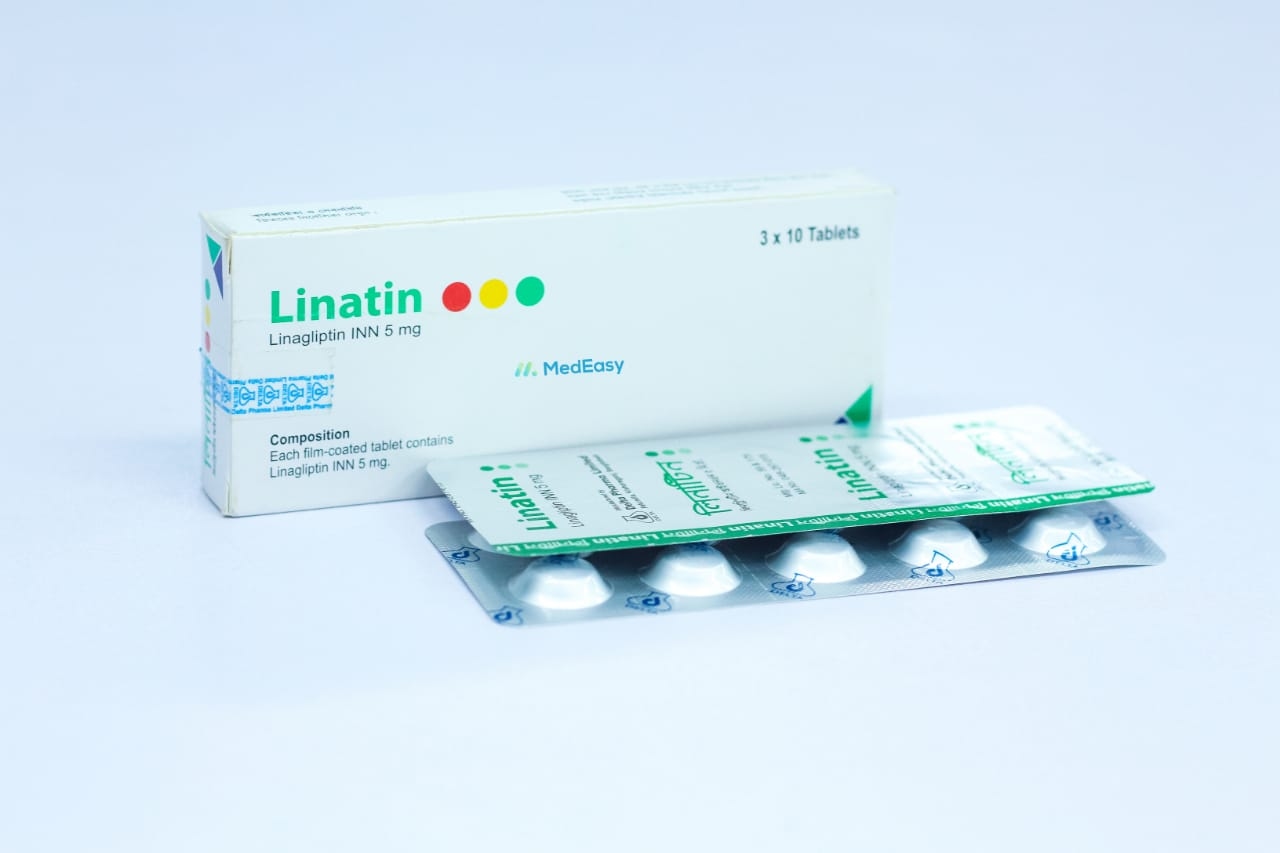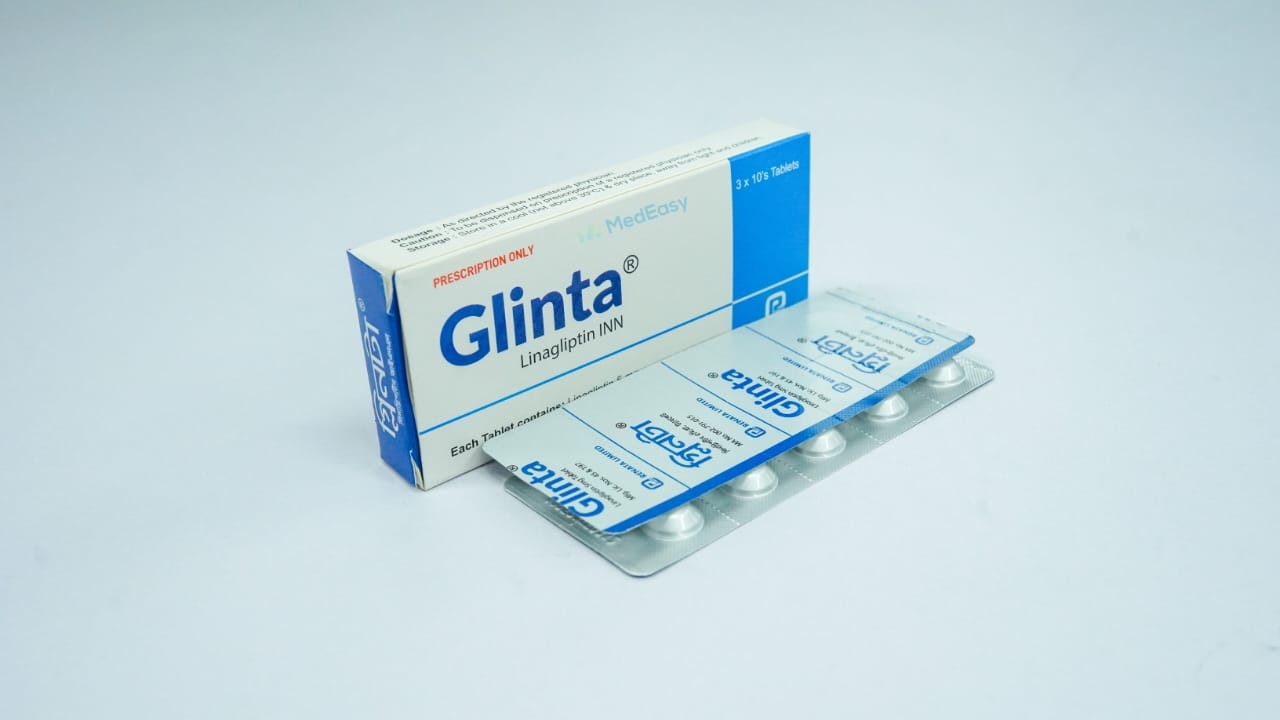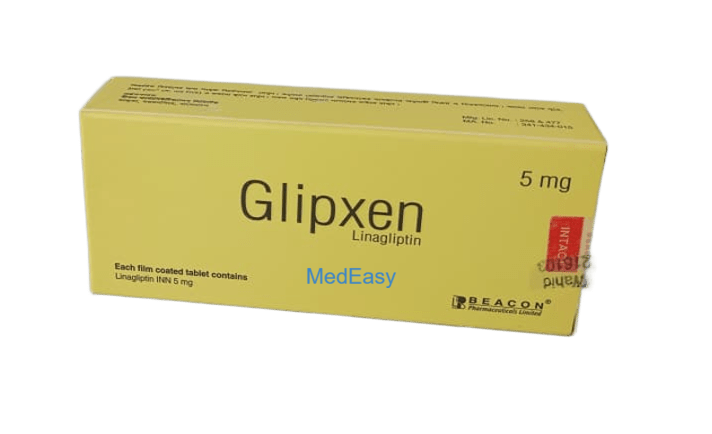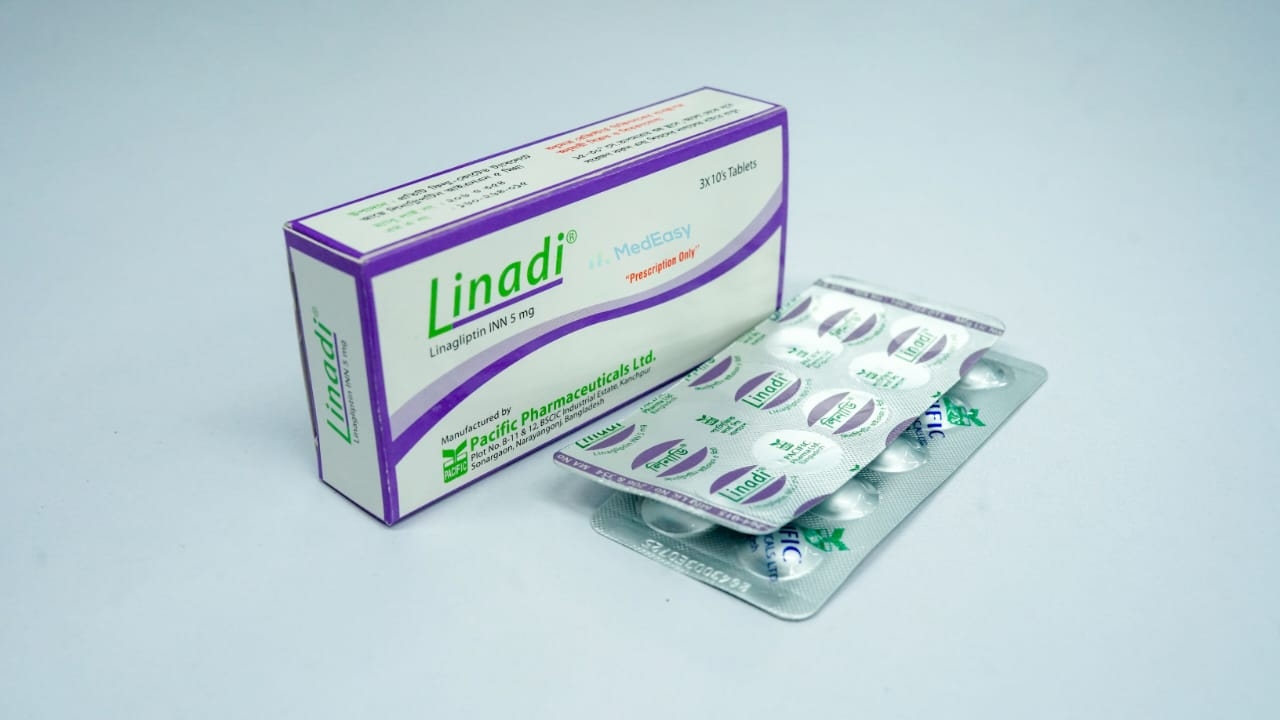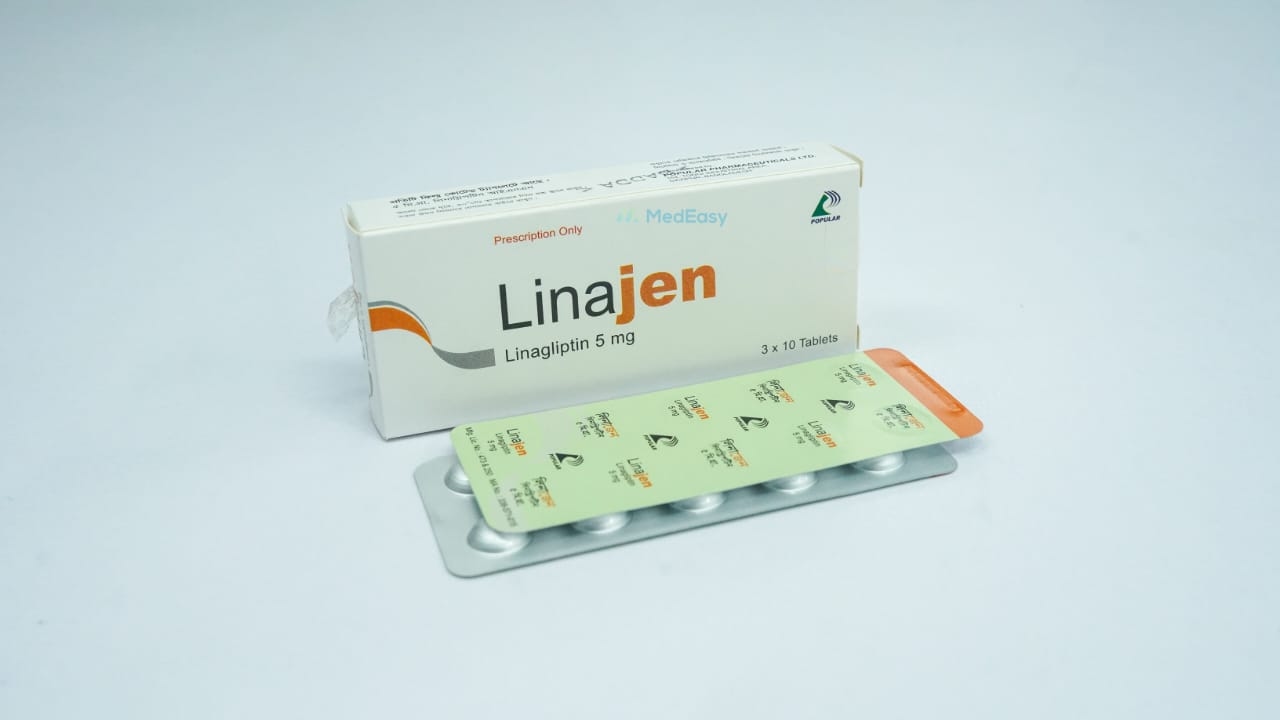
Generic medicine

Linagliptin: Brands, Price & Uses in Bangladesh

Linagliptin is a dipeptidyl peptidase-4 (DPP-4) inhibitor indicated as an adjunct to diet and exercise to improve glycemic control in adults with type 2 diabetes mellitus.

Forms:Tablet

About Linagliptin

Indications of Linagliptin

Linagliptin is a dipeptidyl peptidase-4 (DPP-4) inhibitor indicated as an adjunct to diet and exercise to improve glycemic control in adults with type 2 diabetes mellitus. It is FDA-approved and guideline-supported for the following uses:

  • Monotherapy: As initial therapy when metformin is not tolerated or is contraindicated (established use).
  • Combination therapy: Added to metformin, a sulfonylurea, metformin plus a sulfonylurea, empagliflozin, or insulin when diet, exercise, and existing therapy do not provide adequate glycemic control (established, guideline-supported use, typically requiring combination with another antidiabetic agent for optimal effect).

Linagliptin is not indicated for the treatment of type 1 diabetes mellitus or diabetic ketoacidosis, as it would not be effective in these settings. It has not been studied for use in combination with insulin plus a sulfonylurea outside labeled combinations, and such off-label combinations should only be used under close physician supervision.

Dosage & Administration of Linagliptin

Adult Dose

IndicationRecommended Dose
Monotherapy or combination therapy (with metformin, sulfonylurea, metformin + sulfonylurea, empagliflozin, or insulin)Linagliptin 5 mg orally once daily, with or without food

Renal Impairment

No dose adjustment of Linagliptin is required in patients with any degree of renal impairment, including mild, moderate, severe, or end-stage renal disease — a distinguishing feature compared with other DPP-4 inhibitors, due to its predominantly non-renal (enterohepatic) route of elimination.

Hepatic Impairment

No dose adjustment is required in patients with mild, moderate, or severe hepatic impairment, based on pharmacokinetic studies, though clinical experience in severe hepatic impairment is limited.

Pediatric Dose

Safety and effectiveness of Linagliptin have not been established in patients under 18 years of age (see Pediatric Uses).

Elderly

No dose adjustment is required based on age alone, though elderly patients may be at higher risk of renal impairment and should be monitored accordingly (see Use in Special Populations).

Side Effects of Linagliptin

Common and important adverse effects reported with Linagliptin include:

  • Common: Nasopharyngitis, upper respiratory tract infection, cough, headache, diarrhea.
  • Hypoglycemia: More common when Linagliptin is combined with a sulfonylurea or insulin (see Interactions).
  • Arthralgia (joint pain): Can occasionally be severe and disabling; onset may range from one day to years after starting therapy, and symptoms typically resolve after discontinuation (see Precautions and Warnings).
  • Pancreatitis: Rare but serious, including fatal cases (see Precautions and Warnings).
  • Bullous pemphigoid: Rare, serious skin reaction requiring drug discontinuation (see Precautions and Warnings).
  • Hypersensitivity reactions: Rare cases of anaphylaxis, angioedema, and urticaria.

Contraindications of Linagliptin

Linagliptin is contraindicated in:

  • Patients with a known history of hypersensitivity to Linagliptin or to any component of the formulation.
  • Patients who have experienced a serious hypersensitivity reaction (such as anaphylaxis, angioedema, or severe exfoliative skin conditions) to Linagliptin or to any other DPP-4 inhibitor.

Frequently Asked Questions about Linagliptin

What is Linagliptin used for?

Linagliptin is used, along with diet and exercise, to improve blood sugar control in adults with type 2 diabetes mellitus. It may be used alone or together with other diabetes medicines such as metformin, a sulfonylurea, empagliflozin, or insulin.

How should I take Linagliptin?

Linagliptin is usually taken as one 5 mg tablet by mouth, once daily, with or without food, at around the same time each day. Swallow the tablet whole with water and do not stop taking it without talking to your doctor.

Can Linagliptin be used if I have kidney problems?

Yes. Unlike some other similar diabetes medicines, Linagliptin is mainly cleared from the body through the liver and gut rather than the kidneys, so no dose adjustment is usually needed even in people with significant kidney impairment. Your doctor will still confirm this is appropriate for you.

What are the serious side effects I should watch for with Linagliptin?

Seek medical attention promptly if you develop severe stomach pain (possibly radiating to your back, with or without vomiting), which could indicate pancreatitis; severe or disabling joint pain; or blistering or skin erosions, which could indicate a rare skin reaction called bullous pemphigoid. Also watch for signs of an allergic reaction such as swelling of the face/lips/throat or difficulty breathing while taking Linagliptin.

Can Linagliptin cause low blood sugar (hypoglycemia)?

Used alone, Linagliptin has a low risk of causing hypoglycemia. However, the risk increases when it is combined with a sulfonylurea or insulin; your doctor may lower the dose of those medicines to reduce this risk.

Is Linagliptin safe during pregnancy or breastfeeding?

Data on Linagliptin use during pregnancy are limited, so it should be used in pregnancy only if clearly needed, and only under a physician's guidance; insulin is generally preferred for blood sugar control during pregnancy. It is not known if Linagliptin passes into human breast milk, so breastfeeding mothers should consult their physician before use.

Disclaimer

The information provided is accurate to the best of our knowledge, but it does not replace professional medical advice. We cannot guarantee its completeness or accuracy, and the absence of specific information about a drug should not be taken as an endorsement. We are not responsible for any consequences arising from this information, so please consult a healthcare professional for any concerns or questions.
DoctorBlogArticles