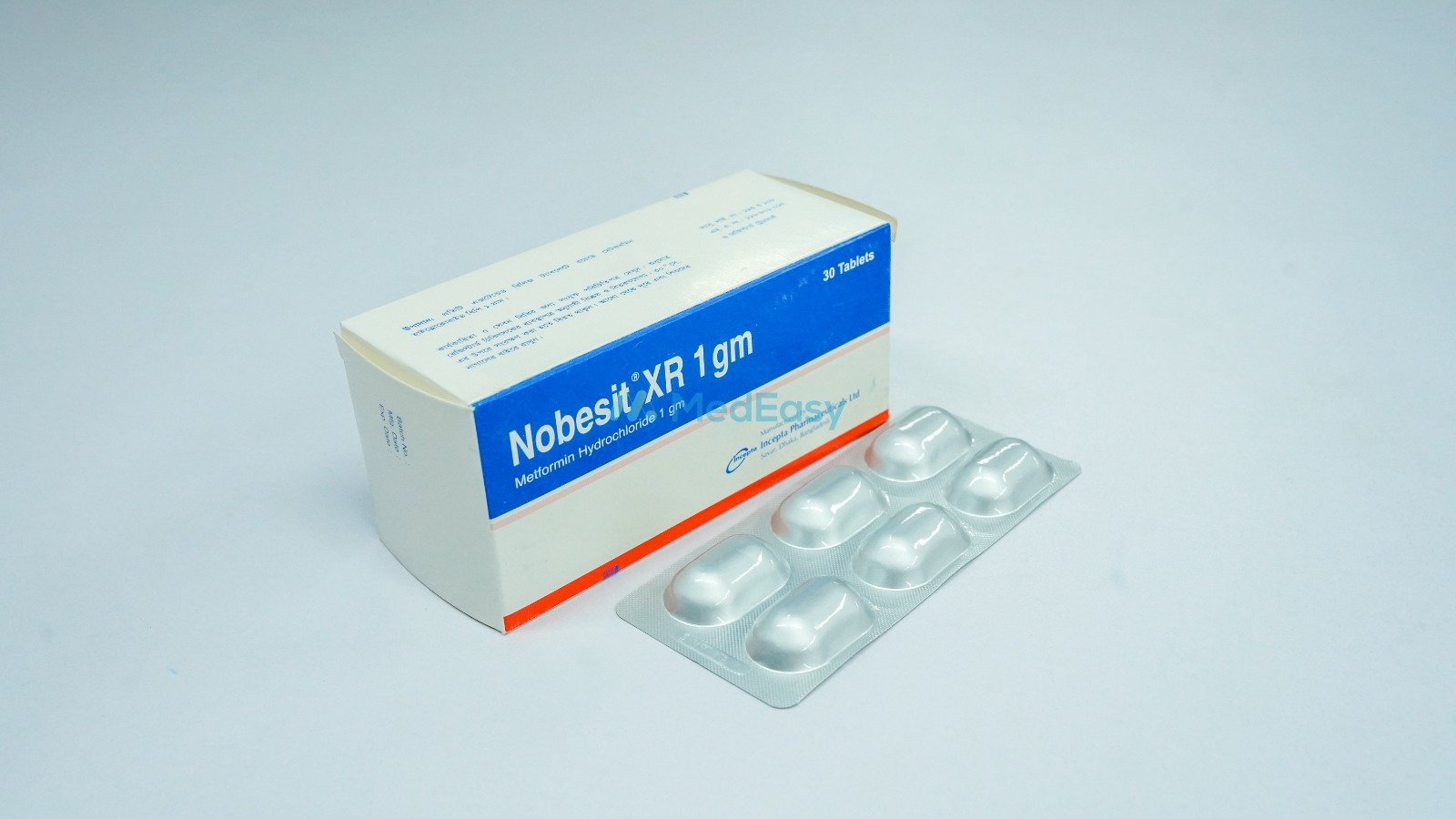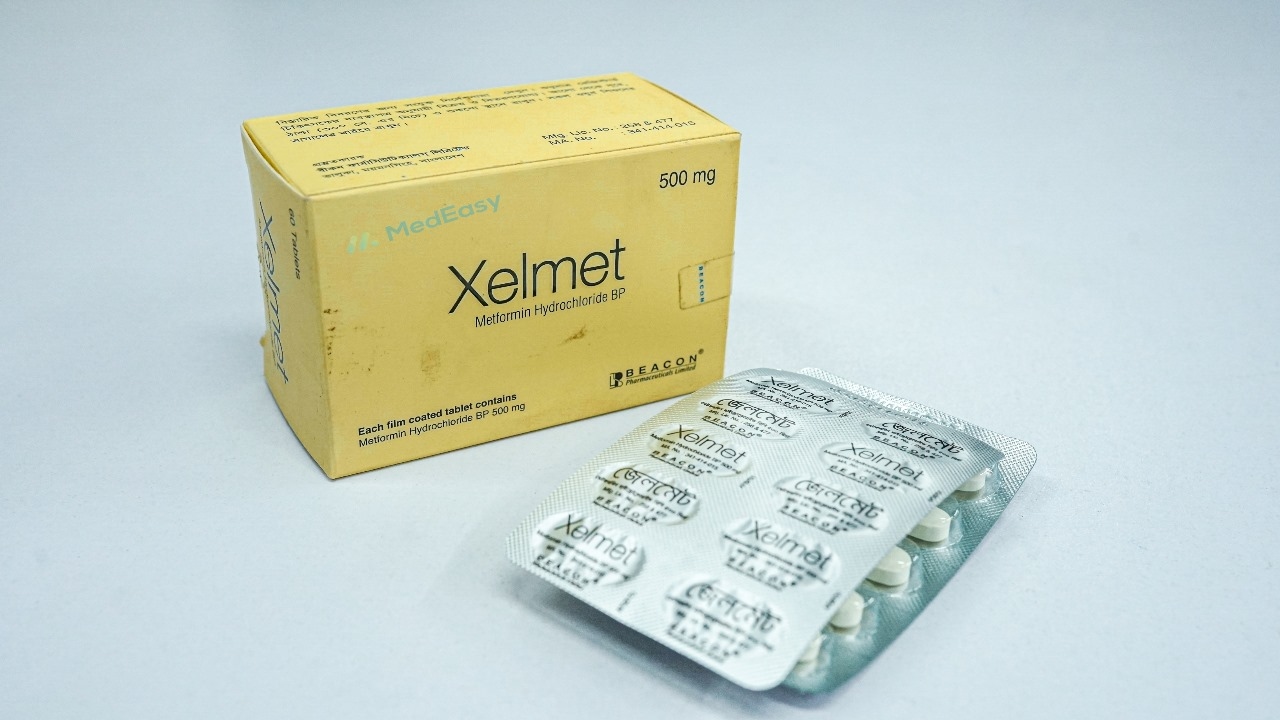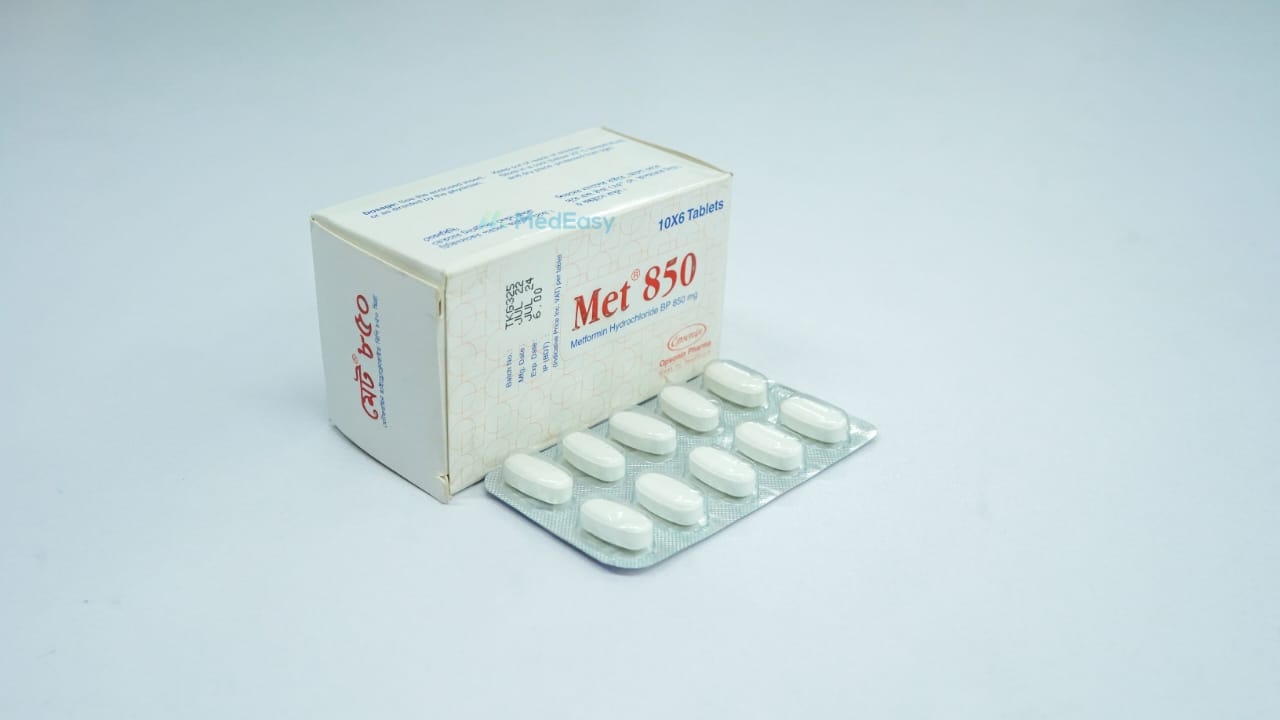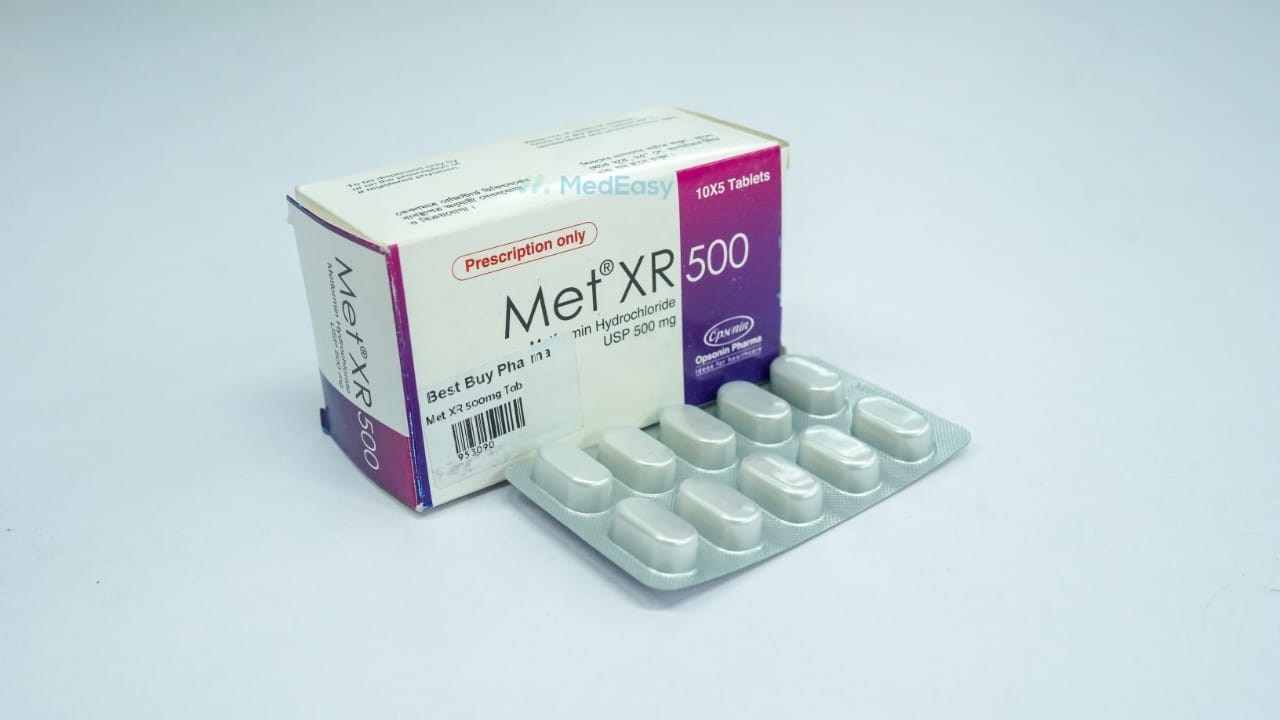
Generic medicine

Metformin Hydrochloride: Brands, Price & Uses in Bangladesh

Metformin Hydrochloride is indicated as an adjunct to diet and exercise for the management of type 2 diabetes mellitus.

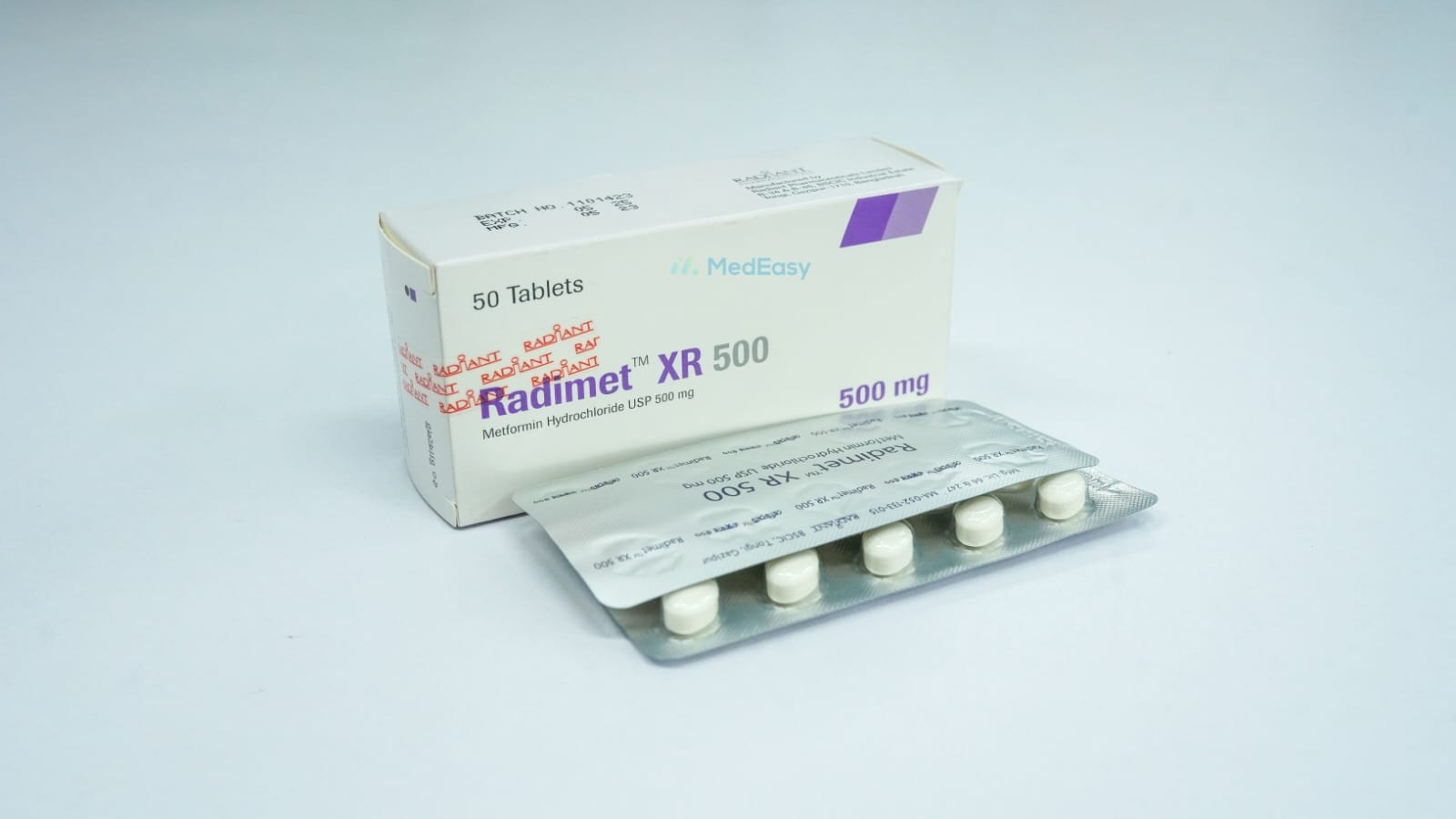
Forms:Tablet

About Metformin Hydrochloride

Indications of Metformin Hydrochloride

Metformin Hydrochloride is indicated as an adjunct to diet and exercise for the management of type 2 diabetes mellitus. Evidence classification by strength of use:

Established / FDA-approved use

  • Type 2 diabetes mellitus (first-line therapy): Metformin Hydrochloride is recommended by major diabetes guidelines (e.g., ADA) as the preferred initial pharmacologic agent, used alone or in combination with other antidiabetic agents (such as sulfonylureas, DPP-4 inhibitors, SGLT2 inhibitors, or insulin) when diet and exercise alone do not achieve adequate glycemic control.

Guideline-supported / commonly used adjunct or off-label uses

  • Gestational diabetes mellitus: used under specialist supervision as an alternative or adjunct to insulin in selected patients, per some clinical protocols; this is not a universally FDA-approved indication and insulin remains preferred by many guidelines.
  • Polycystic ovary syndrome (PCOS): commonly used off-label to improve insulin resistance and ovulatory function; not an FDA-approved indication.
  • Prediabetes: may be considered off-label in select high-risk individuals to delay progression to type 2 diabetes, per some guideline recommendations, but is not FDA-approved for this use.

Metformin Hydrochloride does not by itself cause hypoglycemia and is not indicated for type 1 diabetes mellitus or diabetic ketoacidosis.

Dosage & Administration of Metformin Hydrochloride

Type 2 Diabetes Mellitus - Adult Dose

FormulationStarting DoseTitrationMaximum Dose
Immediate-release500 mg once or twice daily, or 850 mg once daily, with mealsIncrease by 500 mg weekly or 850 mg every 2 weeks, based on glycemic response and tolerability2550 mg/day in divided doses (typically 2-3 times daily)
Extended-release500-1000 mg once daily with the evening mealIncrease by 500 mg weekly2000-2500 mg/day depending on product, once daily

Pediatric Dose (10 years and older)

Immediate-release: 500 mg twice daily with meals, titrated in increments of 500 mg weekly to a maximum of 2000 mg/day in divided doses. Extended-release formulations are generally not established for pediatric use below 18 years in many labels; refer to the specific product label.

Renal Impairment

Assess renal function (eGFR) before starting and at least annually thereafter:

  • eGFR ≥ 45 mL/min/1.73 m²: no dose adjustment required.
  • eGFR 30-45 mL/min/1.73 m²: initiation is not generally recommended; if already on Metformin Hydrochloride and eGFR falls into this range, benefit-risk should be reassessed and dose reduced (e.g., to half the maximum dose), with more frequent monitoring.
  • eGFR < 30 mL/min/1.73 m²: Metformin Hydrochloride is contraindicated (see Contraindications).

Hepatic Impairment

Avoid use in patients with clinically evident hepatic impairment, as this increases the risk of lactic acidosis (see Precautions and Warnings).

Administration

Take Metformin Hydrochloride with meals/food to reduce gastrointestinal side effects. Extended-release tablets must be swallowed whole and not crushed, split, or chewed. Metformin Hydrochloride should be temporarily discontinued before or at the time of iodinated contrast imaging procedures and withheld for 48 hours afterward, restarting only after renal function has been confirmed stable (see Precautions and Warnings).

Side Effects of Metformin Hydrochloride

Side effects of Metformin Hydrochloride by frequency:

Very common / common

  • Gastrointestinal effects: diarrhea, nausea, vomiting, flatulence, abdominal discomfort, and metallic taste - most common during initiation or dose escalation and usually transient; taking with food and gradual titration reduce these effects.

Less common

  • Decreased vitamin B12 absorption/levels with long-term use (see Precautions and Warnings).
  • Headache, asthenia.

Rare but serious

  • Lactic acidosis - rare but potentially life-threatening (see Precautions and Warnings for full detail; boxed warning).
  • Hypersensitivity reactions.

Contraindications of Metformin Hydrochloride

Metformin Hydrochloride is contraindicated in the following situations (true absolute contraindications only):

  • Known hypersensitivity to Metformin Hydrochloride or any component of the formulation.
  • Severe renal impairment (eGFR less than 30 mL/min/1.73 m²).
  • Acute or chronic metabolic acidosis, including diabetic ketoacidosis, with or without coma.

Frequently Asked Questions about Metformin Hydrochloride

What is Metformin Hydrochloride used for?

Metformin Hydrochloride is used to manage type 2 diabetes mellitus by lowering blood glucose levels, as an adjunct to diet and exercise. It is often the first medicine prescribed for type 2 diabetes and may be used alone or together with other diabetes medicines or insulin.

Can Metformin Hydrochloride cause low blood sugar (hypoglycemia)?

Metformin Hydrochloride does not usually cause hypoglycemia when used alone, because it does not stimulate insulin release. However, the risk of hypoglycemia increases if it is combined with insulin or sulfonylurea medicines, so blood glucose should be monitored closely in that situation.

What is the most serious risk associated with Metformin Hydrochloride?

The most serious, though rare, risk with Metformin Hydrochloride is lactic acidosis, a build-up of lactic acid in the blood that can be life-threatening. Risk is higher in people with kidney or liver problems, dehydration, serious infection, heavy alcohol use, or those undergoing procedures involving injectable iodine-based contrast dye. Seek emergency medical care immediately if you notice unusual tiredness, muscle pain, difficulty breathing, or stomach discomfort while taking this medicine.

Do I need to stop Metformin Hydrochloride before a scan with contrast dye or before surgery?

Yes. Metformin Hydrochloride is usually stopped at or before receiving iodinated (X-ray) contrast dye and for major surgery, and is only restarted after your doctor confirms your kidney function is stable, typically after 48 hours. Always inform your doctor and radiologist that you are taking Metformin Hydrochloride before any imaging procedure or surgery.

Can Metformin Hydrochloride be used during pregnancy or while breastfeeding?

Metformin Hydrochloride is increasingly used in pregnancy, including for gestational diabetes, under specialist supervision, but should be used only if the potential benefit justifies the potential risk, and only as directed by a physician. Small amounts pass into breast milk; use while breastfeeding should also be discussed with and supervised by a physician.

How should I take Metformin Hydrochloride and what side effects might I notice?

Metformin Hydrochloride should be taken with meals to reduce stomach upset, and extended-release tablets should be swallowed whole, not crushed or chewed. Common side effects, especially when starting treatment, include nausea, diarrhea, gas, and a metallic taste - these usually improve over time. Long-term use can lower vitamin B12 levels, so your doctor may check this periodically.

Disclaimer

The information provided is accurate to the best of our knowledge, but it does not replace professional medical advice. We cannot guarantee its completeness or accuracy, and the absence of specific information about a drug should not be taken as an endorsement. We are not responsible for any consequences arising from this information, so please consult a healthcare professional for any concerns or questions.

DoctorBlogArticles