
Generic medicine

Methoxsalen: Brands, Price & Uses in Bangladesh

Methoxsalen is a psoralen (furocoumarin) photosensitizing agent used together with controlled ultraviolet A (UVA) light exposure — a combination known as PUVA (Psoralen + UVA) therapy — under…

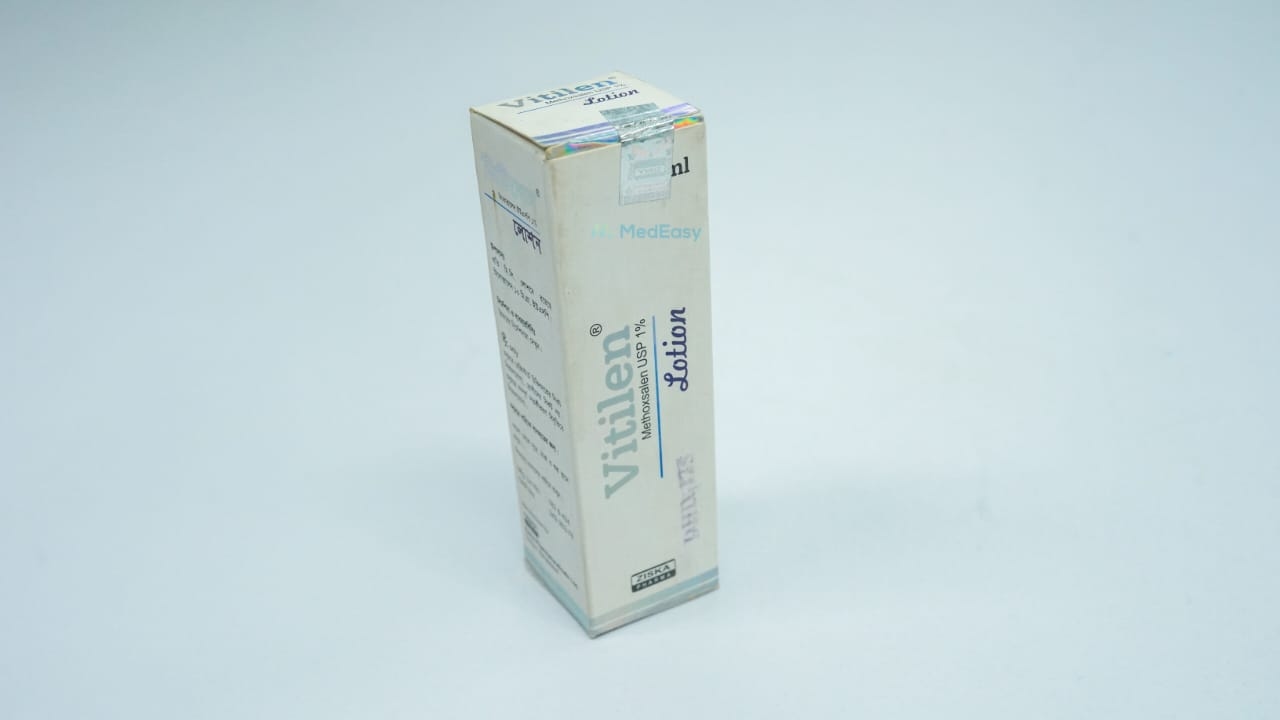
Forms:CapsuleLotion

About Methoxsalen

Indications of Methoxsalen

Methoxsalen is a psoralen (furocoumarin) photosensitizing agent used together with controlled ultraviolet A (UVA) light exposure — a combination known as PUVA (Psoralen + UVA) therapy — under specialist dermatologic supervision. It is not effective and is not intended for use without concurrent UVA phototherapy.

Established / FDA-approved uses

  • Severe, disabling psoriasis (including plaque-type psoriasis) that has not adequately responded to other forms of therapy, using oral or topical Methoxsalen combined with UVA (oral or topical PUVA).
  • Repigmentation of idiopathic vitiligo, using oral Methoxsalen combined with UVA exposure.

Guideline-supported / specialist uses

  • Extracorporeal photopheresis using a sterile Methoxsalen solution, for palliative treatment of skin manifestations of cutaneous T-cell lymphoma (CTCL) that has not responded to other treatments, performed only in specialized centers with dedicated photopheresis equipment.

Off-label / adjunct uses (specialist discretion)

  • Other UVA-responsive photodermatoses (e.g., select cases of mycosis fungoides, atopic dermatitis, or cutaneous graft-versus-host disease) in select patients under dermatology/photopheresis specialist care — evidence is limited and use is individualized.

Methoxsalen therapy always requires combination with a precisely timed and dosed UVA light source; it must never be used as monotherapy or self-administered without medical supervision.

Dosage & Administration of Methoxsalen

Dosing and UVA exposure schedules for Methoxsalen are individualized by body weight, skin phototype, and treatment response, and must be determined and adjusted only by a physician experienced in PUVA therapy.

IndicationTypical Adult DosingNotes
Psoriasis (oral PUVA)Oral Methoxsalen approximately 0.4–0.6 mg/kg body weight, taken 1.5–2 hours before a measured UVA exposure, 2–3 times weekly (non-consecutive days)UVA dose is individualized and gradually increased based on skin response and phototype
Vitiligo (oral PUVA)Oral Methoxsalen approximately 0.4 mg/kg body weight, 1.5–2 hours before UVA exposure, 2–3 times weeklyRepigmentation may take several months of regular treatment
Localized lesions (topical PUVA)Topical Methoxsalen lotion applied to affected skin only, followed by a timed UVA exposure as directedOnly for circumscribed lesions; strict timing prevents excessive burns
Cutaneous T-cell lymphoma (extracorporeal photopheresis)Sterile Methoxsalen solution added to the photopheresis instrument per device protocol; treatments typically on 2 consecutive days every 2–4 weeksPerformed only in specialized photopheresis centers

Oral Methoxsalen should be taken with food or milk to reduce nausea and provide more consistent absorption. Protective UVA-blocking wrap-around eyewear must be worn during and after treatment as advised. See Precautions and Warnings for photoprotection requirements.

Side Effects of Methoxsalen

Common: nausea (with oral dosing), pruritus (itching), erythema (redness)/mild sunburn-like reactions, headache, dizziness, nervousness, and insomnia.

Less common but important: phototoxic burns/blistering from excessive UVA exposure, skin hyperpigmentation, photo-onycholysis (nail lifting), and depression or mood changes.

Serious, long-term risks with cumulative PUVA use: increased risk of skin cancer (particularly squamous cell carcinoma, and possibly melanoma) and cataracts — see Precautions and Warnings.

Contraindications of Methoxsalen

Methoxsalen (with UVA/PUVA therapy) is contraindicated in:

  • Known hypersensitivity to Methoxsalen, other psoralens, or any component of the formulation.
  • Diseases associated with photosensitivity, including lupus erythematosus, porphyria, and xeroderma pigmentosum.
  • Aphakia (absence of the natural lens of the eye), due to markedly increased risk of retinal damage from UVA exposure without the lens's natural UV filtering.
  • Invasive melanoma or a history of melanoma, because photosensitizing PUVA therapy carries an increased long-term skin cancer risk requiring careful risk-benefit assessment that generally precludes its use in these patients.

Frequently Asked Questions about Methoxsalen

What is Methoxsalen used for?

Methoxsalen is a photosensitizing medicine used together with UVA light (PUVA therapy) to treat severe psoriasis and vitiligo, and, as a sterile solution in extracorporeal photopheresis, to treat skin symptoms of cutaneous T-cell lymphoma, always under specialist supervision.

Can I use Methoxsalen without UVA light treatment?

No. Methoxsalen only works as part of a carefully timed UVA light therapy session (PUVA) supervised by trained staff; it is not effective and should not be taken as a standalone medicine, nor without proper eye and skin photoprotection.

What precautions should I take after taking Methoxsalen?

After each Methoxsalen treatment, you must protect your eyes with UVA-blocking wrap-around sunglasses and shield your skin from sunlight/UVA for the period your physician specifies (commonly 24 hours), because your skin and eyes remain unusually sensitive to light during this time.

Is Methoxsalen safe during pregnancy?

Methoxsalen should be used in pregnancy only if clearly needed and the potential benefit justifies the potential risk to the fetus, since safety data in pregnant women are limited; discuss with your physician before starting or continuing treatment.

What are the serious long-term risks of Methoxsalen (PUVA) therapy?

Long-term, repeated Methoxsalen PUVA treatment carries an increased risk of skin cancer (particularly squamous cell carcinoma) and cataracts if eye protection is inadequate, which is why your dermatologist tracks your total lifetime number of treatments and monitors your skin regularly.

Who should not receive Methoxsalen?

Methoxsalen should not be used by people with photosensitivity disorders (such as lupus erythematosus, porphyria, or xeroderma pigmentosum), aphakia (no natural eye lens), invasive melanoma or a history of melanoma, or known hypersensitivity to Methoxsalen or other psoralens.

Disclaimer

The information provided is accurate to the best of our knowledge, but it does not replace professional medical advice. We cannot guarantee its completeness or accuracy, and the absence of specific information about a drug should not be taken as an endorsement. We are not responsible for any consequences arising from this information, so please consult a healthcare professional for any concerns or questions.
DoctorBlogArticles