
Generic medicine

Methyl Prednisolone: Brands, Price & Uses in Bangladesh

Methyl Prednisolone is a synthetic glucocorticoid (corticosteroid) used to reduce inflammation and suppress abnormal immune responses in a wide range of conditions.

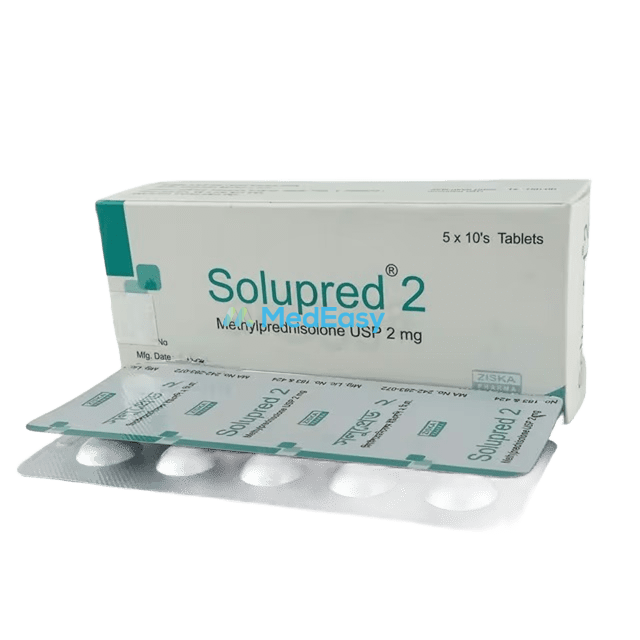
Forms:Tablet

About Methyl Prednisolone

Indications of Methyl Prednisolone

Methyl Prednisolone is a synthetic glucocorticoid (corticosteroid) used to reduce inflammation and suppress abnormal immune responses in a wide range of conditions. Its use spans several categories of evidence strength:

Established / Well-Recognized Uses

  • Endocrine disorders: Primary or secondary adrenocortical insufficiency (usually combined with a mineralocorticoid), congenital adrenal hyperplasia, non-suppurative thyroiditis, hypercalcemia associated with cancer.
  • Rheumatic disorders: As adjunctive therapy for short-term management of acute flares or exacerbations in rheumatoid arthritis (including juvenile rheumatoid arthritis), psoriatic arthritis, ankylosing spondylitis, acute gouty arthritis, and systemic lupus erythematosus.
  • Severe allergic conditions: Control of severe or incapacitating allergic conditions such as seasonal or perennial allergic rhinitis, bronchial asthma, drug hypersensitivity reactions, serum sickness, and contact dermatitis, when conventional treatment is inadequate.
  • Dermatologic diseases: Pemphigus, severe erythema multiforme (Stevens-Johnson syndrome), exfoliative dermatitis, severe psoriasis, severe seborrheic dermatitis.
  • Respiratory diseases: Symptomatic sarcoidosis, Loeffler's syndrome, berylliosis, aspiration pneumonitis, acute exacerbations of chronic obstructive pulmonary disease, and as an adjunct in severe asthma exacerbations.
  • Hematologic disorders: Acquired (autoimmune) hemolytic anemia, idiopathic thrombocytopenic purpura in adults, secondary thrombocytopenia, and selected cases of erythroblastopenia.
  • Gastrointestinal diseases: To help patients tide over a critical period of disease in ulcerative colitis and Crohn's disease.
  • Neurologic conditions: Acute exacerbations of multiple sclerosis; management of cerebral edema associated with primary or metastatic brain tumor, craniotomy, or head injury.
  • Neoplastic diseases: Palliative management of leukemias and lymphomas, as part of combination chemotherapy regimens.
  • Ophthalmic diseases: Severe acute and chronic allergic and inflammatory conditions of the eye.
  • Organ transplantation: Used in combination with other immunosuppressants to prevent and treat transplant rejection.

Off-Label Uses (commonly seen in practice)

  • Adjunct in the management of severe COVID-19 pneumonia requiring supplemental oxygen (institution-specific protocols; use should follow current clinical guidance).
  • Chemotherapy-induced nausea and vomiting prophylaxis (as part of an antiemetic combination regimen).

Because Methyl Prednisolone is used for so many different conditions, the specific dose, duration, and route (oral or injectable) must be individualized by a physician based on the diagnosis and severity of disease.

Dosage & Administration of Methyl Prednisolone

Dosage of Methyl Prednisolone is highly individualized based on the specific disease being treated, its severity, and the patient's response, rather than by fixed body-weight formulas alone. The lowest effective dose for the shortest duration necessary should be used.

IndicationTypical Adult Dosing
General anti-inflammatory/immunosuppressive dosing4-48 mg orally per day, in single or divided doses, adjusted to response
Acute multiple sclerosis exacerbation160 mg/day orally for 1 week, then 64 mg every other day for 1 month (regimens vary by protocol)
Severe acute conditions requiring IV therapy (e.g., severe asthma exacerbation, acute spinal cord injury protocols, transplant rejection)Methyl Prednisolone sodium succinate IV, dose individualized by indication and institutional protocol
Intra-articular/soft tissue injection (methylprednisolone acetate)4-80 mg per injection depending on joint size, per physician judgment

Administration

  • Oral tablets may be taken with or without food; taking with food can reduce gastrointestinal upset.
  • For long-term therapy, an alternate-day dosing schedule (entire dose every other morning) may be used to reduce HPA-axis suppression and growth-retardation risk.
  • Injectable forms are administered by a healthcare professional via IV, IM, intra-articular, or intralesional routes, depending on formulation and indication.
  • Methyl Prednisolone should never be stopped abruptly after prolonged use (generally more than 2-3 weeks); the dose must be tapered gradually under medical supervision to avoid adrenal insufficiency and disease rebound.

Side Effects of Methyl Prednisolone

Side effects of Methyl Prednisolone depend on dose and duration of use. Short courses are usually well tolerated; long-term or high-dose use carries greater risk.

Common

  • Increased appetite, weight gain, fluid retention
  • Insomnia, mood changes, nervousness
  • Indigestion, nausea
  • Elevated blood glucose
  • Acne, increased sweating

Less Common but Serious

  • Cushingoid features (moon face, central obesity, striae) with prolonged use
  • Hypertension
  • Osteoporosis and increased fracture risk with long-term use
  • Peptic ulcer disease, GI bleeding or perforation
  • Increased susceptibility to infections and masking of infection signs
  • Posterior subcapsular cataracts, glaucoma, increased intraocular pressure
  • Myopathy (muscle weakness), especially with prolonged use
  • Psychiatric disturbances including euphoria, mood swings, depression, or psychosis
  • Growth suppression in children with prolonged use
  • Adrenal insufficiency/HPA-axis suppression, particularly after abrupt discontinuation of long-term therapy

Contraindications of Methyl Prednisolone

Methyl Prednisolone is contraindicated in:

  • Patients with known hypersensitivity to methylprednisolone or any component of the formulation.
  • Systemic fungal infections.
  • Administration of live or live-attenuated vaccines in patients receiving immunosuppressive doses.

Conditions such as active untreated infection, uncontrolled diabetes, peptic ulcer disease, and osteoporosis are important precautions requiring careful risk-benefit assessment rather than absolute contraindications; see Precautions and Warnings.

Frequently Asked Questions about Methyl Prednisolone

What is Methyl Prednisolone used for?

Methyl Prednisolone is a corticosteroid used to reduce inflammation and suppress an overactive immune response in conditions such as severe allergies, asthma flares, autoimmune diseases (like rheumatoid arthritis and lupus), certain skin conditions, and to manage inflammation after organ transplantation, among other uses. Your physician will determine if it is appropriate for your specific condition.

Can I stop taking Methyl Prednisolone suddenly once I feel better?

No. If you have been taking Methyl Prednisolone for more than a couple of weeks, you should never stop it abruptly. Long-term use suppresses your body's natural adrenal (cortisol) production, and sudden discontinuation can cause adrenal insufficiency, which can be dangerous. Your physician will give you a tapering schedule to gradually reduce the dose.

Is Methyl Prednisolone safe to use during pregnancy or breastfeeding?

Methyl Prednisolone should be used during pregnancy only if the potential benefit justifies the potential risk to the fetus, and it does pass into breast milk. Always consult your physician before using Methyl Prednisolone if you are pregnant, planning pregnancy, or breastfeeding, so the risks and benefits can be weighed for your situation.

What side effects should I watch for while taking Methyl Prednisolone?

Common effects include increased appetite, weight gain, mood changes, and trouble sleeping. With longer use, watch for signs of high blood sugar (excess thirst/urination), stomach pain or black stools (possible ulcer), vision changes, unusual bruising, muscle weakness, or signs of infection such as fever, since Methyl Prednisolone can also mask normal infection symptoms. Report any concerning symptoms to your physician promptly.

Can I receive vaccines while taking Methyl Prednisolone?

Live or live-attenuated vaccines should generally be avoided while you are on immunosuppressive doses of Methyl Prednisolone, because your weakened immune response could allow the vaccine strain to cause infection. Discuss your vaccination schedule with your physician before and during treatment.

Does Methyl Prednisolone interact with other medicines?

Yes. Methyl Prednisolone can interact with NSAIDs/aspirin (increased ulcer risk), blood thinners like warfarin (unpredictable effect on bleeding risk), diabetes medications (may need dose changes), certain antifungal or antibiotic drugs, and seizure medicines like phenytoin or phenobarbital (which can reduce its effectiveness). Always tell your physician and pharmacist about all medicines and supplements you are taking.

Disclaimer

The information provided is accurate to the best of our knowledge, but it does not replace professional medical advice. We cannot guarantee its completeness or accuracy, and the absence of specific information about a drug should not be taken as an endorsement. We are not responsible for any consequences arising from this information, so please consult a healthcare professional for any concerns or questions.
DoctorBlogArticles