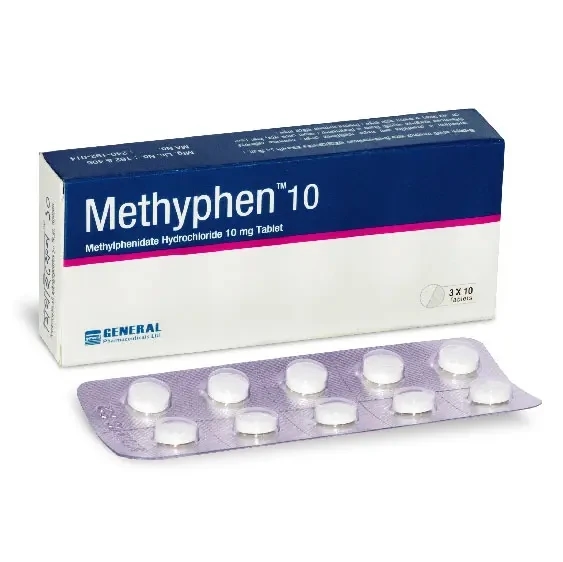
Generic medicine

Methylphenidate Hydrochloride: Brands, Price & Uses in Bangladesh

Methylphenidate Hydrochloride is a central nervous system (CNS) stimulant with the following evidence-based indications: Established / FDA-approved uses Attention-Deficit/Hyperactivity Disorder…

Forms:Tablet

About Methylphenidate Hydrochloride

Indications of Methylphenidate Hydrochloride

Methylphenidate Hydrochloride is a central nervous system (CNS) stimulant with the following evidence-based indications:

Established / FDA-approved uses

  • Attention-Deficit/Hyperactivity Disorder (ADHD): Indicated as part of a total treatment programme (including psychological, educational, and social measures) in children (typically 6 years and older), adolescents, and adults.
  • Narcolepsy: Indicated to reduce excessive daytime sleepiness and improve wakefulness in patients with narcolepsy.

Adjunct / combination-therapy use

Methylphenidate Hydrochloride for ADHD is intended to be used as one component of a comprehensive treatment plan that typically also includes behavioural, educational, and psychosocial interventions; it is not intended as sole therapy.

Off-label use (not FDA-approved)

Methylphenidate Hydrochloride is sometimes used off-label, under specialist supervision, for treatment-resistant depression as an adjunct in selected adult patients (e.g., in palliative or geriatric settings) and for cognitive fatigue in certain medical conditions. Such use should only be undertaken by, or in consultation with, an appropriate specialist.

Dosage & Administration of Methylphenidate Hydrochloride

Dosing of Methylphenidate Hydrochloride is individualised and should start at the lowest effective dose, titrated based on response and tolerability. Extended-release products are not interchangeable on a milligram-for-milligram basis with immediate-release products; consult the specific product's label.

IndicationPopulationTypical Dosing
ADHD (immediate-release)Children ≥6 yrs / AdolescentsStart 5 mg orally twice daily (before breakfast and lunch); increase in increments of 5–10 mg weekly as needed; usual maximum 60 mg/day in divided doses.
ADHD (immediate-release)AdultsStart 5 mg two to three times daily; titrate according to response; usual maximum 60 mg/day.
ADHD (extended-release)Children, adolescents, adultsOnce-daily dosing in the morning; starting and maximum doses vary by specific extended-release brand/formulation — follow that product's approved dosing schedule.
NarcolepsyAdults10 mg twice daily (e.g., before breakfast and lunch), up to a usual maximum of 60 mg/day in divided doses.

See Use in Special Populations for renal/hepatic considerations and Pediatric Uses for age-specific guidance.

Side Effects of Methylphenidate Hydrochloride

Side effects of Methylphenidate Hydrochloride are generally dose-related.

Common

  • Decreased appetite and weight loss
  • Insomnia and nervousness
  • Headache
  • Abdominal pain, nausea, dry mouth
  • Increased heart rate and mild elevation in blood pressure

Less common / serious (seek medical advice promptly)

  • Cardiovascular effects — palpitations, significant hypertension (see Precautions and Warnings)
  • Psychiatric effects — new or worsening aggression, mood lability, psychotic symptoms (see Precautions and Warnings)
  • Growth suppression with long-term paediatric use (see Precautions and Warnings)
  • Priapism (rare) and peripheral vasculopathy (rare) — require immediate medical attention

Contraindications of Methylphenidate Hydrochloride

Methylphenidate Hydrochloride is contraindicated in:

  • Known hypersensitivity to methylphenidate or any component of the formulation.
  • Marked anxiety, tension, or agitation, since the drug may aggravate these symptoms.
  • Diagnosed or suspected glaucoma.
  • Concurrent use, or use within the preceding 14 days, of a monoamine oxidase inhibitor (MAOI), due to the risk of a hypertensive crisis.

Frequently Asked Questions about Methylphenidate Hydrochloride

What is Methylphenidate Hydrochloride used for?

Methylphenidate Hydrochloride is used to treat Attention-Deficit/Hyperactivity Disorder (ADHD) as part of a comprehensive treatment plan, and to reduce excessive daytime sleepiness in narcolepsy.

Is Methylphenidate Hydrochloride a controlled substance?

Yes. Methylphenidate Hydrochloride is a Schedule II controlled substance because it has a high potential for abuse and dependence. It should be used only under close medical supervision, and patients should be assessed for a history of substance abuse before starting treatment.

Can children take Methylphenidate Hydrochloride?

Methylphenidate Hydrochloride is approved for children generally aged 6 years and older for ADHD. Safety and efficacy in children under 6 have not been established. Height and weight should be monitored during long-term use because of a possible effect on growth.

Is Methylphenidate Hydrochloride safe during pregnancy or breastfeeding?

Methylphenidate Hydrochloride should be used in pregnancy only if the potential benefit justifies the potential risk to the fetus, and only under a physician's guidance; use near term may cause neonatal complications. It passes into breast milk in small amounts, so breastfeeding while using this medicine should only be done after consulting a physician, with the infant monitored for side effects.

What are the serious side effects of Methylphenidate Hydrochloride I should watch for?

Seek prompt medical attention for signs of a fast or irregular heartbeat, chest pain, new or worsening aggression or mood changes, hallucinations, or (rarely) a painful or prolonged erection (priapism) or new numbness/colour changes in fingers or toes. These may indicate cardiovascular, psychiatric, or vascular effects associated with Methylphenidate Hydrochloride.

Can Methylphenidate Hydrochloride be taken with other medicines, like antidepressants or MAOIs?

Methylphenidate Hydrochloride must not be taken together with, or within 14 days of, a monoamine oxidase inhibitor (MAOI), as this can cause a dangerous rise in blood pressure. It may also raise blood levels of certain antidepressants and anticonvulsants and can reduce the effect of blood pressure medicines, so always tell your physician about all medicines you are taking.

Disclaimer

The information provided is accurate to the best of our knowledge, but it does not replace professional medical advice. We cannot guarantee its completeness or accuracy, and the absence of specific information about a drug should not be taken as an endorsement. We are not responsible for any consequences arising from this information, so please consult a healthcare professional for any concerns or questions.
DoctorBlogArticles