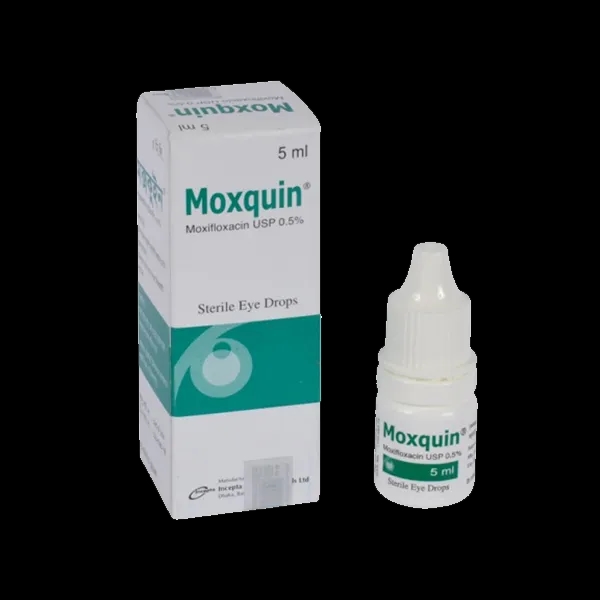
Generic medicine

Moxifloxacin Hydrochloride: Brands, Price & Uses in Bangladesh

Moxifloxacin Hydrochloride is a fourth-generation fluoroquinolone antibacterial indicated for infections caused by susceptible strains of bacteria.

Forms:SolutionTabletOphthalmic SolutionOintment

About Moxifloxacin Hydrochloride

Indications of Moxifloxacin Hydrochloride

Moxifloxacin Hydrochloride is a fourth-generation fluoroquinolone antibacterial indicated for infections caused by susceptible strains of bacteria. Because of the risk of serious, potentially irreversible adverse effects associated with fluoroquinolones, Moxifloxacin Hydrochloride should be reserved for patients who have no alternative treatment options for certain indications (acute bacterial sinusitis and acute bacterial exacerbation of chronic bronchitis).

Established/FDA-approved uses (systemic, oral/intravenous)

  • Community-acquired pneumonia, including cases caused by multi-drug-resistant strains of Streptococcus pneumoniae
  • Acute bacterial sinusitis (reserve for patients with no other treatment options)
  • Acute bacterial exacerbation of chronic bronchitis (reserve for patients with no other treatment options)
  • Uncomplicated skin and skin structure infections
  • Complicated skin and skin structure infections
  • Complicated intra-abdominal infections (including polymicrobial infections such as abscess), used in combination with an appropriate anti-anaerobic agent when needed
  • Plague (including pneumonic and septicemic plague), and post-exposure prophylaxis of plague, based on efficacy studies in animals combined with limited human data, as human efficacy studies are not feasible

Ophthalmic formulation

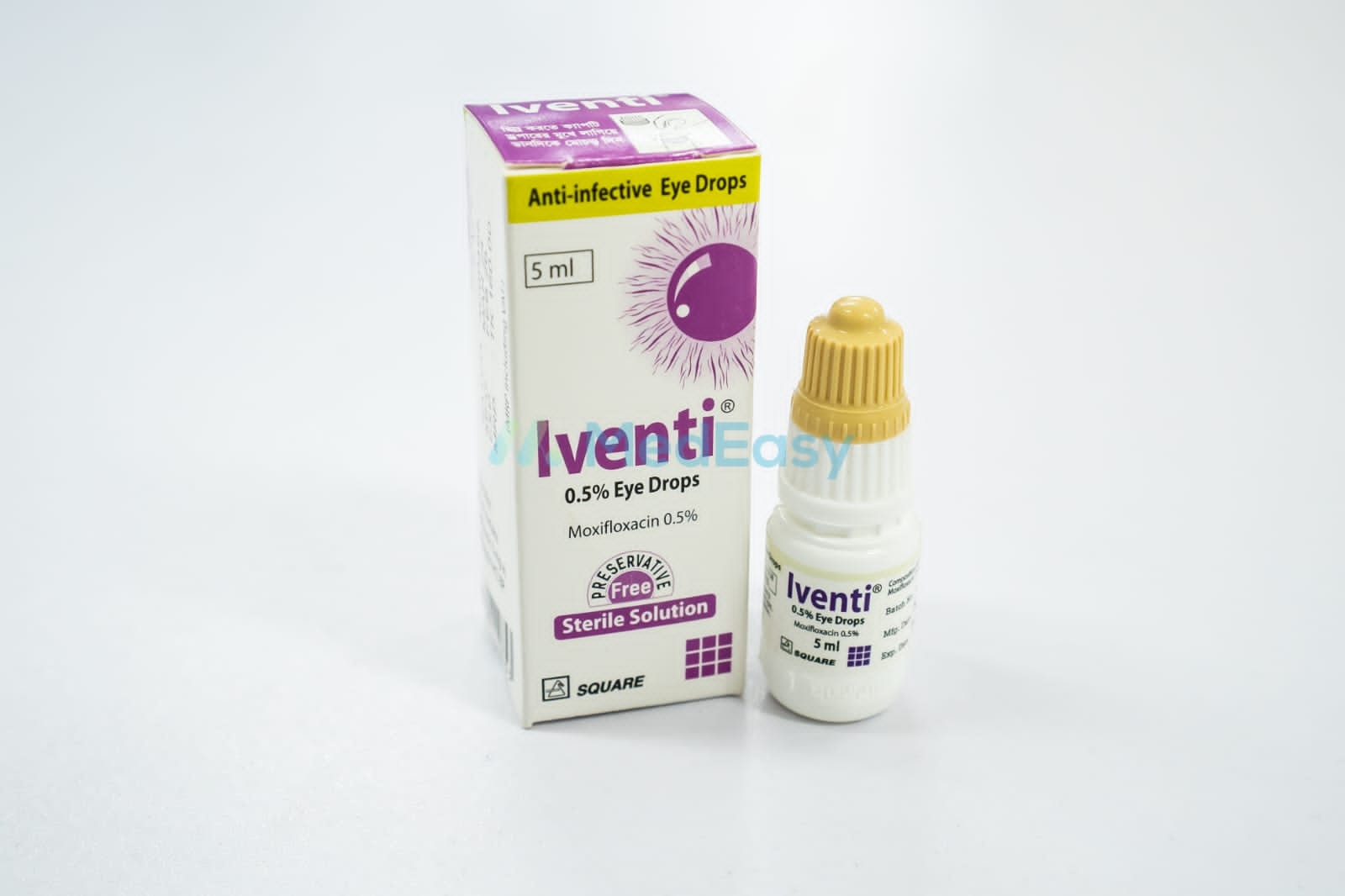
The ophthalmic solution of Moxifloxacin Hydrochloride is indicated for bacterial conjunctivitis caused by susceptible organisms.

Important limitation

Moxifloxacin Hydrochloride achieves relatively low concentrations in urine and is not recommended for the treatment of urinary tract infections. Moxifloxacin Hydrochloride is not effective against viral infections such as the common cold or influenza and should be used only for infections proven or strongly suspected to be caused by susceptible bacteria.

Dosage & Administration of Moxifloxacin Hydrochloride

Moxifloxacin Hydrochloride dosing for systemic infections is generally a fixed 400 mg once daily, regardless of severity, adjusted only by duration of treatment for the indication. Take Moxifloxacin Hydrochloride exactly as prescribed by your physician; do not stop, extend, skip doses, or share this medicine with others without medical advice. Complete the full prescribed course even if symptoms improve early, to reduce the risk of treatment failure and antibiotic resistance.

IndicationAdult DoseDuration
Community-acquired pneumonia400 mg once daily (oral or IV)7-14 days
Acute bacterial sinusitis (reserve use)400 mg once daily (oral or IV)10 days
Acute bacterial exacerbation of chronic bronchitis (reserve use)400 mg once daily (oral or IV)5 days
Uncomplicated skin/skin structure infection400 mg once daily (oral)7 days
Complicated skin/skin structure infection400 mg once daily (oral or IV)7-21 days
Complicated intra-abdominal infection400 mg once daily (oral or IV)5-14 days
Plague (treatment or post-exposure prophylaxis)400 mg once daily (oral or IV)10-14 days, as directed by a physician/health authority

Ophthalmic solution: For bacterial conjunctivitis, one drop in the affected eye(s) as directed by the prescriber (typically 2-3 times daily for 7 days); use only in the eye, not orally or by injection.

Renal and hepatic impairment: See Use in Special Populations.

Administration: Oral Moxifloxacin Hydrochloride may be taken with or without food, and adequate fluid intake should be maintained. Antacids, sucralfate, and products containing multivalent cations (iron, zinc, or multivitamins containing these minerals) reduce absorption and should be taken at least 4 hours before or 8 hours after Moxifloxacin Hydrochloride. The intravenous formulation must be administered as a slow infusion over approximately 60 minutes; it must not be given as a rapid or bolus intravenous injection, and must not be mixed with other medicines in the same infusion unless compatibility has been confirmed.

Side Effects of Moxifloxacin Hydrochloride

Most patients tolerate Moxifloxacin Hydrochloride well, but side effects can occur.

Common side effects

  • Nausea, diarrhea, vomiting, abdominal pain, dyspepsia
  • Headache, dizziness
  • Taste disturbance, insomnia

Less common but serious side effects

  • Tendinitis and tendon rupture (especially Achilles tendon), which can occur during or after treatment (see Precautions and Warnings)
  • Peripheral neuropathy (numbness, tingling, weakness) that may be irreversible
  • Central nervous system effects: seizures, confusion, tremors, hallucinations, anxiety, depression, and rarely suicidal thoughts
  • QT interval prolongation and, rarely, serious arrhythmias including torsades de pointes
  • Fulminant hepatitis potentially leading to liver failure (rare, but reported specifically with this drug); also milder transaminase elevations and jaundice
  • Photosensitivity (increased sensitivity to sunlight, causing exaggerated sunburn)
  • Clostridioides difficile-associated diarrhea, ranging from mild to life-threatening colitis
  • Hypersensitivity reactions, including rash, and rarely severe skin reactions (e.g., Stevens-Johnson syndrome) or anaphylaxis
  • Aortic aneurysm and aortic dissection (rare but serious risk signal, especially in older adults with risk factors)
  • Blood glucose disturbances (hypoglycemia or hyperglycemia), particularly in diabetic patients

Patients should seek prompt medical attention if they experience tendon pain/swelling, unusual numbness or tingling, palpitations or fainting, yellowing of the skin/eyes, severe diarrhea, sudden severe chest/back/abdominal pain, or signs of an allergic reaction while taking Moxifloxacin Hydrochloride.

Contraindications of Moxifloxacin Hydrochloride

Moxifloxacin Hydrochloride is contraindicated in:

  • Patients with known hypersensitivity to Moxifloxacin Hydrochloride, other quinolone/fluoroquinolone antibiotics, or any component of the formulation.
  • Patients with a known history of prolongation of the QT interval, uncorrected hypokalemia or hypomagnesemia, or concurrent use of other QT-prolonging drugs, particularly Class IA (e.g., quinidine, procainamide) or Class III (e.g., amiodarone, sotalol) antiarrhythmic agents, because of an increased risk of serious, potentially fatal cardiac arrhythmia.

Frequently Asked Questions about Moxifloxacin Hydrochloride

What is Moxifloxacin Hydrochloride used for?

Moxifloxacin Hydrochloride is a fourth-generation fluoroquinolone antibiotic used to treat bacterial infections such as pneumonia, sinusitis, chronic bronchitis flare-ups, skin infections, and certain intra-abdominal infections, as well as bacterial conjunctivitis when used as an eye drop. It only works against bacterial infections, not viral illnesses like cold or flu, and it is not used to treat urinary tract infections.

Can I stop taking Moxifloxacin Hydrochloride once I feel better?

No. Take Moxifloxacin Hydrochloride exactly as prescribed by your physician; do not stop, extend, skip doses, or share this medicine with others without medical advice. Stopping early can allow the infection to return and contributes to antibiotic resistance.

Are there foods or medicines I should avoid while taking Moxifloxacin Hydrochloride?

Yes. Avoid taking antacids, iron, zinc supplements, or multivitamins containing these minerals within 4 hours before or 8 hours after your Moxifloxacin Hydrochloride dose, as they reduce its absorption. Also inform your doctor about other medicines you take, especially heart-rhythm medicines (e.g., amiodarone, quinidine, sotalol), warfarin, corticosteroids, and diabetes medicines, since Moxifloxacin Hydrochloride can interact with these.

Is Moxifloxacin Hydrochloride safe during pregnancy or breastfeeding?

Moxifloxacin Hydrochloride is generally avoided during pregnancy and breastfeeding because of potential risks to the developing fetus or infant, based on effects seen with fluoroquinolones in animal studies. It should be used only if a physician determines the potential benefit clearly outweighs the potential risk and no safer alternative is suitable.

What side effects should prompt me to stop Moxifloxacin Hydrochloride and see a doctor?

Seek medical attention immediately if you develop tendon pain or swelling (especially in the heel/Achilles area), numbness or tingling, palpitations or fainting, yellowing of your skin or eyes, severe or persistent diarrhea, sudden severe chest or abdominal pain, seizures, confusion, or signs of an allergic reaction (rash, swelling, difficulty breathing) while taking Moxifloxacin Hydrochloride.

Can children take Moxifloxacin Hydrochloride?

Moxifloxacin Hydrochloride is generally not recommended for children because safety and effectiveness have not been established in this age group, and fluoroquinolones as a class carry a risk of joint and tendon problems seen in pediatric and animal studies. It would only be considered by a specialist in a serious situation with no suitable alternative.

Disclaimer

The information provided is accurate to the best of our knowledge, but it does not replace professional medical advice. We cannot guarantee its completeness or accuracy, and the absence of specific information about a drug should not be taken as an endorsement. We are not responsible for any consequences arising from this information, so please consult a healthcare professional for any concerns or questions.

DoctorBlogArticles