Generic medicine

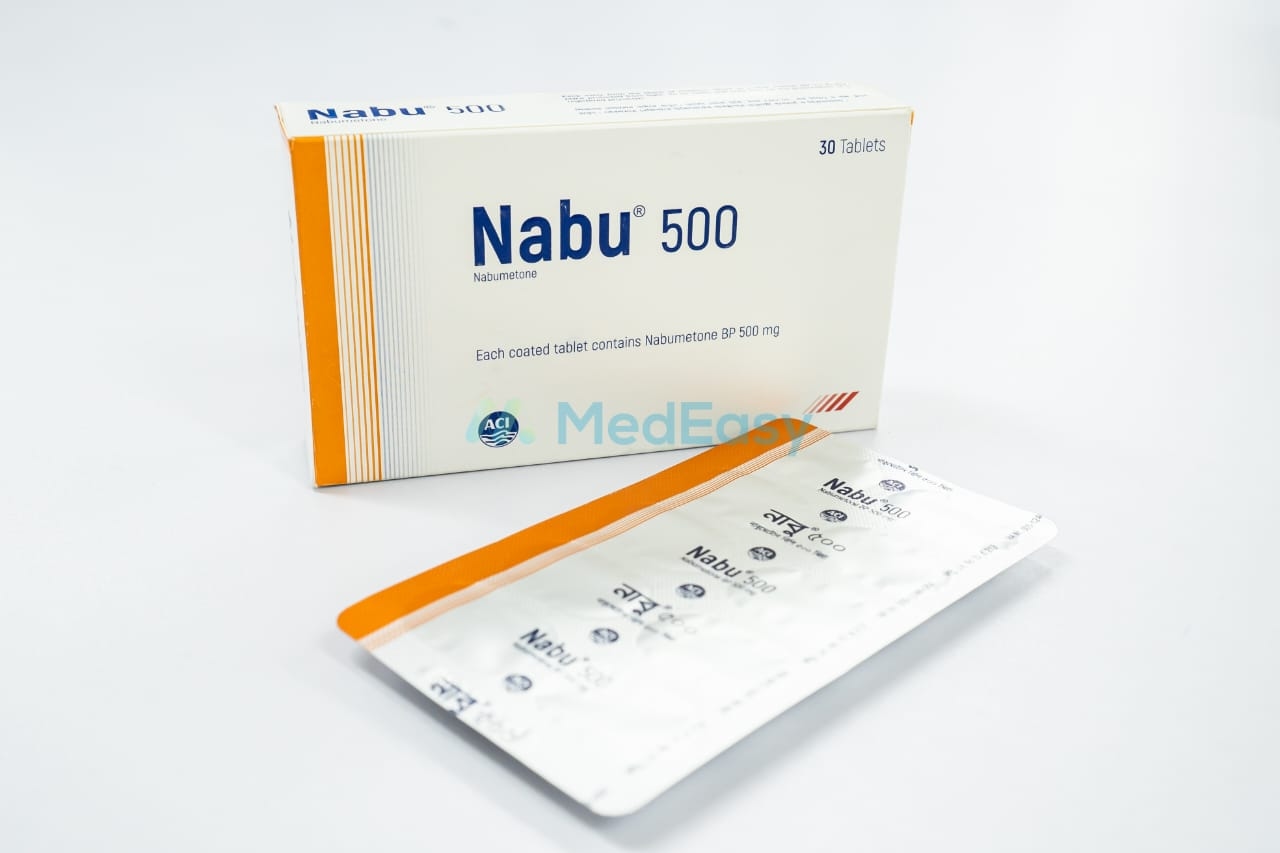
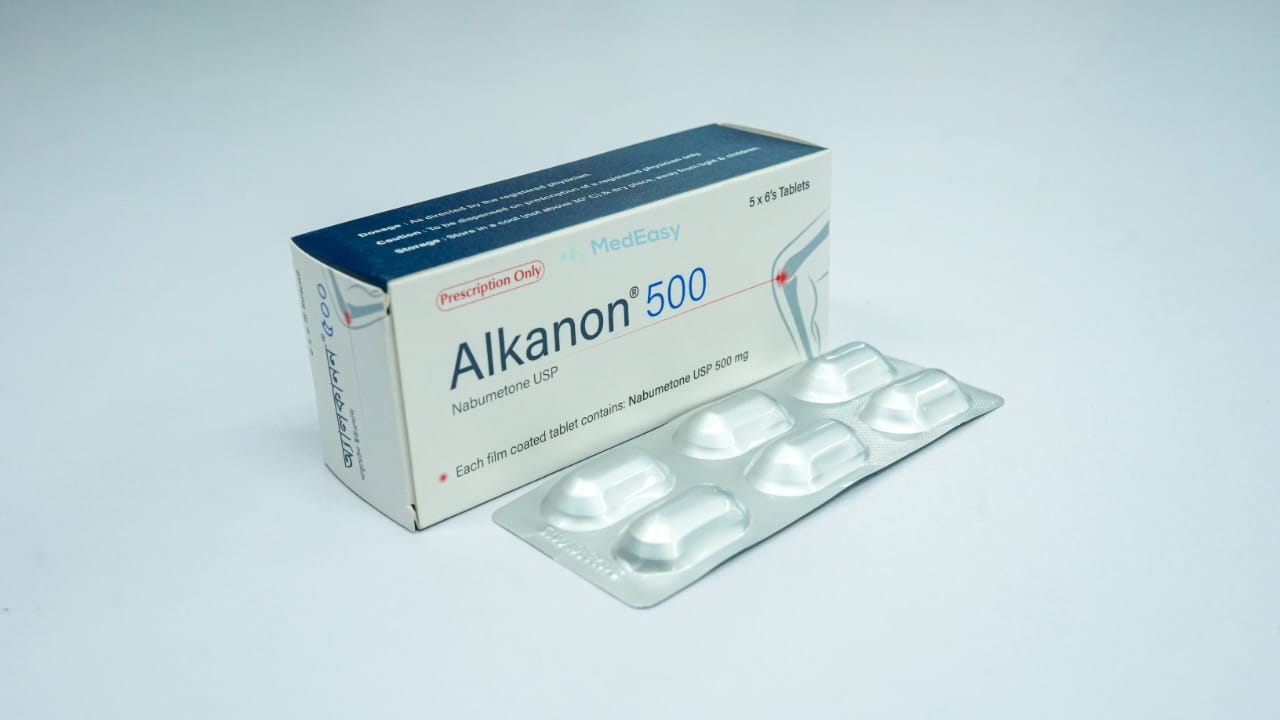
Nabumetone: Brands, Price & Uses in Bangladesh

Nabumetone is a nonsteroidal anti-inflammatory drug (NSAID) with the following evidence-based indications: Established / Approved Uses Osteoarthritis: Relief of the signs and symptoms of…

Forms:Tablet

About Nabumetone

Indications of Nabumetone

Nabumetone is a nonsteroidal anti-inflammatory drug (NSAID) with the following evidence-based indications:

Established / Approved Uses

  • Osteoarthritis: Relief of the signs and symptoms of osteoarthritis.
  • Rheumatoid arthritis: Relief of the signs and symptoms of rheumatoid arthritis in adults.

Guideline-Supported / Commonly Used Off-Label Uses

  • Relief of mild-to-moderate acute pain and other painful musculoskeletal conditions, such as soft-tissue injury, bursitis, and tendinitis, where NSAID therapy is appropriate (based on general clinical practice patterns for this NSAID class rather than a specific FDA-approved indication).
  • Symptomatic relief of dysmenorrhea in some clinical settings, as with other NSAIDs.

As with all NSAIDs, Nabumetone should be used at the lowest effective dose for the shortest duration consistent with individual treatment goals.

Dosage & Administration of Nabumetone

Adult Dosage

IndicationRecommended Dose
OsteoarthritisInitial dose of 1000 mg orally once daily (with or without food); may be increased to 1500-2000 mg/day in divided doses (twice daily) if needed for adequate response
Rheumatoid arthritisInitial dose of 1000 mg orally once daily; may be increased up to 2000 mg/day in divided doses based on clinical response
Lower body weight (under 50 kg)Lower initial doses may be appropriate; use the lowest effective dose

Maximum studied daily dose is 2000 mg. Use the lowest effective dose for the shortest duration consistent with treatment goals.

Renal Impairment

Dose adjustment (typically reduced initial and maximum daily dose) is recommended in patients with moderate-to-severe renal insufficiency; Nabumetone is generally not recommended in patients with advanced renal disease. Consult a physician for individualized dosing.

Hepatic Impairment

Use with caution in patients with hepatic impairment, as metabolism of Nabumetone to its active form may be reduced; dose adjustment or avoidance may be necessary in severe hepatic disease.

Pediatric Dosage

Safety and effectiveness of Nabumetone in pediatric patients have not been established; not recommended for use in children.

Side Effects of Nabumetone

Side effects associated with Nabumetone range from common and mild to rare but serious.

Common (occurring in ≥1% of patients)

  • Gastrointestinal: diarrhea, dyspepsia, abdominal pain, constipation, nausea, flatulence
  • Central nervous system: dizziness, headache, fatigue, insomnia
  • Dermatologic: rash, pruritus (itching)
  • Other: peripheral edema, tinnitus (ringing in ears)

Less Common but Serious

  • Gastrointestinal ulceration, bleeding, or perforation (can occur without warning symptoms)
  • Cardiovascular thrombotic events, including myocardial infarction and stroke (see Precautions and Warnings)
  • Elevated liver enzymes and, rarely, severe hepatic reactions (jaundice, hepatitis)
  • Renal impairment, including acute kidney injury, especially in at-risk patients
  • Anaphylactoid/hypersensitivity reactions
  • Serious skin reactions, including Stevens-Johnson syndrome and toxic epidermal necrolysis (rare)
  • Blood dyscrasias, including anemia and thrombocytopenia (rare)

Patients should seek prompt medical attention for signs of GI bleeding (black or bloody stools, vomiting blood), chest pain, shortness of breath, slurred speech, unusual bruising/bleeding, jaundice, or severe skin reactions.

Contraindications of Nabumetone

Nabumetone is contraindicated in the following situations:

  • Known hypersensitivity to Nabumetone or any of its excipients.
  • History of asthma, urticaria, or other allergic-type reactions after taking aspirin or other NSAIDs (due to risk of severe, potentially fatal anaphylactoid reactions).
  • In the setting of coronary artery bypass graft (CABG) surgery, including for perioperative pain in this setting.
  • Active, clinically significant gastrointestinal bleeding or peptic ulcer disease.
  • Third trimester of pregnancy (from approximately 30 weeks gestation onward), due to risk of premature closure of the fetal ductus arteriosus.

Frequently Asked Questions about Nabumetone

What is Nabumetone used for?

Nabumetone is a nonsteroidal anti-inflammatory drug (NSAID) primarily used to relieve the signs and symptoms of osteoarthritis and rheumatoid arthritis. It may also be used for other painful musculoskeletal conditions under physician guidance.

How should I take Nabumetone?

Nabumetone is usually taken orally, once or twice daily, with or without food. The typical starting dose is 1000 mg once daily, which may be adjusted by your physician up to a maximum of 2000 mg/day based on your response. Always follow your physician's specific instructions.

What are the main risks of taking Nabumetone?

Like other NSAIDs, Nabumetone carries a risk of serious gastrointestinal bleeding, ulceration, or perforation, which can occur without warning, and a risk of serious cardiovascular events such as heart attack or stroke, especially with long-term use or in patients with existing risk factors. It should be used at the lowest effective dose for the shortest necessary duration.

Can I take Nabumetone during pregnancy?

Nabumetone should be avoided starting at approximately 30 weeks of pregnancy due to risk of premature closure of the fetal ductus arteriosus, and should be used with caution and only the lowest effective dose between 20-30 weeks. In earlier pregnancy, it should only be used if clearly needed and if the potential benefit justifies the potential risk to the fetus, as determined by a physician. Always consult your physician before using it during pregnancy.

Who should not take Nabumetone?

Nabumetone should not be taken by people with known hypersensitivity to it, a history of asthma or allergic reactions triggered by aspirin or other NSAIDs, active gastrointestinal bleeding or ulcer disease, those undergoing or recently having had coronary artery bypass graft (CABG) surgery, or women in the third trimester of pregnancy.

What should I do if I miss a dose or take too much Nabumetone?

If you miss a dose, take it as soon as you remember unless it is close to your next scheduled dose, in which case skip the missed dose - do not double up. If you suspect an overdose of Nabumetone, which can cause nausea, vomiting, stomach pain, or more severe effects, seek immediate medical attention or contact a poison control center right away.

Disclaimer

The information provided is accurate to the best of our knowledge, but it does not replace professional medical advice. We cannot guarantee its completeness or accuracy, and the absence of specific information about a drug should not be taken as an endorsement. We are not responsible for any consequences arising from this information, so please consult a healthcare professional for any concerns or questions.
DoctorBlogArticles