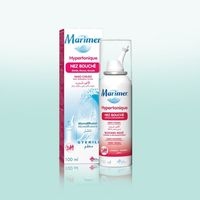
Generic medicine

Nasal Spray: Brands, Price & Uses in Bangladesh

Nasal Spray is indicated for the relief of symptoms associated with dryness and congestion of the nasal passages.

Forms:Nasal Spray

About Nasal Spray

Indications of Nasal Spray

Nasal Spray is indicated for the relief of symptoms associated with dryness and congestion of the nasal passages. Its use is well established as a supportive/adjunct measure rather than a treatment for underlying infection.

  • Established use: Relief of nasal dryness, stuffiness, and crusting caused by the common cold, allergic rhinitis, sinusitis, dry indoor air, or air conditioning/heating environments.
  • Established use: Loosening and clearing of thickened mucus and minor nasal irritants (dust, pollen, allergens) from the nasal passages.
  • Adjunct use: As a nasal moisturizer used alongside prescribed intranasal steroids or antihistamine sprays to improve tolerability and mucosal comfort.
  • Adjunct use: Post-operative nasal hygiene after sinus or nasal surgery, as advised by a physician.
  • Guideline-supported use: Adjunctive nasal irrigation in chronic rhinosinusitis, as recommended in otolaryngology practice guidelines.

Nasal Spray is a non-medicated preparation and is not indicated for the treatment of bacterial sinus infection, nasal polyps, or structural nasal disease; these require separate medical evaluation and treatment.

Dosage & Administration of Nasal Spray

IndicationPopulationTypical Dosage
Nasal dryness/congestion (cold, allergy, dry air)Adults & adolescents1-2 sprays in each nostril, 2-6 times daily as needed
Nasal dryness/congestionChildren (per product labeling, typically ≥2-3 years)1 spray in each nostril, 2-4 times daily as needed, or as directed by a physician
Nasal dryness/congestionInfants (where a specifically labeled infant formulation/drops is used)2-3 drops in each nostril as needed, or as directed by a pediatrician
Adjunct to intranasal medicationAll agesUse a few minutes before the medicated spray to clear and moisturize the passage, per physician's advice

No renal or hepatic dose adjustment is required for Nasal Spray, as it is not systemically absorbed or metabolized.

Side Effects of Nasal Spray

Nasal Spray is generally very well tolerated. Reported side effects are typically mild and transient:

  • Mild nasal stinging, burning, or tickling sensation immediately after use (more common with hypertonic formulations)
  • Sneezing
  • Temporary increase in nasal discharge
  • Dryness or minor irritation of the nasal lining with very frequent or prolonged use
  • Rarely, minor nosebleed (epistaxis), particularly with vigorous or excessive use of hypertonic formulations

Serious adverse effects are exceptionally rare given the non-systemic nature of Nasal Spray.

Contraindications of Nasal Spray

Nasal Spray is contraindicated only in individuals with known hypersensitivity to sodium chloride or any other component of the specific formulation. True absolute contraindications to simple saline nasal preparations are rare.

Frequently Asked Questions about Nasal Spray

What is Nasal Spray used for?

Nasal Spray is used to relieve nasal dryness, congestion, and crusting caused by colds, allergies, sinusitis, or dry air, and to help moisturize the nasal passages and clear mucus and irritants.

Is Nasal Spray safe to use every day?

Yes, Nasal Spray is a non-medicated saline solution and is generally considered safe for regular, even daily, use, since it is not habit-forming and is not associated with rebound congestion the way medicated decongestant sprays can be. If irritation develops, discontinue use and consult a physician.

Can Nasal Spray be used during pregnancy or breastfeeding?

Nasal Spray is considered very low risk during pregnancy and breastfeeding because it has no systemic absorption. It is often recommended as a first-line option for nasal congestion in pregnant women. As with any product, use only as needed and consult a physician if symptoms are severe or persistent.

Can Nasal Spray be used in infants and children?

Yes, but only formulations of Nasal Spray specifically labeled for infant or pediatric use (such as nasal drops or a gentle spray) should be used, and a pediatrician should be consulted, particularly for infants under 2 years of age.

What are the side effects of Nasal Spray?

Nasal Spray is generally well tolerated. Mild, transient side effects can include nasal stinging, sneezing, or minor irritation, and rarely a minor nosebleed, especially with hypertonic formulations used frequently.

Can Nasal Spray be shared between family members?

No. A single bottle of Nasal Spray should not be shared between different people, as this can spread respiratory infections through contamination of the nozzle.

Disclaimer

The information provided is accurate to the best of our knowledge, but it does not replace professional medical advice. We cannot guarantee its completeness or accuracy, and the absence of specific information about a drug should not be taken as an endorsement. We are not responsible for any consequences arising from this information, so please consult a healthcare professional for any concerns or questions.

DoctorBlogArticles