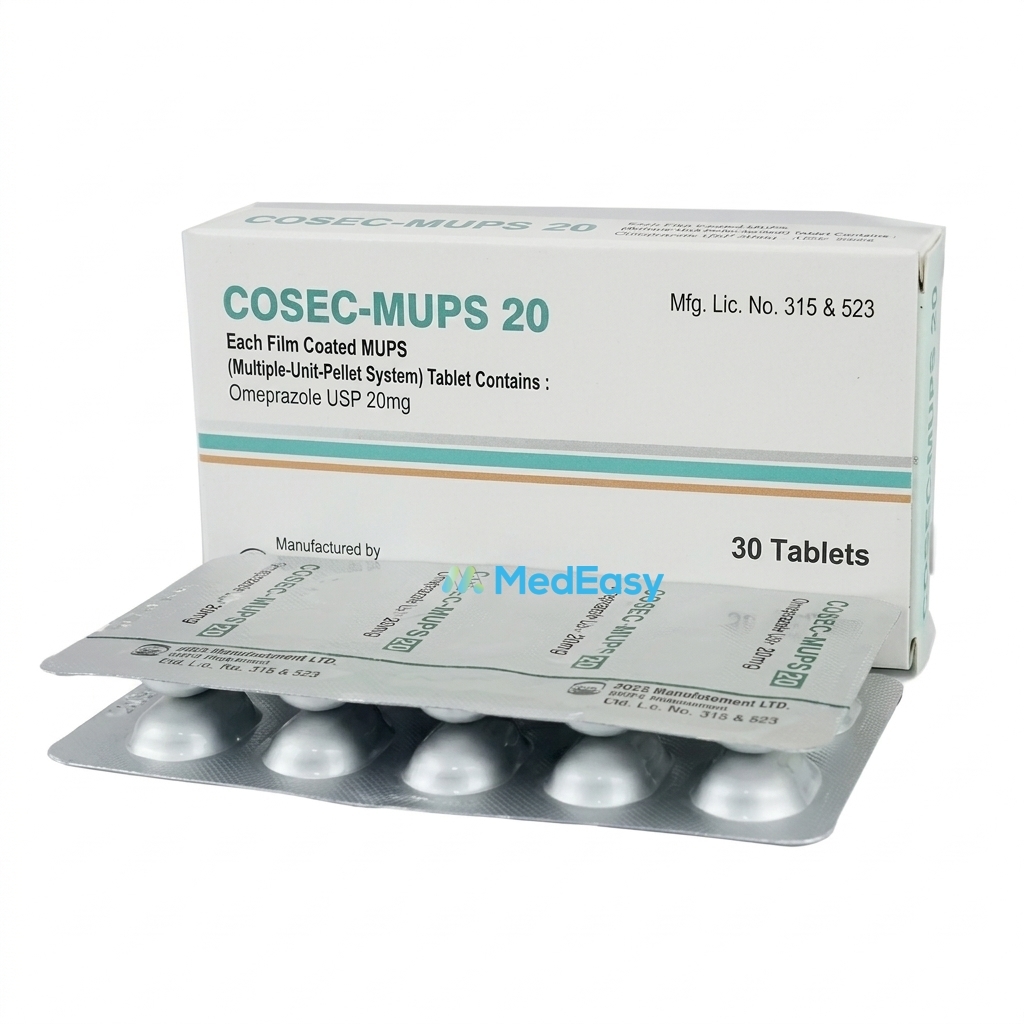
Generic medicine

Omeprazole: Brands, Price & Uses in Bangladesh

Gastroesophageal Reflux Disease (GERD) Omeprazole is FDA-approved for the treatment of symptomatic GERD and for the treatment and maintenance of healing of erosive esophagitis.

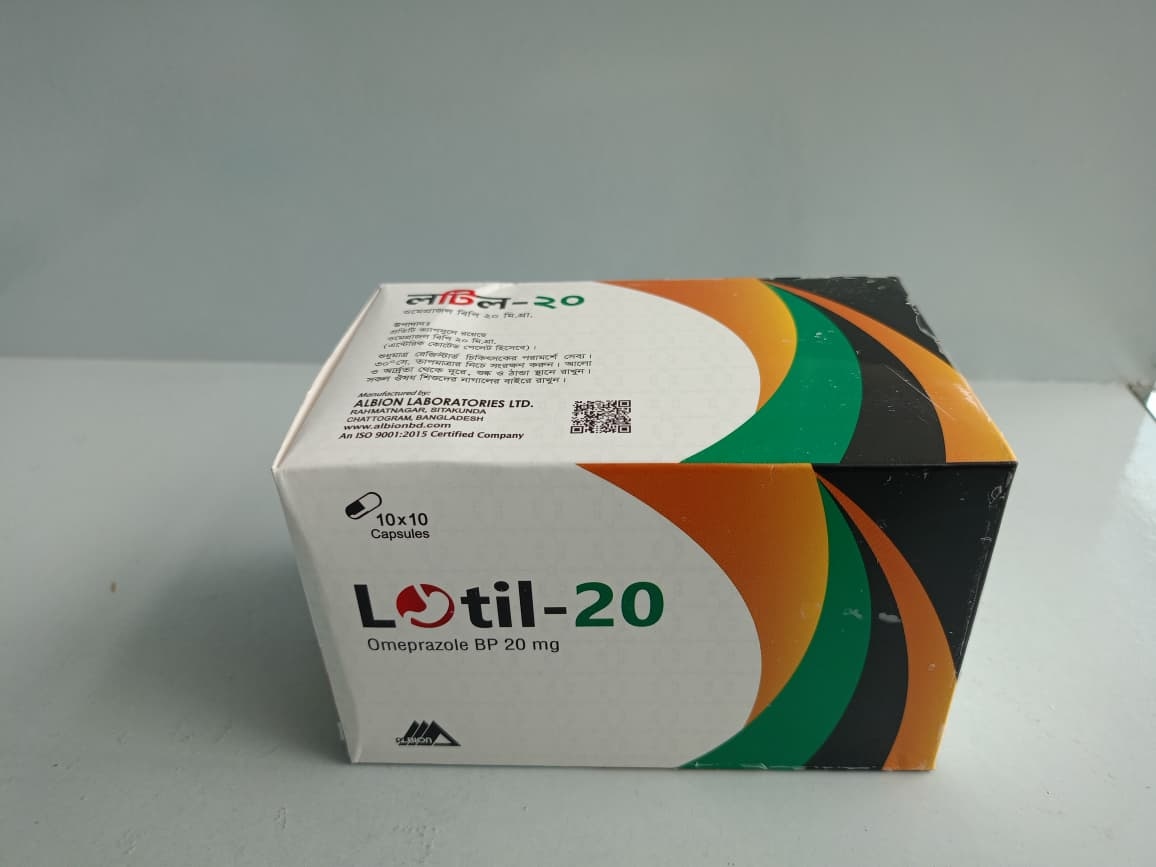
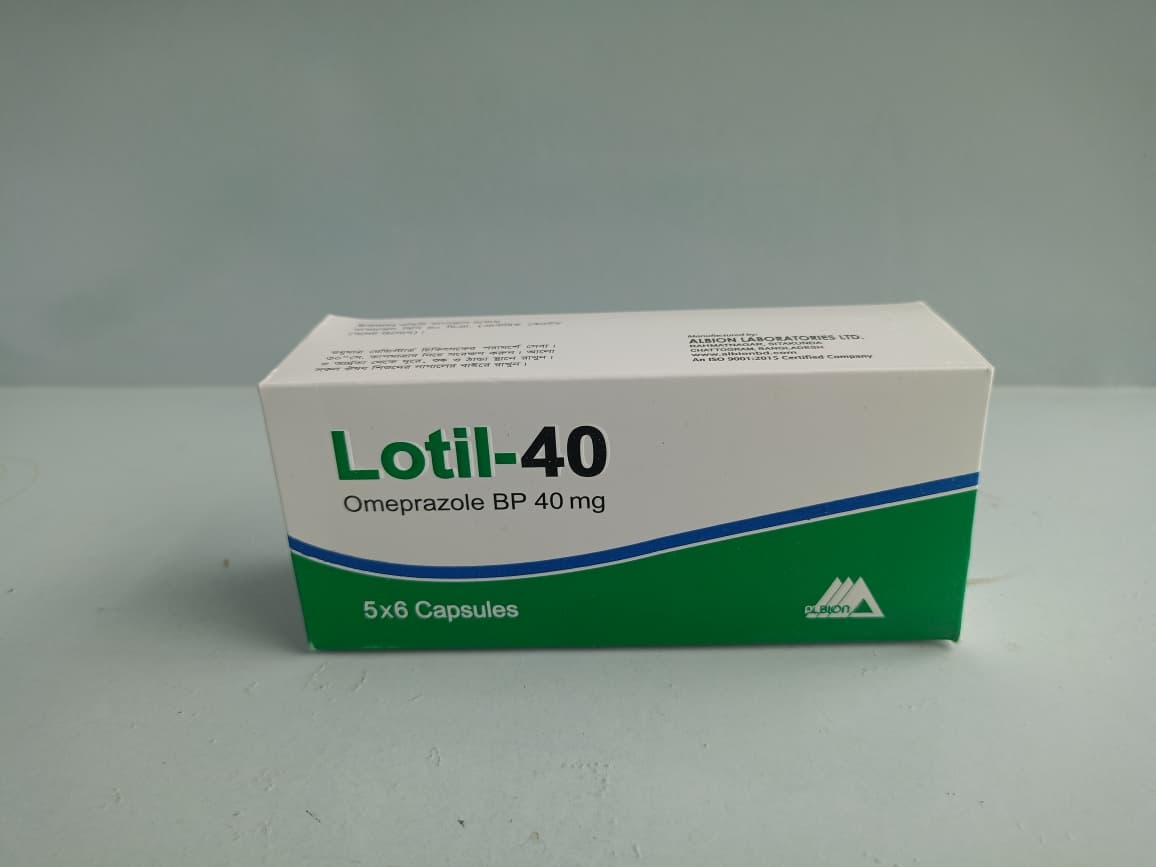
Forms:IV InjectionCapsuleMUPS Tablet

About Omeprazole

Indications of Omeprazole

Gastroesophageal Reflux Disease (GERD)

Omeprazole is FDA-approved for the treatment of symptomatic GERD and for the treatment and maintenance of healing of erosive esophagitis.

Duodenal Ulcer

Omeprazole is FDA-approved for short-term treatment (typically 4 weeks) of active duodenal ulcer, and, in combination with antibacterial regimens, for Helicobacter pylori eradication to reduce the risk of duodenal ulcer recurrence.

Gastric Ulcer

Omeprazole is FDA-approved for short-term treatment (4-8 weeks) of active benign gastric ulcer.

NSAID-Associated Ulcer

Omeprazole is FDA-approved for risk reduction of NSAID-associated gastric ulcer in patients requiring continued NSAID use, and for healing of NSAID-associated ulcers.

Helicobacter pylori Eradication

Omeprazole is FDA-approved as part of combination regimens (with antibiotics such as clarithromycin and amoxicillin) for H. pylori eradication; it is not effective as monotherapy for this indication and requires combination therapy.

Pathological Hypersecretory Conditions

Omeprazole is FDA-approved for long-term treatment of pathological hypersecretory conditions, including Zollinger-Ellison syndrome, multiple endocrine adenomas, and systemic mastocytosis.

Prevention of Acid Aspiration / Stress Ulcer Prophylaxis (Adjunct, Guideline/Practice-Supported Use)

Omeprazole is also used, based on clinical practice and guideline support rather than a specific FDA-labeled indication in every case, for prophylaxis of acid aspiration during general anesthesia and for stress ulcer prophylaxis in select critically ill patients; such use should be directed by a physician.

Dosage & Administration of Omeprazole

Dosing of Omeprazole depends on the indication being treated, the patient's age, and whether treatment is for short-term healing or long-term maintenance/hypersecretory control. The lowest effective dose for the shortest duration appropriate to the indication should be used, and Omeprazole should be taken exactly as directed by a physician. See Dosage for a per-indication breakdown and Administration for instructions on how to take Omeprazole.

Side Effects of Omeprazole

Common Side Effects

The most common side effects reported with Omeprazole include the following:

  • Headache
  • Abdominal pain
  • Nausea and vomiting
  • Diarrhea
  • Constipation
  • Flatulence

Serious Side Effects (Seek Medical Attention)

  • Signs of a severe allergic reaction: rash, hives, facial or throat swelling, difficulty breathing, or anaphylaxis
  • Severe, watery, or bloody diarrhea that does not improve, which may indicate Clostridioides difficile-associated diarrhea (see Precautions and Warnings)
  • Signs of low magnesium: seizures, abnormal or fast heart rhythm, tremors, muscle spasms, or persistent muscle cramps (see Precautions and Warnings)
  • New or worsening joint pain with a rash on the cheeks or arms that worsens in sunlight, which may indicate cutaneous or systemic lupus erythematosus
  • Yellowing of the skin or eyes, dark urine, or severe stomach pain, which may indicate liver problems
  • Severe skin reactions such as blistering or peeling skin (Stevens-Johnson syndrome/toxic epidermal necrolysis)
  • Signs of a low blood cell count: unusual bruising, bleeding, fever, or infections that do not go away

Contraindications of Omeprazole

  • Known hypersensitivity to Omeprazole, any component of the formulation, or another proton pump inhibitor.
  • Concomitant use with rilpivirine-containing antiretroviral products (Omeprazole is contraindicated in this combination because it reduces rilpivirine plasma levels, risking loss of virologic response).

Frequently Asked Questions about Omeprazole

What is Omeprazole used for?

Omeprazole is a proton pump inhibitor used to treat gastroesophageal reflux disease (GERD), duodenal and gastric ulcers, NSAID-associated ulcers, and pathological hypersecretory conditions such as Zollinger-Ellison syndrome; it is also used in combination with antibiotics to help eradicate Helicobacter pylori infection.

How should I take Omeprazole?

Omeprazole should be taken before a meal, usually in the morning, and the capsule or tablet should be swallowed whole with water without crushing or chewing, since this protects the enteric coating that allows Omeprazole to work properly. See Administration for full instructions.

Can Omeprazole be taken with clopidogrel?

Omeprazole can reduce the antiplatelet effect of clopidogrel by blocking the CYP2C19 enzyme needed to activate it, which may increase cardiovascular risk in patients relying on clopidogrel for heart protection; this combination should generally be avoided, and a physician should be consulted about alternatives. See Interaction for details.

Is Omeprazole safe during pregnancy and breastfeeding?

Available data have not shown a clear increase in birth defect risk with Omeprazole use in pregnancy, but Omeprazole should still be used during pregnancy only if clearly needed, with a physician's guidance. Omeprazole passes into breast milk in small amounts, so breastfeeding mothers should discuss the benefits and risks with a physician before use. See Pregnancy and Lactation for full details.

What are the risks of taking Omeprazole for a long time?

Long-term use of Omeprazole has been associated with an increased risk of bone fractures, low magnesium levels, vitamin B12 deficiency, Clostridioides difficile-associated diarrhea, and benign stomach (fundic gland) polyps. Omeprazole should be used at the lowest effective dose for the shortest duration needed, and long-term use of Omeprazole should be periodically reviewed by a physician. See Precautions and Warnings for details.

What should I do if I take too much Omeprazole?

If an overdose of Omeprazole is suspected, seek immediate medical attention or contact a poison control center right away; treatment is generally supportive, as there is no specific antidote for Omeprazole overdose. See Overdose Effects for more information.

Disclaimer

The information provided is accurate to the best of our knowledge, but it does not replace professional medical advice. We cannot guarantee its completeness or accuracy, and the absence of specific information about a drug should not be taken as an endorsement. We are not responsible for any consequences arising from this information, so please consult a healthcare professional for any concerns or questions.
DoctorBlogArticles