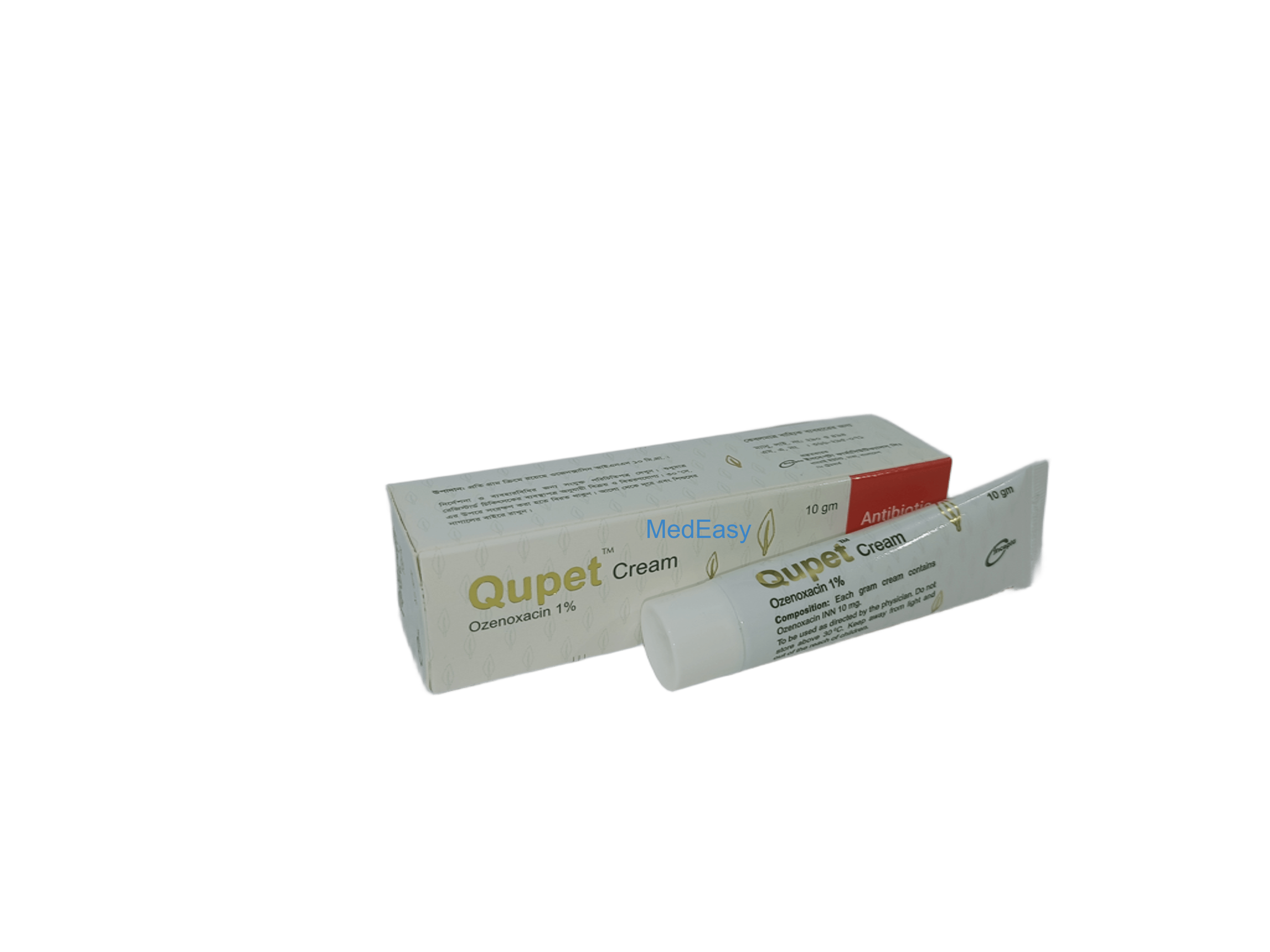
Generic medicine

Ozenoxacin: Brands, Price & Uses in Bangladesh

Ozenoxacin is an FDA-approved topical antibiotic indicated for the treatment of impetigo caused by susceptible isolates of Staphylococcus aureus (methicillin-susceptible strains) or Streptococcus…

Forms:Cream

About Ozenoxacin

Indications of Ozenoxacin

Ozenoxacin is an FDA-approved topical antibiotic indicated for the treatment of impetigo caused by susceptible isolates of Staphylococcus aureus (methicillin-susceptible strains) or Streptococcus pyogenes in adult and pediatric patients within the approved age range.

  • Established/approved use: Topical treatment of impetigo (a superficial bacterial skin infection) due to S. aureus or S. pyogenes.
  • Not established: Ozenoxacin is not indicated for infections of the eyes, mouth, or mucous membranes, for deep or systemic skin infections, or for infections caused by organisms other than the labeled pathogens.

There is no well-established off-label use for Ozenoxacin; it should be used strictly for its approved topical dermatologic indication.

Dosage & Administration of Ozenoxacin

IndicationPopulationDose
Impetigo (due to S. aureus or S. pyogenes)Adults and pediatric patients ≥2 months of ageApply a thin layer of 1% Ozenoxacin cream to the affected area twice daily for 5 consecutive days

Administration instructions:

  • For external (topical) use only.
  • Clean and gently dry the affected area before application.
  • Apply a thin layer to cover the affected area(s), up to a maximum body surface area as directed by the physician.
  • Wash hands before and after application unless the hands are the treated area.
  • Avoid contact with the eyes, mouth, lips, nostrils, and other mucous membranes.
  • Complete the full 5-day course as prescribed even if the skin lesions appear to improve earlier, to reduce the risk of recurrence and antibiotic resistance.
  • Antibiotic stewardship: Take/use Ozenoxacin exactly as prescribed by your physician; do not stop, extend, skip doses, or share this medicine with others without medical advice.

Side Effects of Ozenoxacin

Topical Ozenoxacin is generally well tolerated. Reported adverse effects are typically mild and local.

  • Common: Application-site reactions such as erythema (redness), irritation, pruritus (itching), or a mild burning/stinging sensation at the site of application.
  • Uncommon: Contact dermatitis, dryness, or exfoliation of the skin at the treated site.
  • Rare: Hypersensitivity reactions (see Contraindications and Precautions).

If severe irritation, blistering, or signs of an allergic reaction occur, discontinue Ozenoxacin and consult a physician promptly.

Contraindications of Ozenoxacin

Ozenoxacin is contraindicated in patients with known hypersensitivity to ozenoxacin, any other quinolone antibacterial agent, or any component of the formulation.

Frequently Asked Questions about Ozenoxacin

What is Ozenoxacin used for?

Ozenoxacin is a topical antibiotic cream used to treat impetigo, a superficial bacterial skin infection caused by Staphylococcus aureus or Streptococcus pyogenes, in adults and children 2 months of age and older.

How should I apply Ozenoxacin?

Apply a thin layer of Ozenoxacin cream to the affected skin area twice daily for 5 consecutive days. Clean the area first, avoid contact with the eyes, mouth, and mucous membranes, and complete the full course even if the skin looks better before finishing, as directed by your physician.

Can Ozenoxacin be used during pregnancy or breastfeeding?

Ozenoxacin has minimal systemic absorption when applied topically, but there are no adequate studies in pregnant or breastfeeding women. It should be used during pregnancy or lactation only if clearly needed and the potential benefit outweighs the potential risk; consult a physician before use, and avoid applying to the breast/nipple area while breastfeeding.

What are the common side effects of Ozenoxacin?

The most common side effects of Ozenoxacin are mild, local skin reactions at the application site, including redness, itching, irritation, or a burning/stinging sensation. Discontinue use and consult a physician if severe irritation or signs of an allergic reaction occur.

Who should not use Ozenoxacin?

Ozenoxacin should not be used by anyone with a known hypersensitivity to ozenoxacin, other quinolone antibiotics, or any ingredient in the cream.

What happens if I stop Ozenoxacin treatment early?

Stopping Ozenoxacin before completing the full prescribed 5-day course, even if the skin appears to improve, may increase the risk of the infection returning and contribute to antibiotic resistance. Always take exactly as prescribed by your physician; do not stop, extend, skip doses, or share this medicine with others without medical advice.

Disclaimer

The information provided is accurate to the best of our knowledge, but it does not replace professional medical advice. We cannot guarantee its completeness or accuracy, and the absence of specific information about a drug should not be taken as an endorsement. We are not responsible for any consequences arising from this information, so please consult a healthcare professional for any concerns or questions.

DoctorBlogArticles