Generic medicine

Pancreatin [High Lipase]: Brands, Price & Uses in Bangladesh

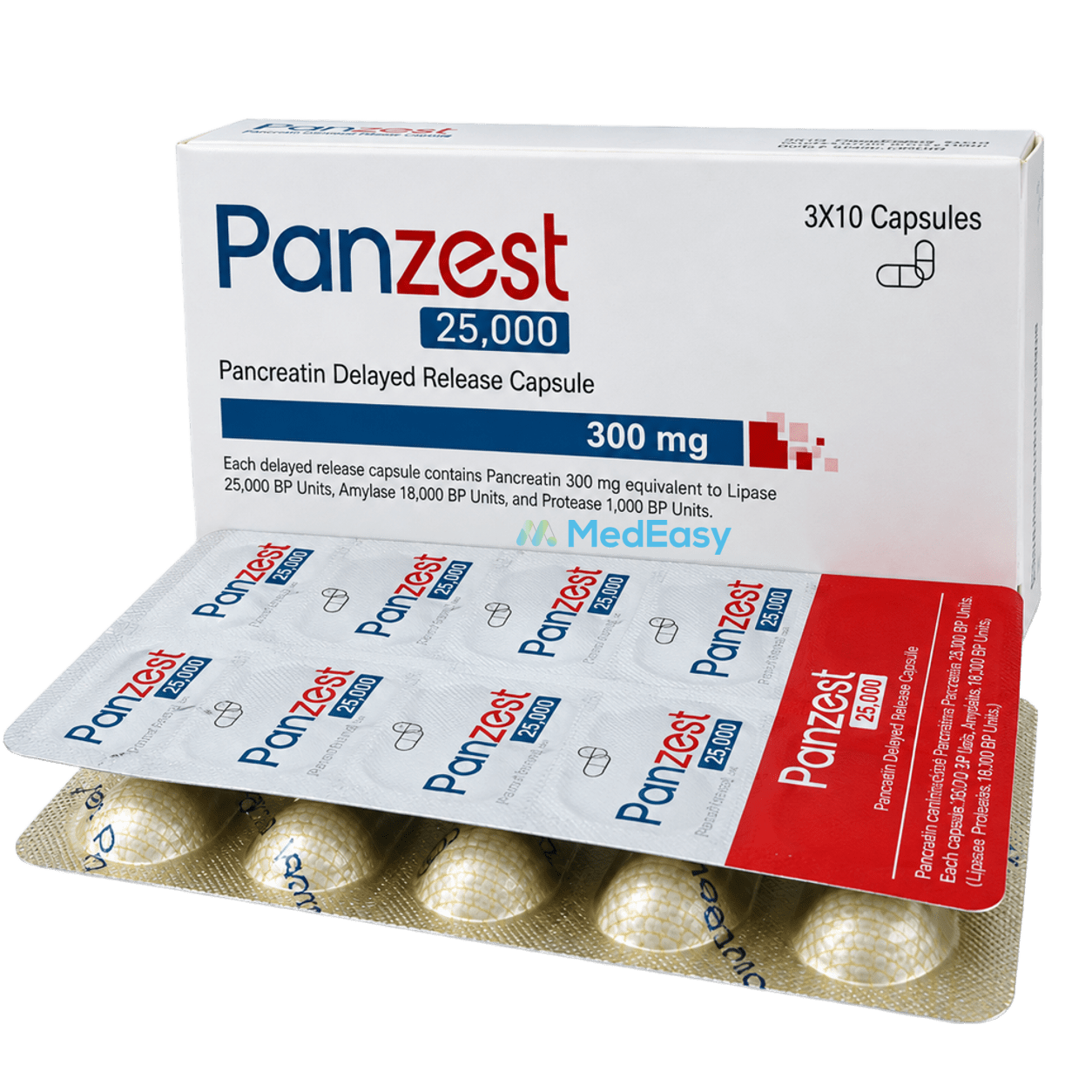
Pancreatin [High Lipase] is a pancreatic enzyme replacement product formulated with a proportionally higher lipase content relative to its protease and amylase content.

Forms:Capsule (Enteric Coated)

About Pancreatin [High Lipase]

Indications of Pancreatin [High Lipase]

Pancreatin [High Lipase] is a pancreatic enzyme replacement product formulated with a proportionally higher lipase content relative to its protease and amylase content. It is used to improve digestion of dietary fats, proteins, and carbohydrates in patients with exocrine pancreatic insufficiency (EPI), thereby reducing steatorrhea and supporting nutrient absorption.

Established / Guideline-Supported Uses

  • Exocrine pancreatic insufficiency due to chronic pancreatitis in adults
  • Exocrine pancreatic insufficiency following pancreatectomy or other pancreatic surgery
  • Exocrine pancreatic insufficiency associated with cystic fibrosis, in children and adults, using an appropriately dosed pancreatic enzyme product

Other Recognised Uses (Pancreatic Insufficiency of Other Origin)

  • Pancreatic duct obstruction (for example, by a tumour)
  • Malabsorption due to other conditions reducing delivery of pancreatic enzymes to the small intestine

Certain non-enteric-coated formulations of Pancreatin [High Lipase] are used in combination with an acid-suppressing agent (such as a proton pump inhibitor), as directed by the physician, to protect enzyme activity from inactivation by gastric acid. Pancreatin [High Lipase] is an adjunct to dietary management and does not replace medical nutrition therapy.

Dosage & Administration of Pancreatin [High Lipase]

Dosing of Pancreatin [High Lipase] is individualized, weight-based, and titrated according to the severity of steatorrhea, dietary fat intake, and clinical response (stool pattern, weight gain, nutritional status). The figures below reflect typical, widely used weight-based dosing ranges for pancreatic enzyme replacement products of this type; the treating physician should set the exact starting dose and titration schedule.

PopulationTypical Starting DoseMaximum Dose
Infants (up to 12 months)2,000–4,000 lipase units per 120 mL of formula or breast milkAs advised by the physician; monitor growth closely
Children 1–4 years1,000 lipase units/kg body weight per meal2,500 lipase units/kg per meal
Children ≥4 years and adults500 lipase units/kg body weight per meal2,500 lipase units/kg per meal; not to exceed 10,000 lipase units/kg/day or approximately 4,000 lipase units per gram of dietary fat ingested per day

Half the meal dose is typically given with snacks. Doses above these limits should not be used without specialist supervision because of the risk of fibrosing colonopathy (see Precautions and Warnings).

Administration Instructions

  • Take Pancreatin [High Lipase] with meals or snacks, not on an empty stomach, so that the enzymes are available during food digestion.
  • Swallow capsules/tablets whole with an adequate amount of liquid; do not crush or chew, as this destroys the protective enteric coating and can cause irritation of the mouth and mucous membranes.
  • If a patient cannot swallow the capsule whole (for example, infants or young children), it may be opened and the contents sprinkled on a small amount of soft, acidic food (such as apple sauce) at room temperature and swallowed immediately without chewing, followed by water or juice. Do not mix with food or liquid that is not acidic (pH greater than 4.5), such as milk, and do not save a mixed dose for later use.
  • Do not hold the capsule contents in the mouth.

Side Effects of Pancreatin [High Lipase]

The most commonly reported side effects of Pancreatin [High Lipase] are gastrointestinal and generally mild:

  • Abdominal pain or discomfort, nausea, diarrhea or constipation, flatulence
  • Headache

Serious but Less Common Effects

  • Fibrosing colonopathy (colonic stricture) — reported mainly with prolonged use of very high doses, particularly in children with cystic fibrosis; presents with abdominal pain, distension, or worsening bowel symptoms and requires prompt medical evaluation.
  • Hyperuricemia/hyperuricosuria — associated with high-dose use, more likely in patients with gout or renal impairment.
  • Hypersensitivity reactions — ranging from skin rash and itching to, rarely, severe reactions such as anaphylaxis or bronchospasm, particularly relevant to patients with known porcine-protein allergy.
  • Oral or perioral irritation if capsule contents are chewed or held in the mouth.

Contraindications of Pancreatin [High Lipase]

Pancreatin [High Lipase] is contraindicated in:

  • Patients with known hypersensitivity to pancreatic enzymes (pancrelipase/pancreatin) or to any component of the product, including porcine proteins, since this product is derived from porcine pancreas.
  • Patients during an acute exacerbation of pancreatitis (acute phase), and in acute pancreatitis superimposed on chronic pancreatitis, until the acute episode has resolved.

Frequently Asked Questions about Pancreatin [High Lipase]

What is Pancreatin [High Lipase] used for?

Pancreatin [High Lipase] is a pancreatic enzyme replacement product used to help digest fats, proteins, and starches in people whose pancreas does not produce enough digestive enzymes, most commonly due to chronic pancreatitis, cystic fibrosis, or pancreatic surgery.

How should I take Pancreatin [High Lipase]?

Take Pancreatin [High Lipase] with every meal and snack, swallowing the capsule/tablet whole with plenty of liquid. Do not crush or chew it, as this destroys the protective coating and can irritate the mouth. If you cannot swallow it whole, ask your physician about opening the capsule and mixing the contents with a small amount of soft, acidic food such as apple sauce, taken immediately without chewing.

Who should not take Pancreatin [High Lipase]?

Pancreatin [High Lipase] should not be used by anyone with a known allergy to pancreatic enzymes or to pork/porcine-derived proteins, and should not be started during an acute flare-up of pancreatitis. It should be used with caution, under medical supervision, in people with gout or kidney problems because of a risk of raised uric acid at high doses.

What are the main risks of taking too much Pancreatin [High Lipase], especially in children?

Taking doses of Pancreatin [High Lipase] higher than recommended, especially for a long time, has been linked to a rare bowel problem called fibrosing colonopathy (narrowing of the colon), seen mainly in children with cystic fibrosis on very high doses, and to raised uric acid levels. Always follow the weight-based dose your physician prescribes and do not exceed the maximum recommended dose without medical advice.

Is Pancreatin [High Lipase] safe during pregnancy and breastfeeding?

Pancreatin [High Lipase] works mainly inside the gut and is not significantly absorbed into the bloodstream, so it is generally considered to carry low risk, but it should still be used during pregnancy only if clearly needed, weighing benefit against any unproven risk, and a physician should be consulted before use during pregnancy or breastfeeding.

Is Pancreatin [High Lipase] derived from pork, and is that a concern for some patients?

Yes, Pancreatin [High Lipase] is manufactured from porcine (pig) pancreas. Patients who avoid pork-derived products for religious, dietary, or personal reasons should discuss this with their physician or pharmacist before starting Pancreatin [High Lipase], so that they can make an informed decision or discuss alternatives.

Disclaimer

The information provided is accurate to the best of our knowledge, but it does not replace professional medical advice. We cannot guarantee its completeness or accuracy, and the absence of specific information about a drug should not be taken as an endorsement. We are not responsible for any consequences arising from this information, so please consult a healthcare professional for any concerns or questions.
DoctorBlogArticles
