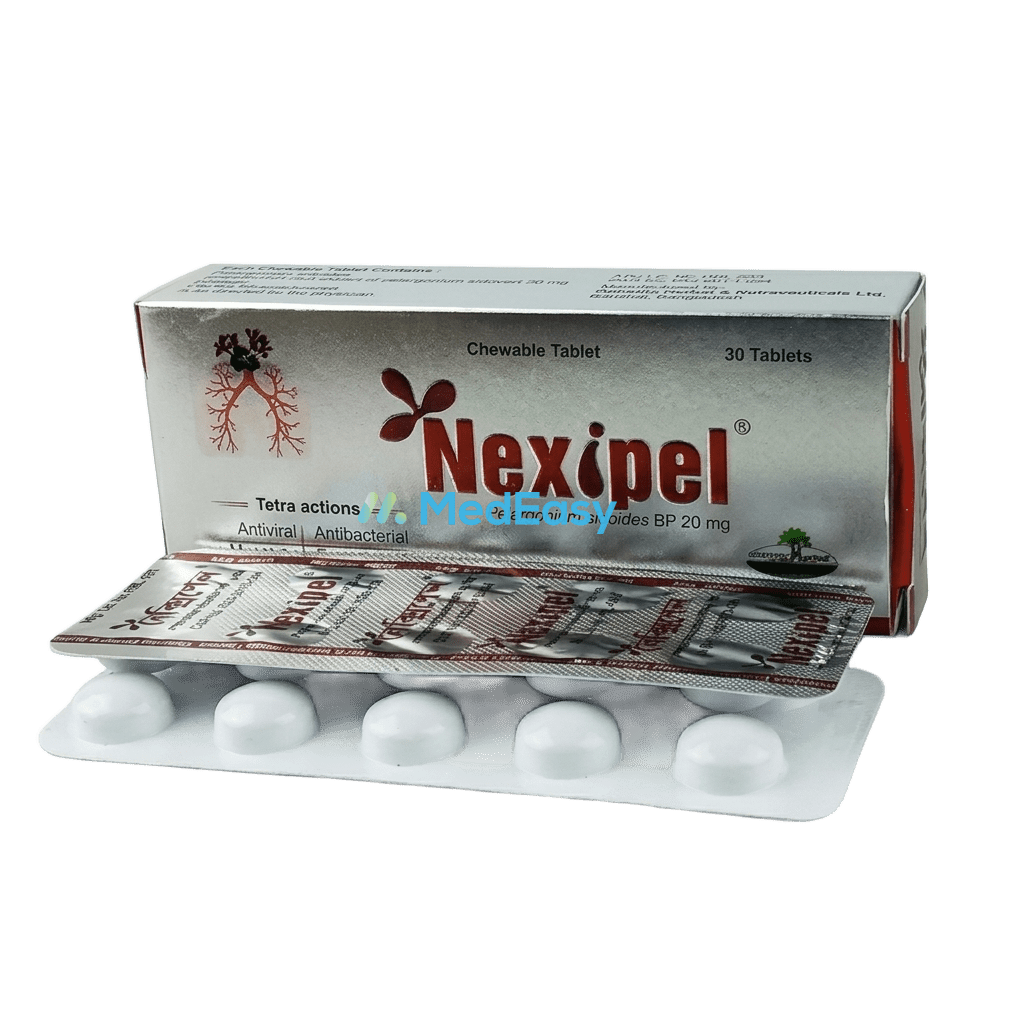
Generic medicine

Pelargonium Sidoides: Brands, Price & Uses in Bangladesh

Pelargonium Sidoides is a standardized herbal (phytopharmaceutical) root extract used for the symptomatic treatment of respiratory tract conditions.

Forms:Chewable Tablet

About Pelargonium Sidoides

Indications of Pelargonium Sidoides

Pelargonium Sidoides is a standardized herbal (phytopharmaceutical) root extract used for the symptomatic treatment of respiratory tract conditions. Indications are classified below by strength of supporting evidence.

Guideline/Evidence-Supported Uses

  • Acute bronchitis: Several randomized controlled trials and a Cochrane-reviewed body of evidence support use of Pelargonium Sidoides for modest reduction in the duration and severity of cough, sputum production, and other symptoms of uncomplicated acute bronchitis in adults and children.
  • Common cold / uncomplicated upper respiratory tract infection (URTI): Used for symptomatic relief of nasal congestion, sore throat, and cough associated with viral URTIs.

Adjunct Use

  • May be used as an adjunct to supportive care (rest, hydration, analgesics/antipyretics) for uncomplicated viral respiratory infections.

Important Limitation

Pelargonium Sidoides is not an antibiotic and is not a substitute for antimicrobial therapy when a bacterial infection requiring antibiotics (e.g., streptococcal pharyngitis, bacterial pneumonia, bacterial sinusitis) has been diagnosed by a physician.

Dosage & Administration of Pelargonium Sidoides

Acute Bronchitis / Common Cold Symptoms (Adults and Adolescents ≥ 12 years)

FormulationTypical DoseFrequency
Oral liquid drops (standard concentration)30 drops3 times daily
Film-coated tablet1 tablet (as labeled)3 times daily

Pediatric Dosing (where age-appropriate liquid formulations are used)

AgeTypical DoseFrequency
1–5 years10 drops3 times daily
6–11 years20 drops3 times daily
≥ 12 years and adults30 drops3 times daily

Use in children under 1 year of age is not recommended; safety and efficacy have not been established in this age group.

Duration

Treatment with Pelargonium Sidoides is typically continued for 7–10 days. If symptoms have not improved, or if they worsen, within that period, discontinue and consult a physician (see also Precautions).

Side Effects of Pelargonium Sidoides

Common

  • Mild gastrointestinal upset (nausea, dyspepsia, mild abdominal discomfort, loose stools)

Uncommon/Rare

  • Hypersensitivity reactions: skin rash, urticaria, pruritus, and rarely angioedema
  • Mild bleeding tendencies (e.g., gingival bleeding, epistaxis) reported rarely, particularly with concomitant anticoagulant/antiplatelet use — see Interactions
  • Rare reports of elevated liver enzymes or hepatotoxicity associated with Pelargonium Sidoides; discontinue and seek medical attention if signs of liver injury (jaundice, dark urine, unusual fatigue, right upper abdominal pain) occur — see Contraindications

Contraindications of Pelargonium Sidoides

  • Known hypersensitivity to Pelargonium Sidoides or to other plants of the Geraniaceae (geranium) family.
  • Severe hepatic impairment or active liver disease: Pelargonium Sidoides is contraindicated in patients with significant pre-existing liver disease, given rare post-marketing reports of hepatotoxicity associated with its use.

Bleeding disorders and use with anticoagulants are important cautions rather than absolute contraindications; see Precautions and Warnings and Interactions.

Frequently Asked Questions about Pelargonium Sidoides

What is Pelargonium Sidoides used for?

Pelargonium Sidoides is an herbal extract used to relieve symptoms of acute bronchitis and the common cold, such as cough, sputum production, and nasal/throat symptoms. It is not a substitute for antibiotics when a bacterial infection is diagnosed.

Can I take Pelargonium Sidoides together with blood thinners like warfarin or aspirin?

Use caution. Pelargonium Sidoides may theoretically increase bleeding risk when combined with anticoagulants or antiplatelet medicines such as warfarin, heparin, aspirin, or clopidogrel. Tell your physician about all medicines you take before starting Pelargonium Sidoides, and watch for unusual bruising or bleeding.

Is Pelargonium Sidoides safe during pregnancy or breastfeeding?

Safety data for Pelargonium Sidoides in pregnancy and breastfeeding are limited. It should be used in these situations only if clearly needed, and only after consulting a physician who can weigh the potential benefit against any potential risk.

Who should not take Pelargonium Sidoides?

Pelargonium Sidoides should not be used by anyone with a known allergy to Pelargonium Sidoides or related Geraniaceae (geranium family) plants, or by people with severe liver disease/active hepatic impairment, because of rare reports of liver injury associated with this product.

What side effects can Pelargonium Sidoides cause?

The most common side effects of Pelargonium Sidoides are mild stomach upset (nausea, indigestion, loose stools). Less commonly, allergic skin reactions, mild bleeding (such as gum bleeding or nosebleeds), or signs of liver problems can occur; stop Pelargonium Sidoides and see a doctor if you notice yellowing of the skin/eyes, dark urine, or unusual bruising/bleeding.

How long can I take Pelargonium Sidoides for a cold or bronchitis?

Pelargonium Sidoides is usually taken for about 7–10 days per illness episode. If your symptoms do not improve within a week, or if they get worse, or if you develop fever, chest pain, or difficulty breathing, stop Pelargonium Sidoides and see a physician promptly, as these can be signs of a bacterial infection needing antibiotics.

Disclaimer

The information provided is accurate to the best of our knowledge, but it does not replace professional medical advice. We cannot guarantee its completeness or accuracy, and the absence of specific information about a drug should not be taken as an endorsement. We are not responsible for any consequences arising from this information, so please consult a healthcare professional for any concerns or questions.

DoctorBlogArticles