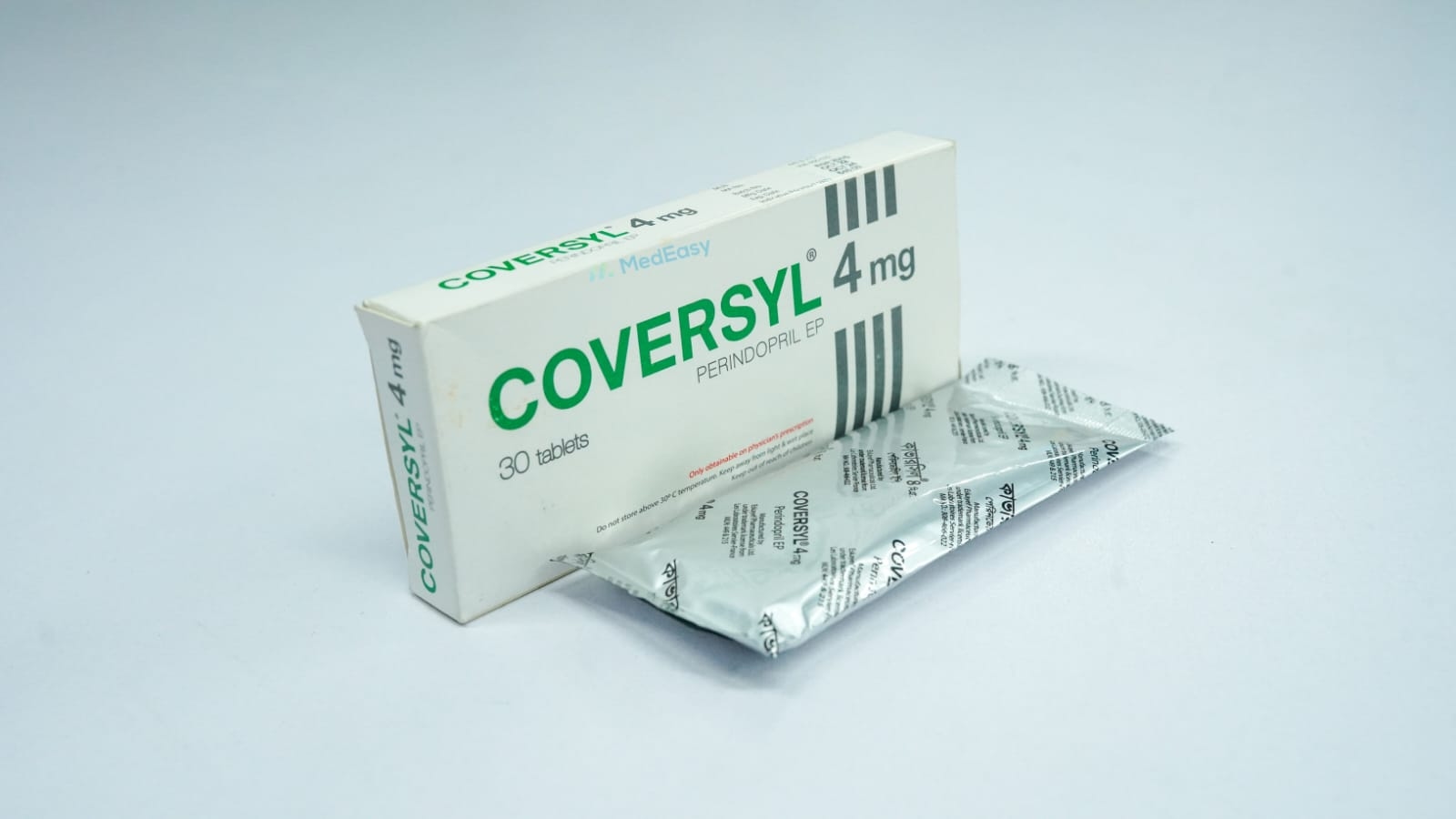
Generic medicine

Perindopril Arginine: Brands, Price & Uses in Bangladesh

Perindopril Arginine is an angiotensin-converting enzyme (ACE) inhibitor.

Forms:Tablet

About Perindopril Arginine

Indications of Perindopril Arginine

Perindopril Arginine is an angiotensin-converting enzyme (ACE) inhibitor. It is the arginine-salt form of perindopril, an alternative to the more commonly used erbumine (tert-butylamine) salt, and is chosen mainly for its improved chemical stability. The clinical uses of the two salt forms are the same because both release the same active moiety, perindopril.

Established / approved uses

  • Essential hypertension - used alone or in combination with other antihypertensive agents (e.g. a thiazide diuretic or a calcium channel blocker) to lower blood pressure.
  • Stable coronary artery disease - used to reduce the risk of cardiovascular death, non-fatal myocardial infarction, or cardiac arrest with successful resuscitation in patients with a history of myocardial infarction and/or revascularization.

Guideline-supported / adjunct use

  • Chronic heart failure - used as an adjunct to standard heart-failure therapy (diuretics, beta-blockers, mineralocorticoid-receptor antagonists) in stable patients, under close medical supervision, in countries where it carries this indication.

Perindopril Arginine is not indicated for use in children, and it is not a first-line agent for hypertensive emergencies.

Dosage & Administration of Perindopril Arginine

Hypertension (adults)

  • Initial dose: 4 mg once daily, taken in the morning before a meal.
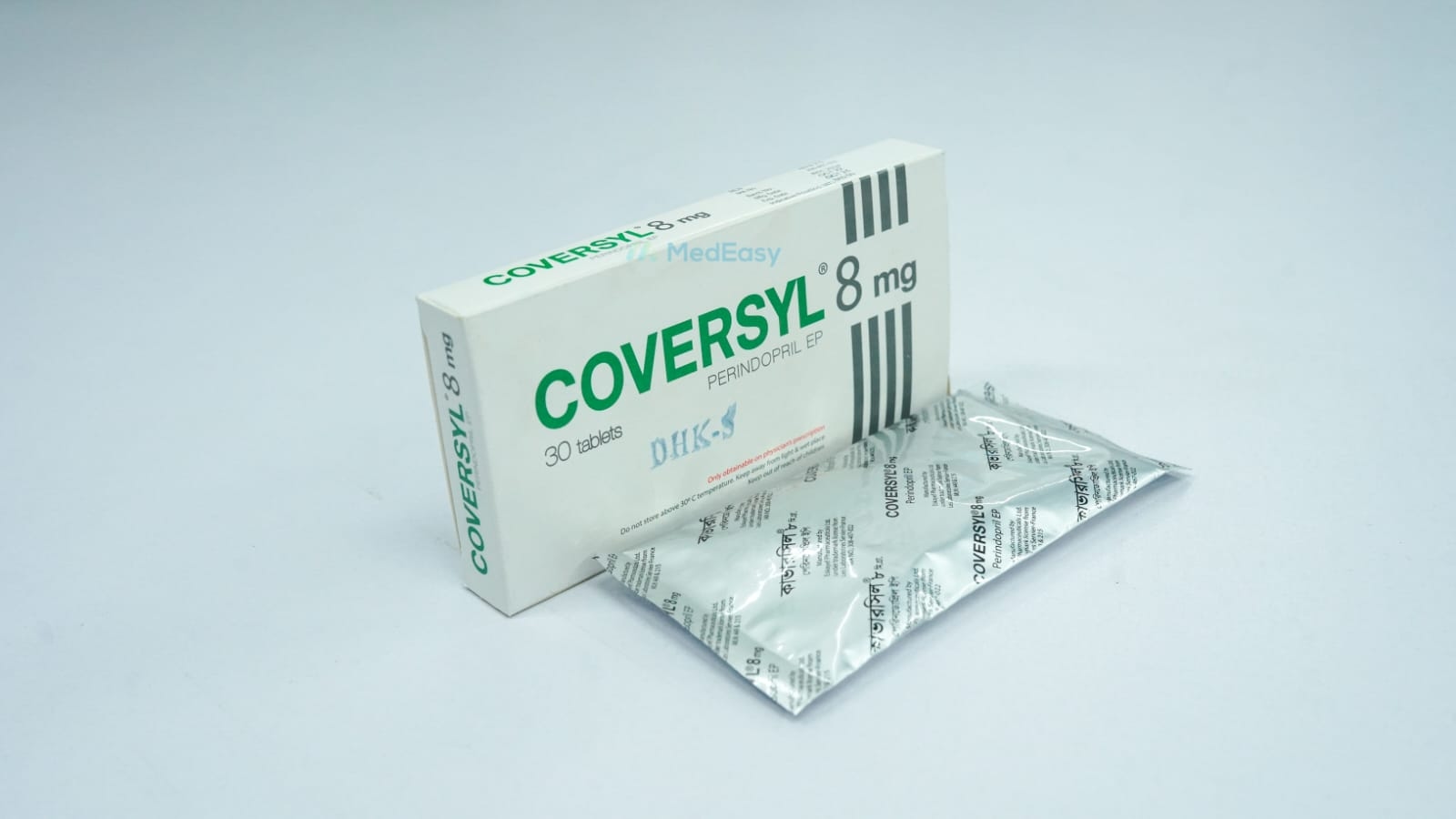
  • May be increased to a maintenance dose of 8 mg once daily after about one month, depending on blood pressure response.

Stable coronary artery disease (adults)

  • Initial dose: 4 mg once daily for two weeks.
  • If tolerated, increase to the target maintenance dose of 8 mg once daily, subject to renal function and blood pressure.

Chronic heart failure

  • Initial dose: 2 mg once daily in the morning, under close medical supervision (risk of first-dose hypotension).
  • May be increased gradually, generally to a maintenance dose of 4 mg once daily, according to individual response.

Elderly patients

  • Start with 4 mg or less once daily, and titrate more slowly and cautiously than in younger adults.

Renal impairment

Creatinine clearanceSuggested dose
30-60 mL/min2 mg to 2.5 mg once daily
15-30 mL/min2 mg to 2.5 mg every other day
<15 mL/min (including dialysis)2 mg to 2.5 mg on the day of dialysis only, under specialist supervision

See Precautions and Warnings for guidance on diuretic withdrawal before starting Perindopril Arginine, and see Contraindications for absolute restrictions.

Side Effects of Perindopril Arginine

Common: persistent dry cough, headache, dizziness, asthenia (weakness/fatigue), mood disturbances, sleep disturbances, and paresthesia.

Less common: taste disturbance (dysgeusia), nausea, abdominal pain, dyspepsia, skin rash, pruritus, and mild elevations in blood urea or creatinine.

Rare but serious: angioedema of the face, lips, tongue, glottis, and/or larynx (requires immediate discontinuation and emergency care - see Precautions and Warnings), hyperkalemia, neutropenia/agranulocytosis, hepatic dysfunction, and acute renal failure.

Patients should seek prompt medical attention for swelling of the face or throat, difficulty breathing or swallowing, or signs of infection (fever, sore throat) while taking Perindopril Arginine.

Contraindications of Perindopril Arginine

Perindopril Arginine is contraindicated in patients with:

  • Known hypersensitivity to Perindopril Arginine, to any other ACE inhibitor, or to any excipient in the product.
  • A history of angioedema associated with previous ACE inhibitor therapy.
  • Hereditary or idiopathic angioedema.
  • Pregnancy (see Pregnancy and Lactation).
  • Concomitant use with aliskiren-containing products in patients with diabetes mellitus or renal impairment (glomerular filtration rate <60 mL/min/1.73 m²).

Frequently Asked Questions about Perindopril Arginine

What is Perindopril Arginine used for?

Perindopril Arginine is an ACE inhibitor used to treat high blood pressure (hypertension) and stable coronary artery disease, and in some countries as an add-on treatment for chronic heart failure, to help protect the heart and reduce the risk of cardiovascular events.

Can I take Perindopril Arginine if I am pregnant?

No. Perindopril Arginine is contraindicated in pregnancy because it can cause serious fetal injury or death, particularly if used during the second or third trimester. If you become pregnant while taking Perindopril Arginine, stop the medicine and contact your doctor immediately so an alternative treatment can be arranged.

What are the most common side effects of Perindopril Arginine?

The most common side effects of Perindopril Arginine are a persistent dry cough, headache, dizziness, tiredness, and mood or sleep disturbances. Less commonly, taste changes, nausea, or skin rash can occur. Serious but rare effects include angioedema (swelling of the face, lips, tongue, or throat) and high potassium levels, which need urgent medical attention.

Can Perindopril Arginine be taken with other blood pressure medicines?

Perindopril Arginine is often combined with a diuretic or calcium channel blocker to improve blood pressure control, but combining it with another drug that acts on the renin-angiotensin system (such as an ARB or aliskiren) is generally not recommended, and is contraindicated with aliskiren in people with diabetes or kidney disease, due to increased risk of high potassium, low blood pressure, and kidney problems. Always tell your doctor about all medicines you take.

What should I do if I miss a dose or accidentally take too much Perindopril Arginine?

If you miss a dose of Perindopril Arginine, take it as soon as you remember unless it is almost time for the next dose - do not double up. If you or someone else has taken more Perindopril Arginine than prescribed, this can cause dangerously low blood pressure; seek immediate medical attention or contact emergency services/poison control rather than trying to manage it at home.

Is Perindopril Arginine safe for children or the elderly?

Perindopril Arginine has not been established as safe and effective in children and is not recommended for pediatric use. In elderly patients, it can be used but treatment is usually started at a lower dose (4 mg or less daily) with slower dose increases, because older adults may have reduced kidney function and greater sensitivity to blood-pressure-lowering effects.

Disclaimer

The information provided is accurate to the best of our knowledge, but it does not replace professional medical advice. We cannot guarantee its completeness or accuracy, and the absence of specific information about a drug should not be taken as an endorsement. We are not responsible for any consequences arising from this information, so please consult a healthcare professional for any concerns or questions.

DoctorBlogArticles