
Generic medicine

Pilocarpine Hydrochloride: Brands, Price & Uses in Bangladesh

Pilocarpine Hydrochloride is a cholinergic (parasympathomimetic) agonist used in two distinct clinical settings depending on its route of administration.

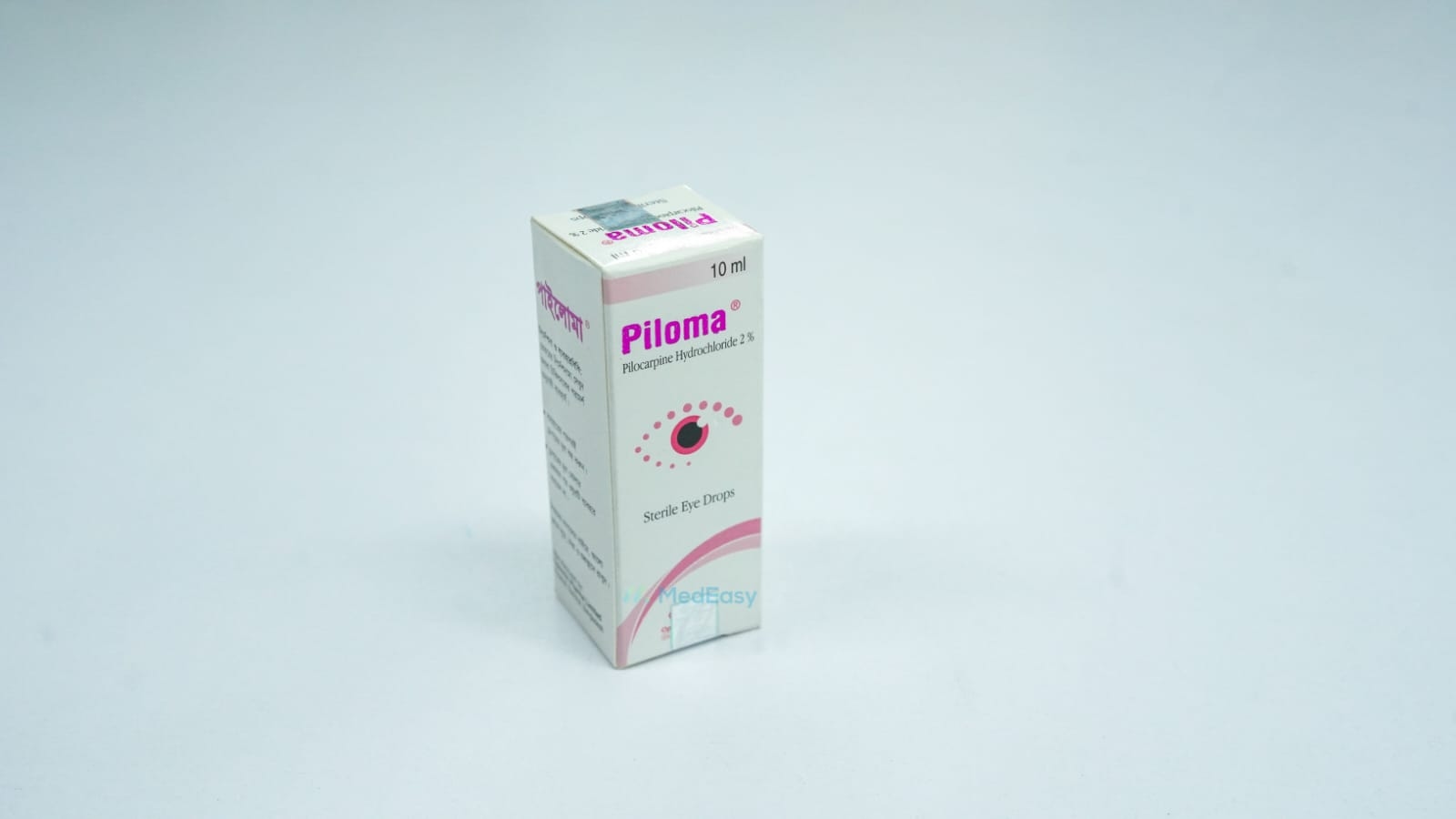
Forms:TabletOphthalmic SolutionSolution

About Pilocarpine Hydrochloride

Indications of Pilocarpine Hydrochloride

Pilocarpine Hydrochloride is a cholinergic (parasympathomimetic) agonist used in two distinct clinical settings depending on its route of administration.

Established / FDA-approved uses

  • Ophthalmic (eye drops): Reduction of elevated intraocular pressure in patients with open-angle glaucoma or ocular hypertension; induction of miosis (pupil constriction), including after mydriatic eye examinations, and management of acute angle-closure glaucoma as an adjunct prior to definitive surgical treatment.
  • Oral (tablets): Treatment of symptoms of dry mouth (xerostomia) caused by Sjögren's syndrome, and treatment of xerostomia caused by salivary gland hypofunction following head and neck radiotherapy.

Adjunct / combination use

  • Ophthalmic Pilocarpine Hydrochloride is often used together with, or as an adjunct to, other intraocular-pressure-lowering agents (e.g. beta-blockers, prostaglandin analogues) when a single agent does not achieve adequate control.

Pilocarpine Hydrochloride is not indicated for uses outside these established ophthalmic and oral labeled indications.

Dosage & Administration of Pilocarpine Hydrochloride

Ophthalmic use (glaucoma / ocular hypertension / miosis)

IndicationTypical adult dosing
Chronic open-angle glaucoma / ocular hypertensionOne to two drops of 1%–4% Pilocarpine Hydrochloride solution instilled into the affected eye(s) up to 3–4 times daily, as directed by the prescribing ophthalmologist; concentration and frequency are individualized to intraocular pressure response.
Induction of miosisOne to two drops of an appropriate strength instilled into the eye as a single dose or as directed.

Oral use (xerostomia)

IndicationTypical adult dosing
Dry mouth due to Sjögren's syndrome5 mg by mouth three times daily; dose may be adjusted by the physician based on response and tolerability, generally not exceeding 30 mg/day.
Dry mouth following head/neck radiotherapy5 mg by mouth three to four times daily, as directed by the physician.

Pilocarpine Hydrochloride tablets should be taken with food to reduce gastrointestinal upset. Ophthalmic Pilocarpine Hydrochloride should be instilled using proper technique, with gentle pressure on the tear duct (nasolacrimal occlusion) for 1–2 minutes after instillation to reduce systemic absorption. Pilocarpine Hydrochloride should always be used exactly as prescribed by the physician; do not change the dose or frequency without medical advice.

Side Effects of Pilocarpine Hydrochloride

Side effects of Pilocarpine Hydrochloride differ by route of administration, reflecting local versus systemic cholinergic stimulation.

Ophthalmic use

  • Browache and periorbital pain (very common, especially early in treatment)
  • Blurred vision and dim/decreased vision at night (due to miosis)
  • Local eye irritation, stinging, or redness
  • Rarely, retinal detachment in predisposed individuals

Oral use

  • Sweating (very common, dose-related, sometimes profuse)
  • Nausea and gastrointestinal upset
  • Flushing
  • Increased urinary frequency
  • Chills
  • Headache, dizziness, and rhinitis

These effects reflect the systemic parasympathomimetic action of Pilocarpine Hydrochloride and are usually dose-dependent; report severe or persistent symptoms to your physician.

Contraindications of Pilocarpine Hydrochloride

Pilocarpine Hydrochloride is contraindicated in:

  • Patients with known hypersensitivity to Pilocarpine Hydrochloride or any component of the formulation.
  • Oral Pilocarpine Hydrochloride: uncontrolled asthma, due to the risk of cholinergically-mediated bronchospasm.
  • Conditions in which miosis is undesirable, such as acute iritis, where pupillary constriction may worsen the clinical situation (applies to ophthalmic use).

Frequently Asked Questions about Pilocarpine Hydrochloride

What is Pilocarpine Hydrochloride used for?

Pilocarpine Hydrochloride is used in two main ways: as eye drops to lower elevated eye pressure in glaucoma or ocular hypertension and to constrict the pupil, and as oral tablets to treat dry mouth (xerostomia) caused by Sjögren's syndrome or head/neck radiation therapy.

Can I use the oral tablet and eye drop form of Pilocarpine Hydrochloride interchangeably?

No. The oral and ophthalmic forms of Pilocarpine Hydrochloride are formulated and dosed for different, non-interchangeable indications. Always use the specific product and route prescribed by your physician.

Why does oral Pilocarpine Hydrochloride make me sweat so much?

Sweating is the most common side effect of oral Pilocarpine Hydrochloride because it stimulates exocrine glands throughout the body, including sweat glands, as part of its systemic cholinergic (parasympathomimetic) action. This is usually dose-related; tell your doctor if sweating is severe or bothersome so your dose can be adjusted.

Is Pilocarpine Hydrochloride safe to use during pregnancy?

Data on Pilocarpine Hydrochloride use in pregnancy are limited. It should be used during pregnancy only if clearly needed and if the potential benefit to the mother justifies the potential risk to the fetus; always consult your physician before use.

Who should not use oral Pilocarpine Hydrochloride?

Oral Pilocarpine Hydrochloride is contraindicated in people with uncontrolled asthma because it can trigger bronchospasm, and in anyone with known hypersensitivity to Pilocarpine Hydrochloride. It should also be used cautiously in people with significant heart disease, controlled asthma/COPD, or biliary tract disease.

What should I do if I think I have taken too much Pilocarpine Hydrochloride?

Overdose of Pilocarpine Hydrochloride, especially the oral form, can cause severe sweating, salivation, nausea, vomiting, slow heart rate, and low blood pressure. Seek immediate medical attention or contact a poison control center/emergency services right away; do not try to treat an overdose at home.

Disclaimer

The information provided is accurate to the best of our knowledge, but it does not replace professional medical advice. We cannot guarantee its completeness or accuracy, and the absence of specific information about a drug should not be taken as an endorsement. We are not responsible for any consequences arising from this information, so please consult a healthcare professional for any concerns or questions.
DoctorBlogArticles