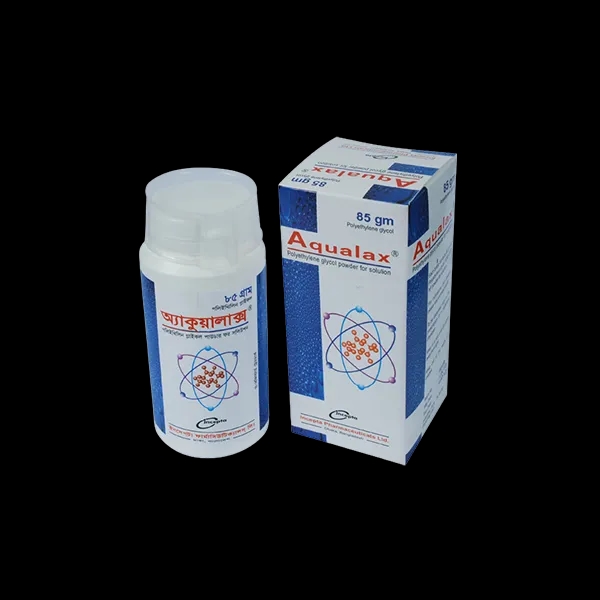
Generic medicine

Polyethylene Glycol: Brands, Price & Uses in Bangladesh

Polyethylene Glycol is an osmotic laxative with the following evidence-based uses: Established / Approved Uses Occasional constipation: Over-the-counter Polyethylene Glycol 3350 powder for oral…

Forms:Powder for Solution

About Polyethylene Glycol

Indications of Polyethylene Glycol

Polyethylene Glycol is an osmotic laxative with the following evidence-based uses:

Established / Approved Uses

  • Occasional constipation: Over-the-counter Polyethylene Glycol 3350 powder for oral solution is approved for short-term relief of occasional constipation, typically producing a bowel movement within 1 to 3 days.
  • Bowel preparation before colonoscopy: Higher-dose, specifically formulated Polyethylene Glycol-electrolyte solutions (combined with sodium sulfate, sodium chloride, sodium bicarbonate, and/or potassium chloride) are approved for full colonic lavage prior to colonoscopy or bowel surgery.

Guideline-Supported / Commonly Used Off-Label Uses

  • Chronic idiopathic constipation: Daily low-dose Polyethylene Glycol is widely recommended by gastroenterology guidelines (e.g., American College of Gastroenterology) as a first-line osmotic laxative for chronic constipation.
  • Fecal impaction and pediatric functional constipation: High-dose, short-course Polyethylene Glycol disimpaction regimens followed by lower daily maintenance doses are supported by pediatric gastroenterology guidance (e.g., NASPGHAN/ESPGHAN), used under physician supervision.

Polyethylene Glycol is not an antibiotic and has no role in treating infections.

Dosage & Administration of Polyethylene Glycol

IndicationPopulationTypical Dose
Occasional constipationAdults and children 17 years and older17 g of Polyethylene Glycol powder dissolved in 120–240 mL (4–8 oz) of water or beverage, taken once daily; use for no more than 7 days unless directed by a physician
Chronic constipation (off-label, physician-directed)Adults17 g once daily, adjusted to response, under medical supervision for longer-term use
Pediatric functional constipation / disimpaction (physician-directed)ChildrenWeight-based dosing determined by the treating physician; not for unsupervised use in children 16 years and younger
Bowel preparation before colonoscopyAdults (per specific product labeling)Full-volume or split-dose Polyethylene Glycol-electrolyte solution as directed by the product label and physician, consumed the evening before and/or morning of the procedure

See Administration for preparation instructions and Use in Special Populations for renal impairment considerations.

Side Effects of Polyethylene Glycol

Side effects of Polyethylene Glycol are generally mild and dose-related.

  • Common: Abdominal bloating, cramping, flatulence, nausea, and loose or watery, more frequent stools.
  • Less common, more often with bowel-preparation doses: Vomiting, abdominal fullness, and transient electrolyte imbalance (see Precautions and Warnings and Use in Special Populations).
  • Rare: Hypersensitivity reactions.

Contraindications of Polyethylene Glycol

Polyethylene Glycol is contraindicated in patients with:

  • Known hypersensitivity to Polyethylene Glycol or any component of the formulation.
  • Known or suspected bowel obstruction or bowel perforation.
  • Toxic megacolon or severe ileus (for bowel-preparation formulations).

Frequently Asked Questions about Polyethylene Glycol

What is Polyethylene Glycol used for?

Polyethylene Glycol is an osmotic laxative used to relieve occasional constipation and, in higher-dose electrolyte formulations, to cleanse the bowel before colonoscopy or bowel surgery.

How quickly does Polyethylene Glycol work?

For occasional constipation, Polyethylene Glycol typically produces a bowel movement within 1 to 3 days. Bowel-preparation doses of Polyethylene Glycol act much faster, usually within a few hours.

Can Polyethylene Glycol be used every day for a long time?

Over-the-counter Polyethylene Glycol should not be used for more than 7 days without medical advice. Longer-term daily use of Polyethylene Glycol for chronic constipation should only be done under a physician's supervision.

Is Polyethylene Glycol safe during pregnancy?

Polyethylene Glycol has minimal systemic absorption and is generally considered a low-risk option for constipation in pregnancy, but it should be used only if clearly needed and the potential benefit justifies any potential risk; a physician should be consulted before use.

What are the common side effects of Polyethylene Glycol?

Common side effects of Polyethylene Glycol include bloating, gas, nausea, cramping, and loose or watery stools. Severe diarrhea, vomiting, or signs of dehydration should prompt medical attention.

Who should not take Polyethylene Glycol?

Polyethylene Glycol should not be used by people with a known or suspected bowel obstruction or perforation, or a known hypersensitivity to Polyethylene Glycol. Patients with kidney disease should use it only under medical supervision.

Disclaimer

The information provided is accurate to the best of our knowledge, but it does not replace professional medical advice. We cannot guarantee its completeness or accuracy, and the absence of specific information about a drug should not be taken as an endorsement. We are not responsible for any consequences arising from this information, so please consult a healthcare professional for any concerns or questions.

DoctorBlogArticles