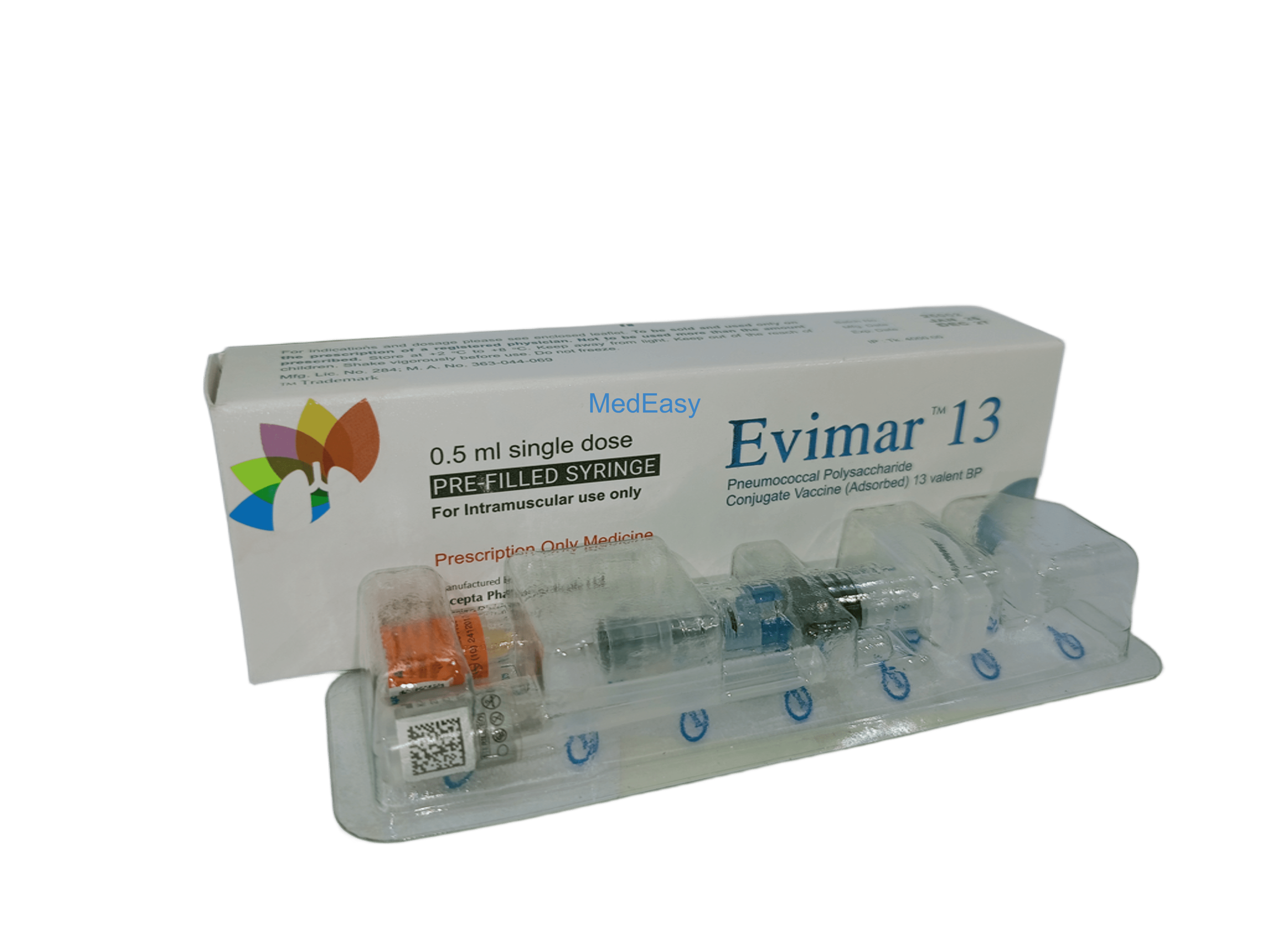
Generic medicine

Polysaccharide Pneumococcal Vaccine: Brands, Price & Uses in Bangladesh

Polysaccharide Pneumococcal Vaccine is indicated for active immunization for the prevention of invasive pneumococcal disease (e.g., bacteremia and more.

Forms:IM InjectionIM/SC InjectionIM/Deep SC InjectionSC Injection

About Polysaccharide Pneumococcal Vaccine

Indications of Polysaccharide Pneumococcal Vaccine

Polysaccharide Pneumococcal Vaccine is indicated for active immunization for the prevention of invasive pneumococcal disease (e.g., bacteremia, meningitis) and pneumonia caused by the 23 Streptococcus pneumoniae serotypes contained in the vaccine.

Established/Guideline-Supported Uses

  • Adults aged 65 years and older (routine immunization).
  • Adults 19-64 years with chronic conditions (e.g., chronic heart, lung, or liver disease; diabetes mellitus; alcoholism; cigarette smoking).
  • Persons aged 2 years and older with functional or anatomic asplenia (including sickle cell disease), cerebrospinal fluid leak, or cochlear implants.
  • Immunocompromised persons aged 2 years and older (e.g., HIV infection, chronic renal failure, nephrotic syndrome, leukemia, lymphoma, generalized malignancy, organ or bone marrow transplantation, or those on immunosuppressive chemotherapy including long-term systemic corticosteroids).
  • Residents of nursing homes or long-term care facilities.

Use in Combination with Other Vaccines

In certain adults and high-risk children, national immunization schedules recommend sequential use of a pneumococcal conjugate vaccine followed by Polysaccharide Pneumococcal Vaccine to broaden serotype coverage; the two vaccine types are not interchangeable and Polysaccharide Pneumococcal Vaccine does not replace conjugate vaccination where that is indicated.

Not indicated for children under 2 years of age, as this age group does not reliably develop a protective antibody response to the polysaccharide antigens in Polysaccharide Pneumococcal Vaccine.

Dosage & Administration of Polysaccharide Pneumococcal Vaccine

Adults

PopulationDoseRoute
Adults ≥ 65 years, or 19-64 years with qualifying risk factorsSingle 0.5 mL doseIntramuscular (preferred) or subcutaneous injection

Pediatric (2 years and older)

PopulationDoseRoute
Children ≥ 2 years with qualifying high-risk conditionsSingle 0.5 mL doseIntramuscular or subcutaneous injection

Not recommended for children younger than 2 years (see Pediatric Use).

Timing Around Immunosuppression/Splenectomy

When elective splenectomy or planned immunosuppressive therapy (e.g., chemotherapy, radiation) is anticipated, Polysaccharide Pneumococcal Vaccine should ideally be given at least 2 weeks beforehand. When chemotherapy or radiation has already been given, vaccination with Polysaccharide Pneumococcal Vaccine should generally be deferred for at least 3 months.

Revaccination

Routine revaccination of immunocompetent persons is not generally recommended. A single revaccination dose of Polysaccharide Pneumococcal Vaccine may be considered after 5 years in specific high-risk groups (e.g., asplenia, immunocompromise) per national/ACIP-type guidance, with an interval of at least 3 years between doses to reduce the risk of increased local reactions.

Polysaccharide Pneumococcal Vaccine must never be administered intravenously or intradermally.

Side Effects of Polysaccharide Pneumococcal Vaccine

Common (may affect more than 1 in 10 people)

  • Injection-site pain, soreness, or tenderness
  • Injection-site swelling, induration, or redness (erythema)
  • Low-grade fever
  • Headache
  • Fatigue and myalgia (muscle aches)

Uncommon/Rare

  • High fever
  • Lymphadenopathy near the injection site
  • Localized limb swelling

Rare but Serious

  • Severe allergic reaction/anaphylaxis (see Contraindications)
  • Guillain-Barré syndrome
  • Serum sickness-like reaction
  • Thrombocytopenia (in individuals with pre-existing platelet disorders)

Most reactions to Polysaccharide Pneumococcal Vaccine are mild and self-limited, resolving within a few days. Revaccination may be associated with more pronounced local reactions than the initial dose, particularly in older adults.

Contraindications of Polysaccharide Pneumococcal Vaccine

Polysaccharide Pneumococcal Vaccine is contraindicated in individuals with a history of a severe allergic reaction (e.g., anaphylaxis) to a previous dose of Polysaccharide Pneumococcal Vaccine or to any component of the vaccine.

Frequently Asked Questions about Polysaccharide Pneumococcal Vaccine

What is Polysaccharide Pneumococcal Vaccine used for?

Polysaccharide Pneumococcal Vaccine is used to help prevent invasive pneumococcal disease, such as bacteremia and meningitis, and pneumonia caused by 23 common serotypes of Streptococcus pneumoniae bacteria. It is recommended for older adults, and for children 2 years and older and adults with certain chronic illnesses or weakened immune systems.

How is Polysaccharide Pneumococcal Vaccine given?

Polysaccharide Pneumococcal Vaccine is given as a single 0.5 mL injection into a muscle or under the skin by a healthcare professional. It is not given as a course of doses like some other vaccines.

Who should not receive Polysaccharide Pneumococcal Vaccine?

Anyone who has had a severe allergic reaction (such as anaphylaxis) to a previous dose of Polysaccharide Pneumococcal Vaccine or to any of its ingredients should not receive it. Vaccination should also be postponed, not avoided permanently, during a moderate-to-severe acute illness until recovery.

What are the common side effects of Polysaccharide Pneumococcal Vaccine?

The most common side effects of Polysaccharide Pneumococcal Vaccine are pain, redness, or swelling at the injection site, along with mild fever, headache, tiredness, and muscle aches. These usually resolve within a few days without treatment.

Can Polysaccharide Pneumococcal Vaccine be given during pregnancy or breastfeeding?

Polysaccharide Pneumococcal Vaccine should be used during pregnancy only if clearly needed, with the potential benefit weighing against any potential risk to the fetus, and only after consulting a physician. Caution is similarly advised during breastfeeding, and a physician should be consulted first.

Will I need a booster dose of Polysaccharide Pneumococcal Vaccine?

Most healthy adults do not need routine revaccination. However, certain high-risk individuals (for example, those with a damaged or absent spleen or a weakened immune system) may be advised by their physician to receive one additional dose of Polysaccharide Pneumococcal Vaccine after at least 5 years. Your doctor will advise if this applies to you.

Disclaimer

The information provided is accurate to the best of our knowledge, but it does not replace professional medical advice. We cannot guarantee its completeness or accuracy, and the absence of specific information about a drug should not be taken as an endorsement. We are not responsible for any consequences arising from this information, so please consult a healthcare professional for any concerns or questions.

DoctorBlogArticles