Generic medicine

Prasugrel Hydrochloride: Brands, Price & Uses in Bangladesh

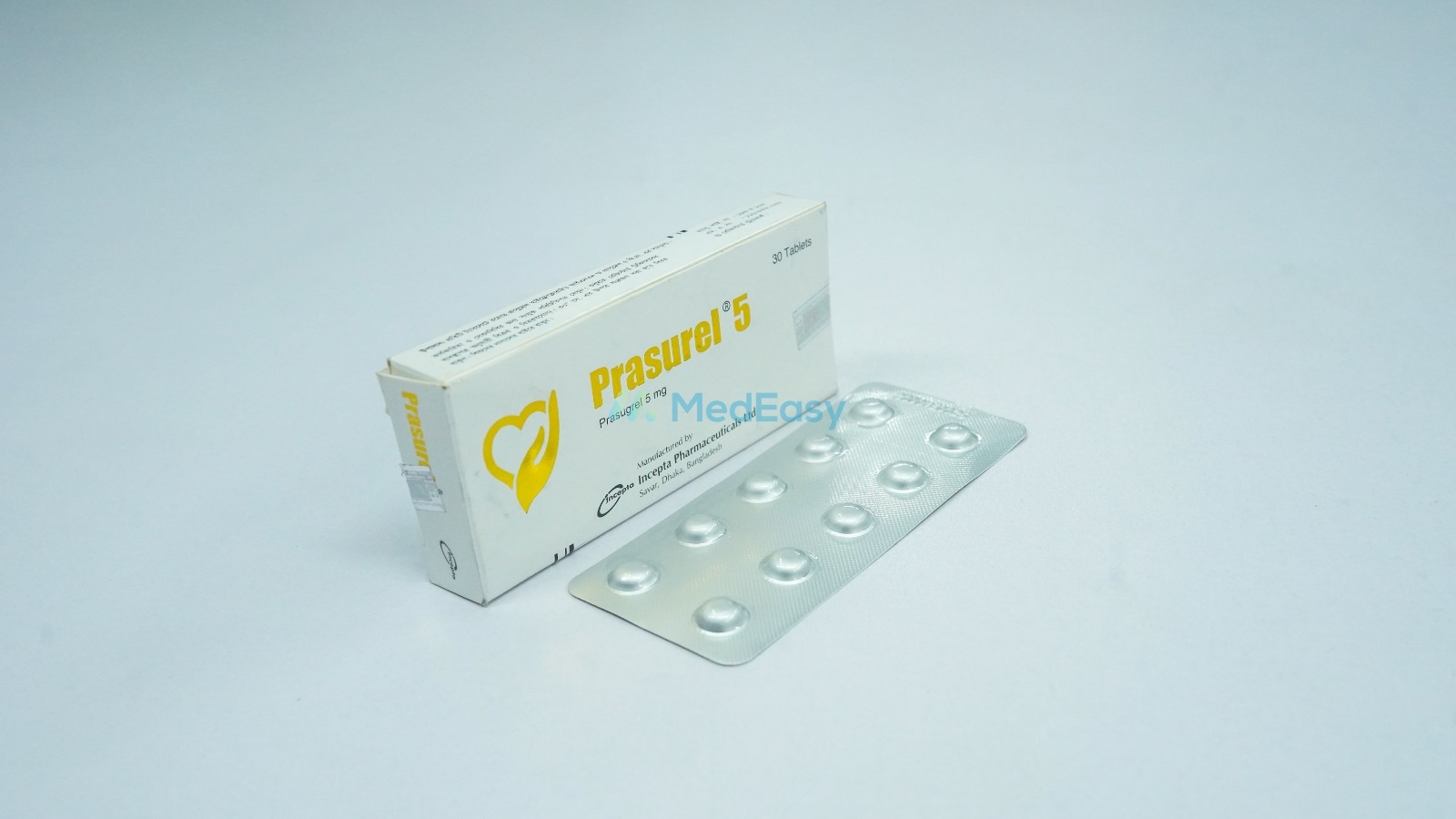
Prasugrel Hydrochloride is an oral antiplatelet agent (P2Y12 inhibitor) indicated to reduce the rate of thrombotic cardiovascular events, including stent thrombosis and more.

Forms:Tablet

About Prasugrel Hydrochloride

Indications of Prasugrel Hydrochloride

Prasugrel Hydrochloride is an oral antiplatelet agent (P2Y12 inhibitor) indicated to reduce the rate of thrombotic cardiovascular events, including stent thrombosis, in patients with acute coronary syndrome (ACS) who are managed with percutaneous coronary intervention (PCI).

  • Unstable angina (UA) or non-ST-elevation myocardial infarction (NSTEMI) managed with PCI — established, FDA-approved use.
  • ST-elevation myocardial infarction (STEMI) managed with primary or delayed PCI — established, FDA-approved use.

Prasugrel Hydrochloride must always be used in combination with aspirin; it is not intended as monotherapy. It is not indicated for patients managed medically without PCI, and is not recommended for routine use in patients ≥75 years of age.

Dosage & Administration of Prasugrel Hydrochloride

Prasugrel Hydrochloride should be initiated with a single oral loading dose and continued as a once-daily maintenance dose, always in combination with aspirin (75-325 mg daily, usually 75-100 mg).

Patient groupLoading doseMaintenance dose
Adults, general (ACS managed with PCI)60 mg once10 mg once daily
Body weight <60 kg60 mg once5 mg once daily (dose reduction recommended)
Age ≥75 yearsGenerally not recommended; if used in a high-risk situation (e.g. diabetes, prior MI) at physician discretion5 mg once daily if used

Treatment is usually continued for up to 12 months unless discontinued earlier by the treating physician, for example before surgery (see Precautions and Warnings). Prasugrel Hydrochloride may be taken with or without food. Patients undergoing PCI who are not already receiving a P2Y12 inhibitor should receive the loading dose as soon as the coronary anatomy is known and a decision has been made to proceed with PCI.

Side Effects of Prasugrel Hydrochloride

The predominant and clinically most important adverse effect of Prasugrel Hydrochloride is bleeding, which can occasionally be severe or fatal.

  • Common: bruising/ecchymosis, epistaxis (nosebleed), hematoma, gastrointestinal hemorrhage, rash, mild anemia.
  • Uncommon: hypersensitivity reactions (including angioedema), eye (conjunctival/retinal) hemorrhage, hemoptysis, hematuria.
  • Rare but serious: intracranial hemorrhage, other major or life-threatening bleeding, thrombocytopenia, thrombotic thrombocytopenic purpura (TTP).

Patients should seek urgent medical attention for unusual bruising, black/bloody stools, blood in urine or vomit, or any unexplained, prolonged, or severe bleeding while taking Prasugrel Hydrochloride.

Contraindications of Prasugrel Hydrochloride

Prasugrel Hydrochloride is contraindicated in:

  • Known hypersensitivity to prasugrel or any component of the formulation.
  • Active pathological bleeding, such as peptic ulcer bleeding or intracranial hemorrhage.
  • History of stroke or transient ischemic attack (TIA) - an absolute contraindication due to a markedly increased risk of intracranial hemorrhage seen in this population.

Frequently Asked Questions about Prasugrel Hydrochloride

What is Prasugrel Hydrochloride used for?

Prasugrel Hydrochloride is used together with aspirin to reduce the risk of blood clots, heart attack, or stroke in people with acute coronary syndrome (unstable angina, NSTEMI, or STEMI) who have had a coronary stent placed via percutaneous coronary intervention (PCI).

Can I stop taking Prasugrel Hydrochloride on my own if I feel fine?

No. Stopping Prasugrel Hydrochloride early, especially soon after stent placement, significantly increases the risk of stent thrombosis, heart attack, and death. Always consult your cardiologist before stopping or changing this medicine, even before other planned procedures.

Who should not take Prasugrel Hydrochloride?

Prasugrel Hydrochloride should not be used by people who are allergic to it, who have active bleeding (such as a bleeding stomach ulcer or bleeding in the brain), or who have a history of stroke or transient ischemic attack (TIA), because it can markedly increase the risk of bleeding in the brain in these patients.

What is the most important side effect to watch for?

The most important risk with Prasugrel Hydrochloride is bleeding, which can occasionally be serious or life-threatening. Seek urgent medical attention if you notice unusual bruising, nosebleeds that will not stop, blood in your stool or urine, vomiting blood, or coughing up blood.

Is Prasugrel Hydrochloride safe during pregnancy or breastfeeding?

Data are limited. Prasugrel Hydrochloride should be used in pregnancy only if the potential benefit outweighs the potential risk to the fetus, and a doctor should be consulted about breastfeeding, since it is not known whether the drug passes into breast milk.

Do I need a lower dose if I am elderly or have low body weight?

Yes. In patients aged 75 years or older or weighing less than 60 kg, doctors generally use a reduced 5 mg daily maintenance dose of Prasugrel Hydrochloride (after the usual loading dose) because of higher bleeding risk in these groups; use in patients ≥75 years is generally avoided unless there is a specific high-risk reason to use it.

Disclaimer

The information provided is accurate to the best of our knowledge, but it does not replace professional medical advice. We cannot guarantee its completeness or accuracy, and the absence of specific information about a drug should not be taken as an endorsement. We are not responsible for any consequences arising from this information, so please consult a healthcare professional for any concerns or questions.

DoctorBlogArticles