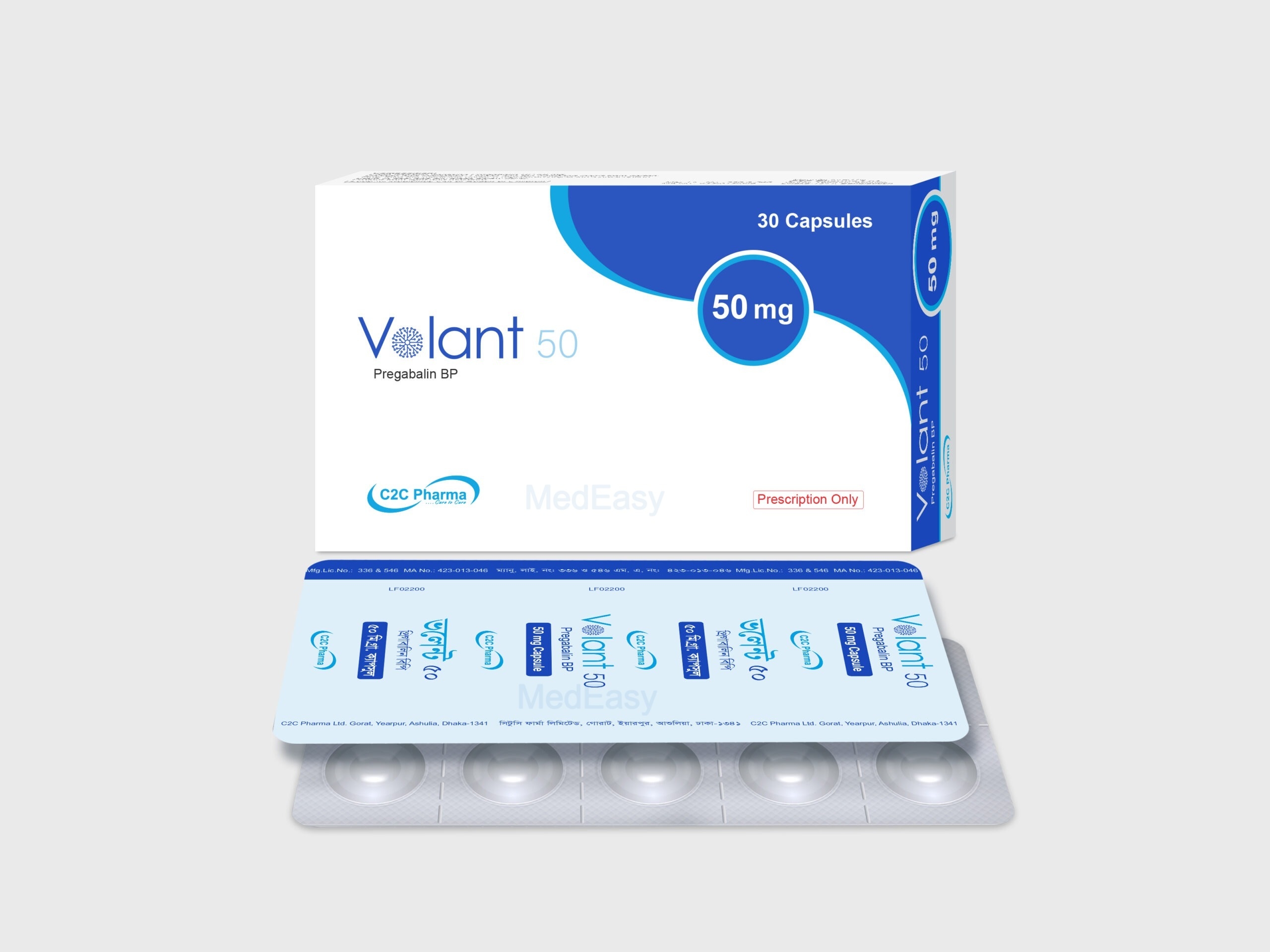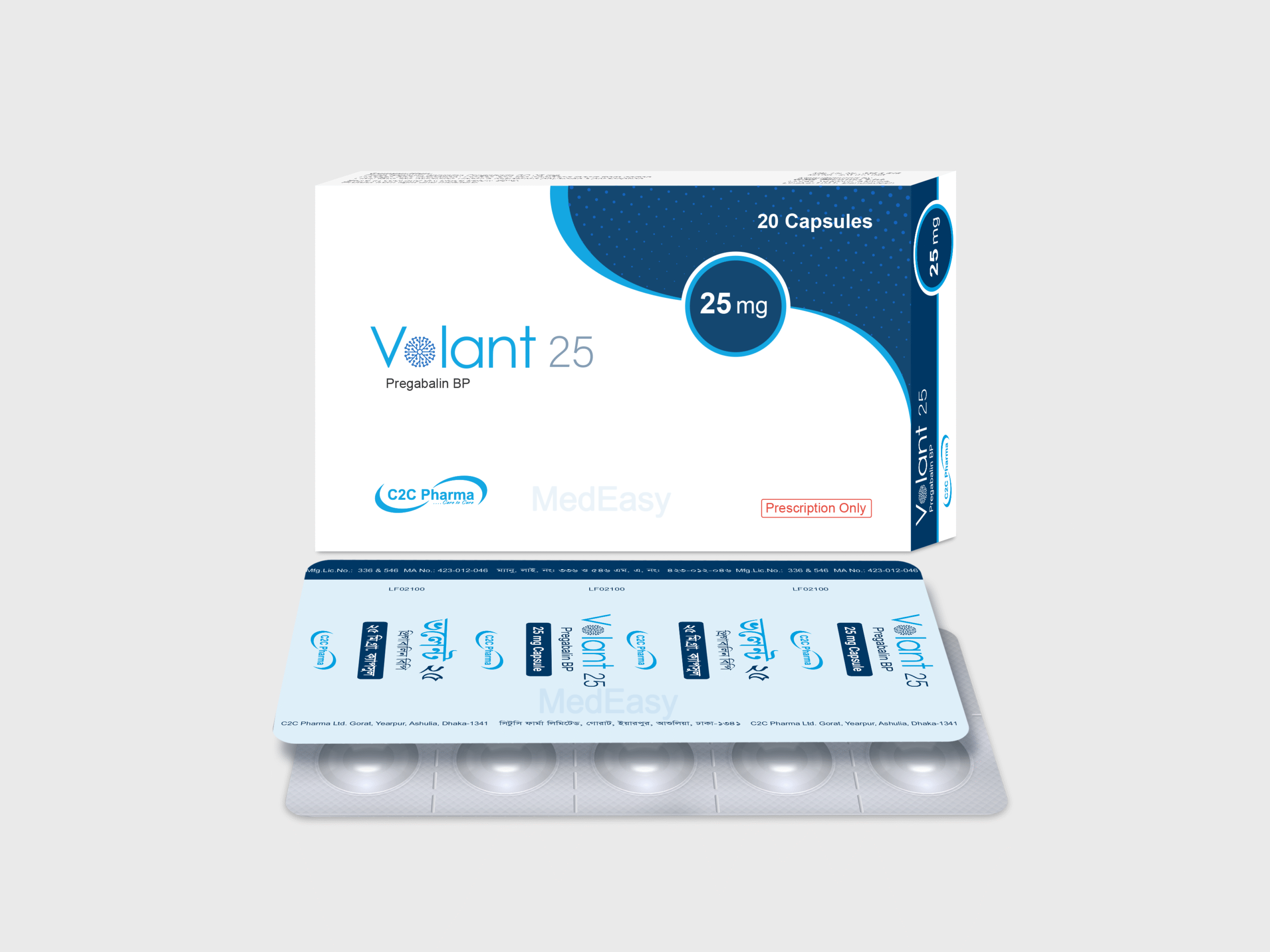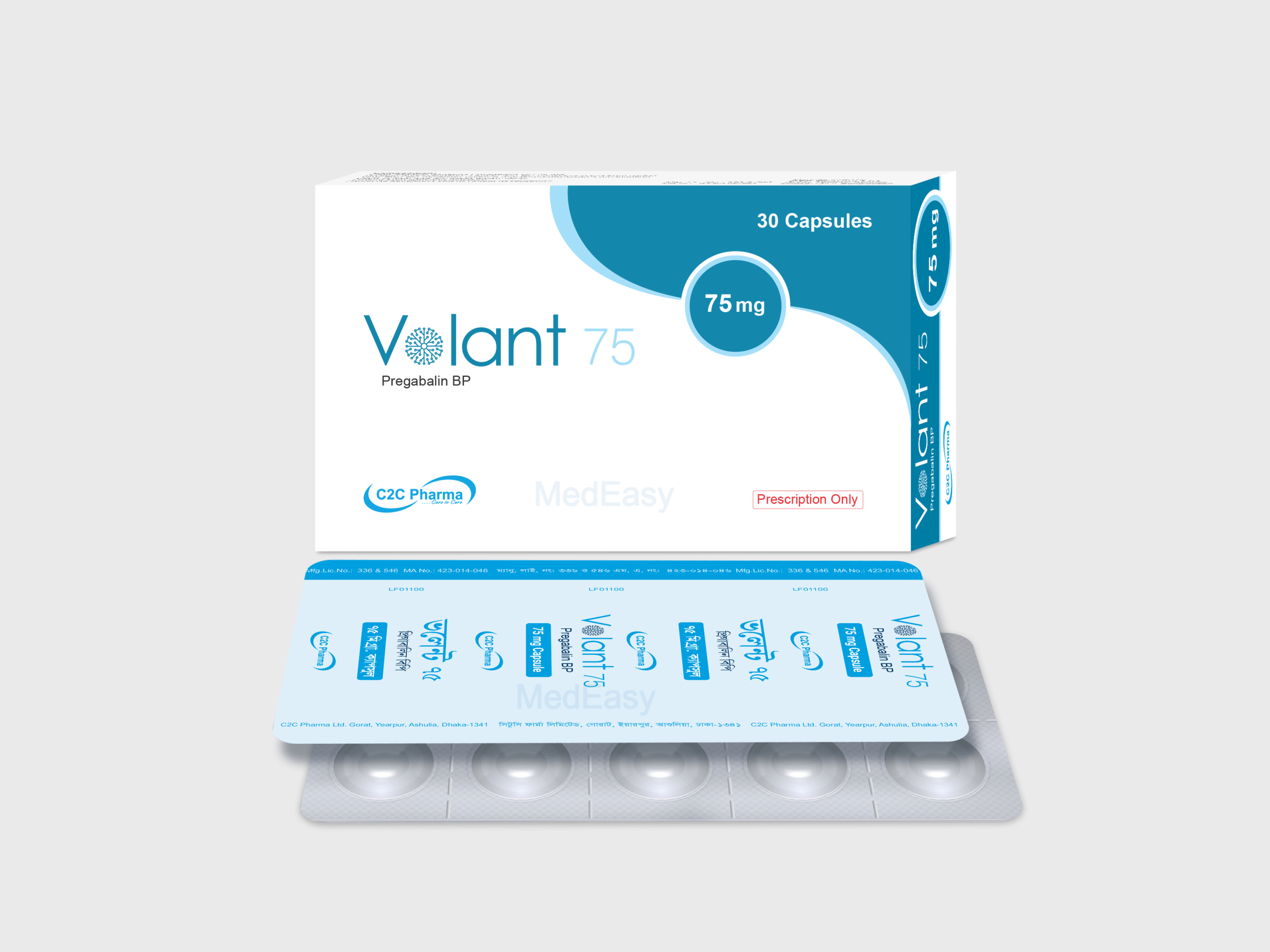
Generic medicine

Pregabalin: Brands, Price & Uses in Bangladesh

Pregabalin is indicated for the following conditions: Established / FDA-approved uses Neuropathic pain associated with diabetic peripheral neuropathy (DPN) Postherpetic neuralgia (PHN) — nerve pain…

Forms:CapsuleTablet (Extended Release)Tablet (Controlled Release)

About Pregabalin

Indications of Pregabalin

Pregabalin is indicated for the following conditions:

Established / FDA-approved uses

  • Neuropathic pain associated with diabetic peripheral neuropathy (DPN)
  • Postherpetic neuralgia (PHN) — nerve pain following shingles
  • Fibromyalgia — for management of widespread musculoskeletal pain
  • Adjunctive therapy for partial-onset seizures in adults and pediatric patients 1 month of age and older, used together with other anti-seizure medicines (not for use as a single/sole agent)
  • Neuropathic pain associated with spinal cord injury

Off-label / additional uses (variable evidence)

  • Generalized anxiety disorder (GAD) — approved in some countries outside the US; used off-label elsewhere based on clinical judgement
  • Chronic low back pain with a neuropathic component and restless legs syndrome — used off-label in select patients; evidence is limited and this is not a primary approved indication

Use of Pregabalin should always be guided by a qualified physician based on individual diagnosis.

Dosage & Administration of Pregabalin

Dosing of Pregabalin is individualized by indication, renal function, and patient response. Doses should be titrated gradually to reduce the risk of dizziness and somnolence.

IndicationStarting doseTitrationMaximum dose
Diabetic peripheral neuropathy50 mg 3 times/day (150 mg/day)May increase to 100 mg 3 times/day within 1 week based on response/tolerability300 mg/day
Postherpetic neuralgia75 mg twice/day or 50 mg 3 times/day (150 mg/day)May increase to 300 mg/day within 1 week; up to 600 mg/day after 2-4 weeks if pain is inadequately controlled and the dose is tolerated600 mg/day
Fibromyalgia75 mg twice/day (150 mg/day)May increase to 150 mg twice/day within 1 week; further increase to 225 mg twice/day if needed450 mg/day
Adjunctive therapy, partial-onset seizures (adults)150 mg/day in 2-3 divided dosesMay increase weekly based on response/tolerability600 mg/day
Neuropathic pain, spinal cord injury75 mg twice/day (150 mg/day)May increase to 150 mg twice/day within 1 week; up to 300 mg twice/day after 2-3 weeks if needed and tolerated600 mg/day

Pediatric dosing (adjunctive partial-onset seizures, age 1 month and older)

Dosing is weight-based (approximately 3.5-14 mg/kg/day in divided doses depending on age and body weight), started at a low dose and titrated gradually; see full prescribing information for the age/weight-specific schedule. Safety and efficacy for other indications (neuropathic pain, fibromyalgia) have not been established in patients under 18 years.

Renal impairment (immediate-release)

Creatinine clearance (CrCl)Dose adjustment
≥60 mL/minNo adjustment; use standard dosing
30-60 mL/minReduce total daily dose by ~50%
15-30 mL/minReduce total daily dose by ~75%
<15 mL/minReduce total daily dose by ~87.5% (lowest effective dose)
HemodialysisSupplemental dose after each 4-hour hemodialysis session

Extended-release Pregabalin is not recommended in patients with CrCl below 30 mL/min. No dose adjustment is required for hepatic impairment, as Pregabalin undergoes negligible hepatic metabolism.

When discontinuing Pregabalin, the dose should be tapered gradually over a minimum of 1 week rather than stopped abruptly (see Precautions and Warnings).

Side Effects of Pregabalin

Common side effects of Pregabalin (may affect more than 1 in 10 people) include:

  • Dizziness and somnolence (drowsiness)
  • Dry mouth
  • Peripheral edema (swelling of hands/feet)
  • Blurred vision
  • Weight gain and increased appetite
  • Difficulty with concentration/attention, ataxia (unsteady gait), fatigue

Less common but serious side effects — seek prompt medical attention if these occur:

  • Angioedema and hypersensitivity reactions (facial/throat swelling, difficulty breathing) — see Contraindications
  • New or worsening depression, unusual changes in mood or behavior, or suicidal thoughts
  • Muscle pain, tenderness, or weakness with fever/fatigue (possible rhabdomyolysis)
  • Unusual bleeding or bruising (thrombocytopenia)
  • Severe dizziness, fainting, or slowed/irregular heartbeat
  • Signs of respiratory depression when combined with opioids or other CNS depressants — see Interactions

Contraindications of Pregabalin

Pregabalin is contraindicated in patients with a known history of hypersensitivity to Pregabalin or any of its formulation components — reactions have included angioedema and generalized hypersensitivity (e.g., dyspnea, wheezing, rash).

Frequently Asked Questions about Pregabalin

What is Pregabalin used for?

Pregabalin is used to relieve nerve pain caused by diabetic peripheral neuropathy, postherpetic neuralgia (pain after shingles), and spinal cord injury; to manage fibromyalgia; and, together with other medicines, as an add-on treatment for partial-onset seizures.

How long does it take for Pregabalin to work?

Some patients notice improvement in pain within the first week, but the full benefit of Pregabalin is usually assessed after several weeks of treatment at an optimized dose, since the dose is increased gradually to reduce side effects.

Can I stop taking Pregabalin suddenly?

No. Stopping Pregabalin abruptly can cause withdrawal symptoms such as insomnia, nausea, headache, anxiety, and sweating, and in people with epilepsy it can trigger seizures, including status epilepticus. Always taper the dose gradually over at least one week under a physician's guidance.

Is Pregabalin safe to take with alcohol or opioid painkillers?

No, this combination should be avoided. Pregabalin taken with alcohol, opioids, benzodiazepines, or other sedating medicines can cause additive drowsiness, dizziness, and impaired coordination, and combining it with opioids specifically increases the risk of serious breathing problems (respiratory depression).

Can Pregabalin be taken during pregnancy or while breastfeeding?

Pregabalin should be used in pregnancy only if clearly needed, since human safety data are limited and animal studies have shown risks at relevant doses; the potential benefit must be weighed against potential risk to the fetus. Pregabalin also passes into breast milk, so a physician should help decide whether to continue breastfeeding or continue the medicine. Always consult your physician before use in pregnancy or lactation.

What are the most common side effects of Pregabalin?

The most common side effects are dizziness, drowsiness (somnolence), dry mouth, blurred vision, swelling of the hands or feet, and weight gain. Contact your physician if these are severe or persistent, and seek immediate medical care for facial/throat swelling, difficulty breathing, unusual mood changes, or thoughts of self-harm.

Disclaimer

The information provided is accurate to the best of our knowledge, but it does not replace professional medical advice. We cannot guarantee its completeness or accuracy, and the absence of specific information about a drug should not be taken as an endorsement. We are not responsible for any consequences arising from this information, so please consult a healthcare professional for any concerns or questions.


DoctorBlogArticles