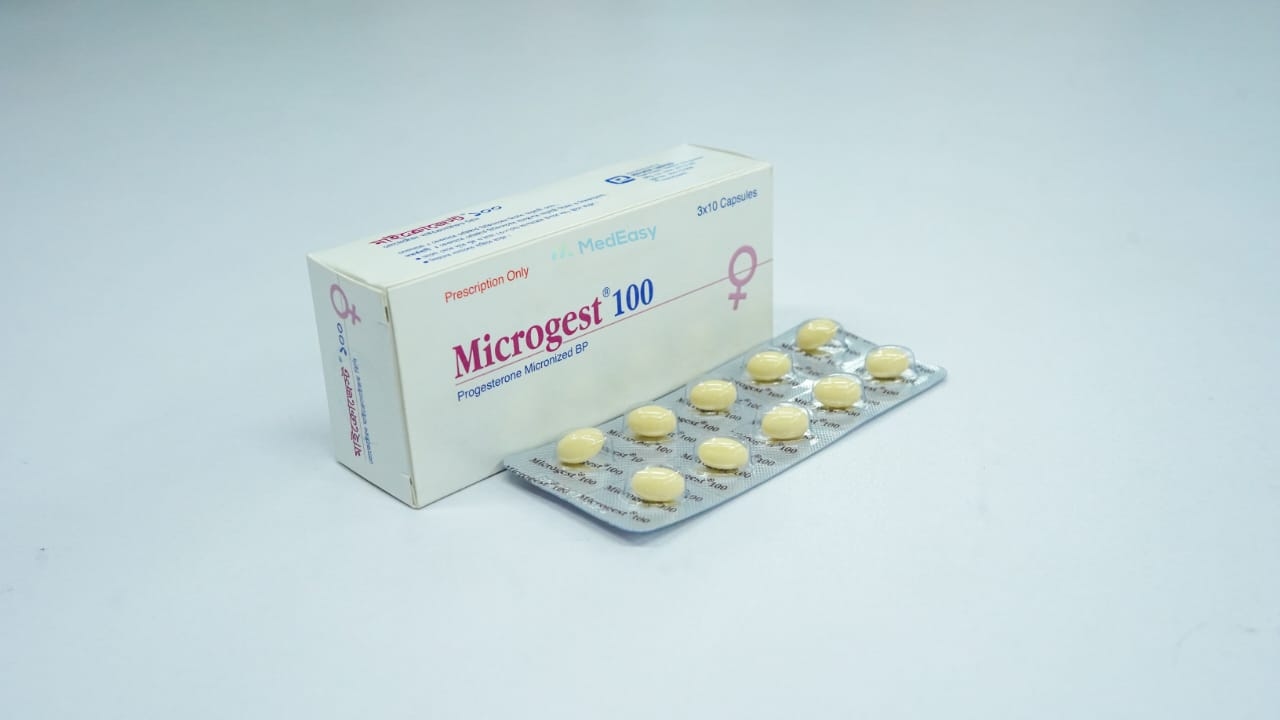
Generic medicine

Progesterone: Brands, Price & Uses in Bangladesh

Progesterone is a natural progestin hormone used in the following clinically established indications: Secondary amenorrhea: Used to induce withdrawal bleeding in women who have not menstruated due…

Forms:CapsuleVaginal PessaryVaginal Gel

About Progesterone

Indications of Progesterone

Progesterone is a natural progestin hormone used in the following clinically established indications:

  • Secondary amenorrhea: Used to induce withdrawal bleeding in women who have not menstruated due to a hormonal imbalance (progestational challenge test/therapy), provided pregnancy and other causes have been excluded.
  • Abnormal uterine bleeding due to hormonal imbalance: Used to regulate irregular or dysfunctional uterine bleeding when no structural or malignant cause is identified.
  • Prevention of endometrial hyperplasia: Used together with estrogen replacement therapy in non-hysterectomized postmenopausal women to oppose estrogen's proliferative effect on the endometrium.
  • Luteal phase support in assisted reproductive technology (ART): Used as part of fertility treatment protocols (e.g., in vitro fertilization) to support the uterine lining after egg retrieval/embryo transfer, typically as an adjunct to other fertility medications.
  • Maintenance of pregnancy in threatened or recurrent (habitual) abortion: Used under specialist supervision in selected cases of luteal insufficiency; this is a distinct, specialist-directed use separate from the general non-pregnancy contraindication described in Contraindications.

Some additional uses (e.g., premenstrual syndrome symptom management, benign breast conditions) are supported by limited or mixed evidence and should only be undertaken on a physician's advice.

Dosage & Administration of Progesterone

IndicationTypical Adult DosageRoute/Notes
Secondary amenorrhea400 mg once daily at bedtime for 10 daysOral (micronized capsule)
Prevention of endometrial hyperplasia (with estrogen therapy)200 mg once daily at bedtime for 12 consecutive days per 28-day cycleOral (micronized capsule), taken with estrogen per prescribed regimen
Luteal phase support (ART/IVF)Typically 200-400 mg daily (oral/vaginal) or 25 mg daily (subcutaneous), per fertility specialist protocol, continuing until approximately 10-12 weeks of gestation if pregnancy occursOral, vaginal gel/pessary, or subcutaneous injection
Threatened/recurrent abortion (luteal insufficiency)200-400 mg daily, individualizedOral or vaginal, under specialist supervision only

Dosage must always be individualized by the prescribing physician based on indication, response, and formulation used. Progesterone capsules are usually taken at bedtime with water, on an empty stomach, due to sedative effects. Vaginal gel/pessary is inserted per product instructions. Subcutaneous injection is administered in the abdomen, rotating sites, generally under initial medical supervision.

Side Effects of Progesterone

Common side effects of Progesterone include:

  • Somnolence, dizziness, or drowsiness (particularly with oral capsules, which is why bedtime dosing is recommended)
  • Breast tenderness or swelling
  • Headache
  • Mood changes, irritability, or depression
  • Bloating, abdominal discomfort, or fluid retention
  • Nausea
  • Local irritation, itching, or discharge (with vaginal forms) or injection site reactions (with subcutaneous injection)

Side effects are generally less pronounced with vaginal or subcutaneous routes compared to oral administration. Contact a physician if side effects are severe or persistent, or if symptoms of a blood clot (leg swelling/pain, chest pain, sudden shortness of breath) occur - see Contraindications.

Contraindications of Progesterone

Progesterone is contraindicated in patients with:

  • Known hypersensitivity to Progesterone or any excipient (including peanut oil, used as a vehicle in some oral micronized capsule formulations - contraindicated in peanut allergy).
  • Undiagnosed abnormal genital/vaginal bleeding.
  • Known or suspected breast cancer or other hormone-sensitive malignancy.
  • Active liver disease or hepatic impairment.
  • Active thrombophlebitis, thromboembolic disorder, or a history of these conditions (e.g., deep vein thrombosis, pulmonary embolism, stroke).
  • Missed abortion or known/suspected pregnancy, when used for non-pregnancy-support indications (e.g., amenorrhea, hyperplasia prevention). This does not apply to specialist-directed use of Progesterone for luteal support or maintenance of pregnancy in threatened/recurrent abortion, where its use is intentional and supervised.
  • Porphyria.

Frequently Asked Questions about Progesterone

What is Progesterone used for?

Progesterone is used to treat secondary amenorrhea (absent periods due to hormonal imbalance), abnormal uterine bleeding caused by hormonal imbalance, to protect the uterine lining in women taking estrogen replacement therapy, and to support the uterine lining during fertility treatments such as IVF. It is also used, under specialist supervision, to help maintain certain pregnancies at risk of miscarriage due to low progesterone levels.

Can Progesterone be used during pregnancy?

Progesterone is used in specific pregnancy-support situations (such as fertility treatment or threatened miscarriage due to luteal insufficiency) only under the direct supervision of a specialist doctor who judges that the benefits outweigh the risks for that pregnancy. For other, non-pregnancy-support uses, Progesterone should not be used if you are or might be pregnant. Always consult your doctor before use in pregnancy.

Why is Progesterone often taken at bedtime?

Oral Progesterone capsules commonly cause drowsiness or dizziness because of how the body metabolizes the hormone. Taking the dose at bedtime helps minimize the impact of this side effect on daily activities and takes advantage of the mild sedative effect to aid sleep.

Who should not use Progesterone?

Progesterone should not be used by people with known hypersensitivity to it (including peanut allergy, for oral capsules made with peanut oil), undiagnosed vaginal bleeding, known or suspected breast cancer or other hormone-sensitive cancers, active liver disease, a current or past history of blood clots or stroke, or porphyria. Discuss your full medical history with your doctor before starting treatment.

What are the common side effects of Progesterone?

Common side effects of Progesterone include drowsiness, dizziness, breast tenderness, headache, mood changes, bloating, and nausea. Side effects tend to be milder with vaginal or injectable forms compared to oral capsules. Contact your doctor if side effects are severe, persistent, or if you notice signs of a blood clot such as leg swelling, chest pain, or sudden shortness of breath.

What should I do if I miss a dose or take too much Progesterone?

If you miss a dose of Progesterone, take it as soon as you remember unless it is close to the next dose, then skip the missed dose - do not double up. If you or someone else has taken too much Progesterone, seek immediate medical attention or contact a poison control center, as overdose can cause pronounced drowsiness, dizziness, nausea, or vomiting.

Disclaimer

The information provided is accurate to the best of our knowledge, but it does not replace professional medical advice. We cannot guarantee its completeness or accuracy, and the absence of specific information about a drug should not be taken as an endorsement. We are not responsible for any consequences arising from this information, so please consult a healthcare professional for any concerns or questions.
DoctorBlogArticles
