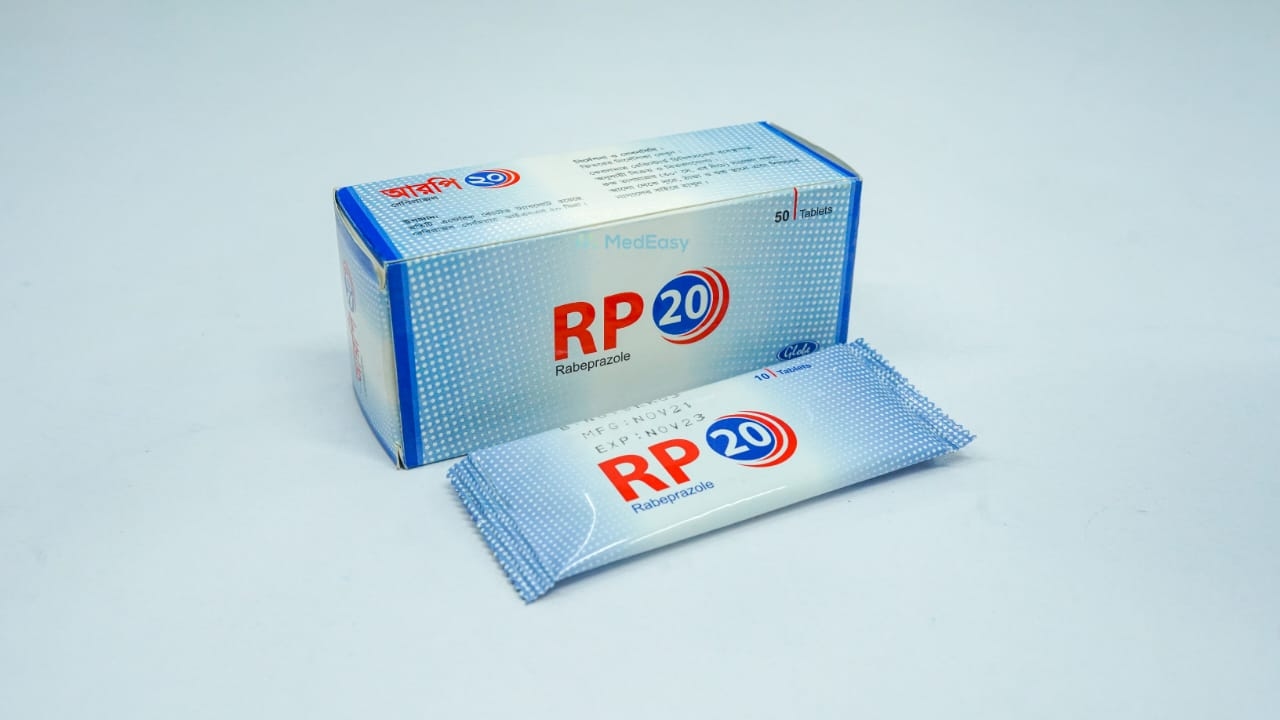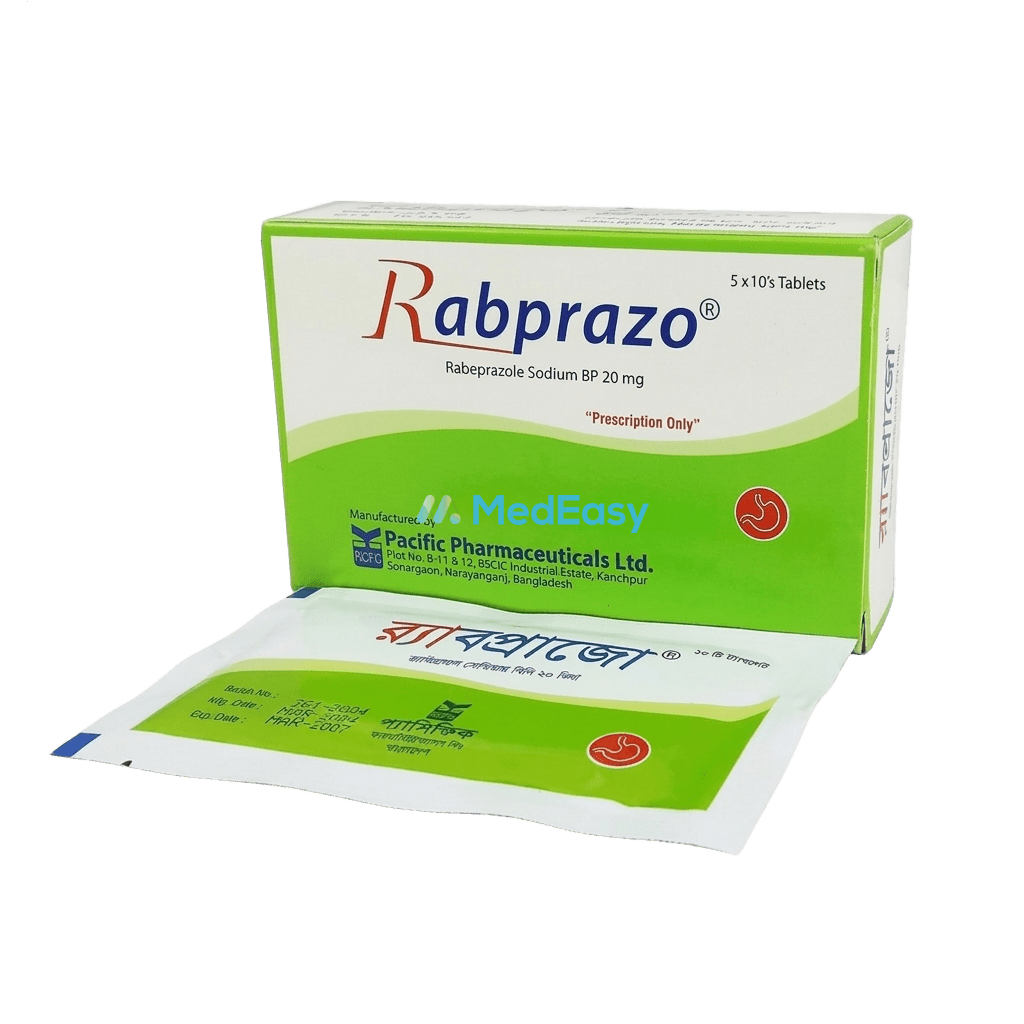
Generic medicine

Rabeprazole Sodium: Brands, Price & Uses in Bangladesh

Rabeprazole Sodium is a proton pump inhibitor used for the following indications: Established / FDA-approved uses Healing of erosive or ulcerative gastro-esophageal reflux disease (GERD) Maintenance…

Forms:TabletCapsule

About Rabeprazole Sodium

Indications of Rabeprazole Sodium

Rabeprazole Sodium is a proton pump inhibitor used for the following indications:

Established / FDA-approved uses

  • Healing of erosive or ulcerative gastro-esophageal reflux disease (GERD)
  • Maintenance of healing of erosive GERD
  • Symptomatic, non-erosive GERD (treatment of heartburn)
  • Short-term treatment of active duodenal ulcer
  • Long-term treatment of pathological hypersecretory conditions, including Zollinger-Ellison syndrome

Combination-therapy indication

  • Helicobacter pylori eradication in patients with duodenal ulcer disease, used together with two antibiotics (e.g., amoxicillin and clarithromycin) as triple therapy — Rabeprazole Sodium alone is not effective for eradication and must not be used as monotherapy for this purpose.

Guideline-supported / commonly used off-label

  • Healing of active benign gastric ulcer (supported by clinical guidelines and regional labeling, though formal FDA approval for this specific indication varies by product)
  • Prevention of NSAID-associated gastric ulcers in at-risk patients

The decision to use Rabeprazole Sodium for any indication should be made by a qualified physician after clinical evaluation.

Dosage & Administration of Rabeprazole Sodium

Dosing of Rabeprazole Sodium depends on the indication being treated. Tablets should be swallowed whole and must not be split, crushed, or chewed.

IndicationAdult DoseDuration
Healing of erosive/ulcerative GERD20 mg once daily4–8 weeks; may extend an additional 8 weeks if not healed
Maintenance of healed GERD20 mg once dailyLong-term, as directed by physician
Symptomatic (non-erosive) GERD20 mg once dailyUp to 4 weeks
Active duodenal ulcer20 mg once daily after the morning mealUp to 4 weeks
Active benign gastric ulcer20 mg once daily4–8 weeks, per physician's assessment
H. pylori eradication (triple therapy)20 mg twice daily, with amoxicillin 1000 mg twice daily and clarithromycin 500 mg twice daily7 days
Zollinger-Ellison syndrome / hypersecretory conditionsInitial 60 mg once daily; titrated up to 100–120 mg/day (in divided doses if >100 mg/day) based on responseIndividualized, may be long-term

Pediatric dosing (GERD, ages 1–11 years, when clinically indicated): weight <15 kg — 5 mg once daily; weight ≥15 kg — 10 mg once daily, for up to 12 weeks. Adolescents 12 years and older may receive the adult symptomatic GERD dose of 20 mg once daily for up to 8 weeks. Pediatric dosing of Rabeprazole Sodium must only be initiated and supervised by a physician. See Use in Special Populations and Pediatric Uses for further detail.

No routine dose adjustment of Rabeprazole Sodium is required for mild-to-moderate renal impairment or mild hepatic impairment; caution and physician guidance are advised in significant hepatic impairment (see Use in Special Populations).

Side Effects of Rabeprazole Sodium

Common side effects of Rabeprazole Sodium (generally mild and transient) include:

  • Headache
  • Diarrhea or, less commonly, constipation
  • Abdominal pain
  • Nausea or vomiting
  • Flatulence
  • Dry mouth
  • Pharyngitis and cold-like symptoms (in pediatric use)

In combination therapy for H. pylori eradication, diarrhea and taste disturbance are reported more frequently.

Less common but serious effects associated with Rabeprazole Sodium and other PPIs — including bone fracture with long-term high-dose use, hypomagnesemia, vitamin B12 deficiency, Clostridioides difficile-associated diarrhea, acute interstitial nephritis, and severe skin reactions — are discussed in Precautions and Warnings. Patients should seek prompt medical attention for severe or persistent symptoms, signs of allergic reaction, or unexplained diarrhea while taking Rabeprazole Sodium.

Contraindications of Rabeprazole Sodium

Rabeprazole Sodium is contraindicated in:

  • Patients with known hypersensitivity to rabeprazole, other substituted benzimidazoles, or to any component of the formulation. Hypersensitivity reactions can include anaphylaxis, angioedema, bronchospasm, and acute interstitial nephritis.
  • Patients taking rilpivirine-containing antiretroviral products, due to a clinically significant reduction in rilpivirine absorption and risk of loss of virologic response (see Interactions).

Frequently Asked Questions about Rabeprazole Sodium

What is Rabeprazole Sodium used for?

Rabeprazole Sodium is a proton pump inhibitor used mainly to treat GERD (acid reflux), heal duodenal and gastric ulcers, treat conditions with excess stomach acid such as Zollinger-Ellison syndrome, and, in combination with antibiotics, to help eradicate H. pylori infection.

How should I take Rabeprazole Sodium?

Tablets of Rabeprazole Sodium should be swallowed whole with water, without chewing, crushing, or splitting, usually once daily after the morning meal unless your physician instructs otherwise. Take it at the same time each day and complete the full course as prescribed.

Can I take Rabeprazole Sodium during pregnancy or while breastfeeding?

Rabeprazole Sodium should be used in pregnancy only if clearly needed, since adequate human data are limited and it should be used only when potential benefit justifies potential risk to the fetus. It is also not definitively known whether it passes into breast milk, so caution is advised. Always consult your physician before using Rabeprazole Sodium during pregnancy or breastfeeding.

What are the possible side effects of Rabeprazole Sodium?

Common side effects of Rabeprazole Sodium include headache, diarrhea, abdominal pain, nausea, and flatulence. With long-term use, less common but more serious risks include bone fracture, low magnesium levels, vitamin B12 deficiency, and C. difficile-associated diarrhea. Seek medical attention for severe or persistent symptoms.

Who should not take Rabeprazole Sodium?

Rabeprazole Sodium should not be used by anyone with a known hypersensitivity to rabeprazole or other substituted benzimidazole PPIs, or by patients taking rilpivirine-containing HIV medicines, since Rabeprazole Sodium significantly reduces rilpivirine absorption and effectiveness.

What should I do if I miss a dose or take too much Rabeprazole Sodium?

If you miss a dose of Rabeprazole Sodium, take it as soon as you remember unless it is nearly time for the next dose — do not double the dose. If an overdose is suspected, seek immediate medical attention or contact a poison control center, as there is no specific antidote and treatment is supportive.

Disclaimer

The information provided is accurate to the best of our knowledge, but it does not replace professional medical advice. We cannot guarantee its completeness or accuracy, and the absence of specific information about a drug should not be taken as an endorsement. We are not responsible for any consequences arising from this information, so please consult a healthcare professional for any concerns or questions.
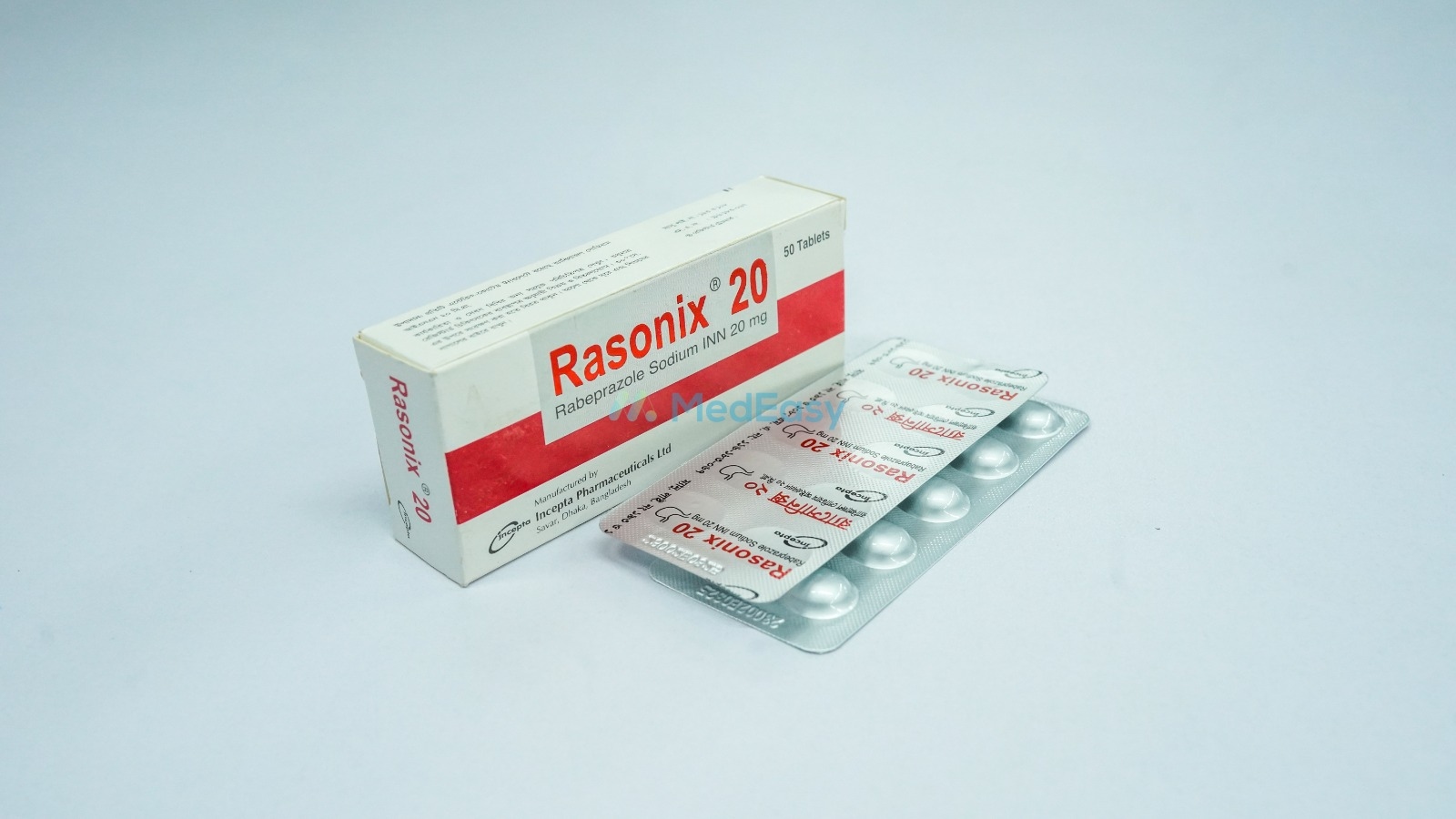

DoctorBlogArticles