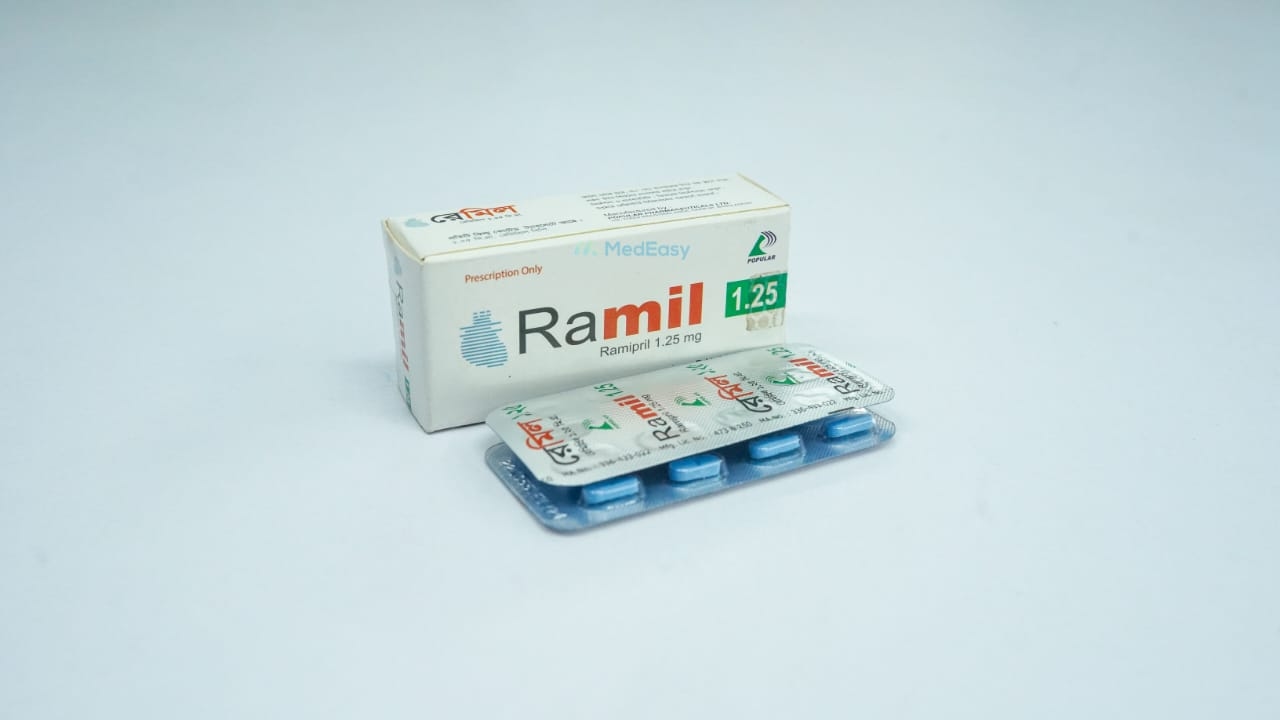
Generic medicine

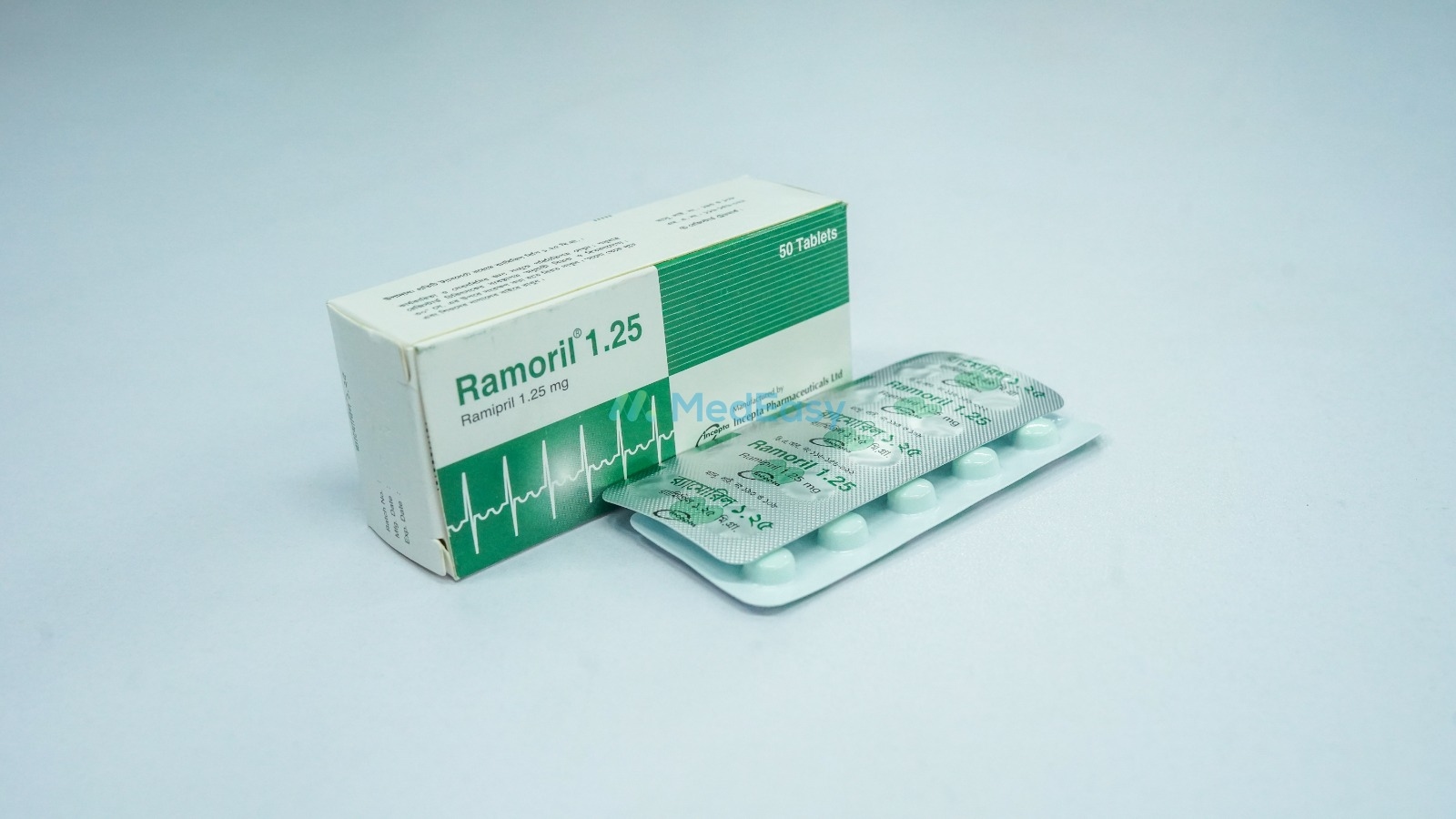
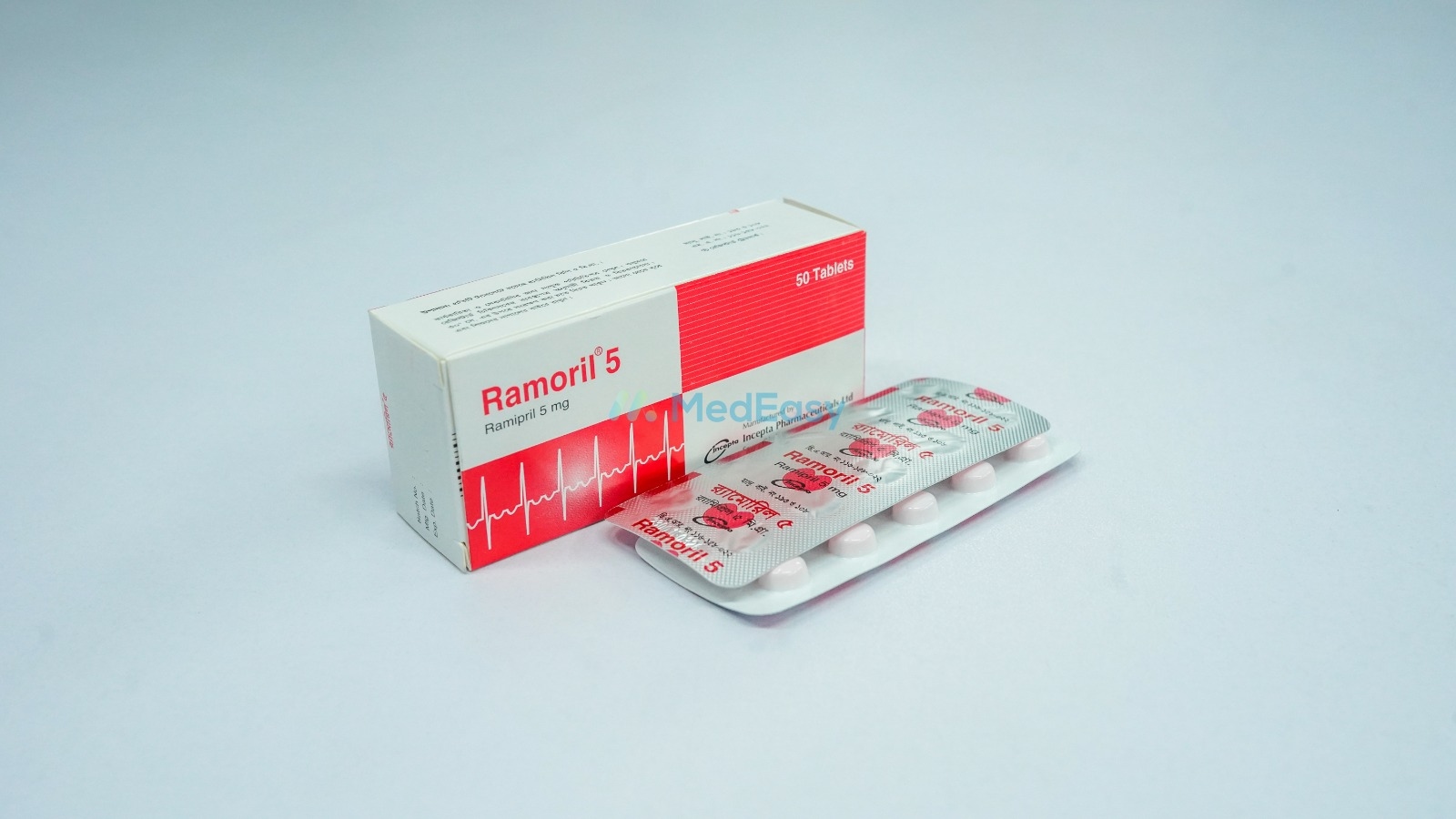
Ramipril: Brands, Price & Uses in Bangladesh

Established / FDA-Approved Uses Hypertension: Ramipril is indicated for the treatment of high blood pressure, either alone or in combination with other antihypertensive agents and more.

Forms:Tablet

About Ramipril

Indications of Ramipril

Established / FDA-Approved Uses

  • Hypertension: Ramipril is indicated for the treatment of high blood pressure, either alone or in combination with other antihypertensive agents, to lower blood pressure and reduce the risk of fatal and non-fatal cardiovascular events.
  • Heart Failure Post-Myocardial Infarction: Ramipril is indicated to reduce the risk of death and to slow progression to severe/resistant heart failure in clinically stable patients who have signs of congestive heart failure within a few days after a heart attack (myocardial infarction).
  • Reduction of Cardiovascular Risk: Ramipril is indicated in patients aged 55 years or older at high risk of a major cardiovascular event (such as those with a history of coronary artery disease, stroke, peripheral vascular disease, or diabetes with an additional risk factor) to reduce the risk of myocardial infarction, stroke, and death from cardiovascular causes.

Guideline-Supported / Adjunct Uses

  • Diabetic and Non-Diabetic Nephropathy: Ramipril is commonly used, as supported by clinical guidelines, to reduce proteinuria and slow progression of kidney disease in patients with diabetic and certain non-diabetic nephropathies, usually as part of a broader treatment plan.
  • Left Ventricular Dysfunction / Chronic Heart Failure: Ramipril may be used as adjunct therapy (with diuretics, beta-blockers, etc.) in the long-term management of chronic heart failure with reduced ejection fraction.

A physician determines the appropriate indication and treatment plan for each patient based on individual clinical evaluation.

Dosage & Administration of Ramipril

General Administration

Ramipril may be taken with or without food, at approximately the same time each day. Doses should be individualized based on indication, blood pressure response, and renal function. Do not stop taking Ramipril abruptly without consulting a physician.

Dosage by Indication

IndicationInitial DoseMaintenance / Titration
Hypertension2.5 mg once daily (1.25 mg once daily if on a diuretic or with renal impairment)Usual range 2.5-20 mg/day, given once daily or in two divided doses
Heart Failure Post-MI2.5 mg twice daily (1.25 mg twice daily if hypotension occurs)Titrate as tolerated to a target of 5 mg twice daily
Cardiovascular Risk Reduction2.5 mg once daily for 1 week5 mg once daily for 3 weeks, then increased as tolerated to a maintenance dose of 10 mg once daily

Renal Impairment

Dose reduction is required in renal impairment (see Use in Special Populations for details); the starting dose is typically reduced and titration is done cautiously with monitoring of renal function and potassium.

Side Effects of Ramipril

Common

  • Persistent dry, non-productive cough
  • Dizziness or lightheadedness (especially with the first dose)
  • Headache
  • Fatigue
  • Hypotension
  • Hyperkalemia (elevated blood potassium)

Serious (Less Common but Important)

  • Angioedema (swelling of face, lips, tongue, throat, or extremities) - a potentially life-threatening reaction requiring immediate discontinuation and emergency care (see Precautions and Warnings).
  • Acute kidney injury or worsening renal function, particularly in patients with pre-existing renal impairment or renal artery stenosis.
  • Severe hypotension, especially in volume-depleted patients or those on diuretics.
  • Rarely, liver dysfunction, blood dyscrasias (e.g., neutropenia), or severe skin reactions.

Patients should seek prompt medical attention for facial/throat swelling, difficulty breathing or swallowing, or signs of infection (fever, sore throat).

Contraindications of Ramipril

  • Known hypersensitivity to Ramipril, any other ACE inhibitor, or any component of the formulation.
  • History of angioedema related to previous treatment with an ACE inhibitor.
  • Hereditary or idiopathic angioedema.
  • Pregnancy (see Pregnancy and Lactation for details).
  • Concomitant use of aliskiren in patients with diabetes mellitus.

Frequently Asked Questions about Ramipril

What is Ramipril used for?

Ramipril is used to treat high blood pressure, to reduce the risk of death or worsening heart failure after a heart attack, and to lower the risk of heart attack, stroke, and cardiovascular death in high-risk patients. It is also used to help slow kidney damage in certain patients with diabetic or non-diabetic kidney disease.

How should I take Ramipril?

Ramipril should be taken exactly as prescribed by a physician, usually once or twice daily, with or without food, at the same time each day. Do not stop taking it suddenly without consulting your doctor, even if you feel well.

Can I take Ramipril if I am pregnant?

No. Ramipril is contraindicated during pregnancy because it can cause serious injury or death to the developing fetus. If you become pregnant while taking Ramipril, contact your physician immediately so the medication can be discontinued and switched to a safer alternative.

What side effects should I watch for with Ramipril?

Common side effects of Ramipril include dry cough, dizziness, headache, and low blood pressure. Seek emergency medical care immediately if you experience swelling of the face, lips, tongue, or throat, or difficulty breathing or swallowing, as this may indicate angioedema, a rare but serious reaction.

Can Ramipril be taken with potassium supplements?

Ramipril can raise blood potassium levels, so combining it with potassium supplements, salt substitutes containing potassium, or potassium-sparing diuretics can increase the risk of dangerously high potassium (hyperkalemia). Inform your doctor about all supplements and medications you are taking.

What should I do if I miss a dose or take too much Ramipril?

If you miss a dose of Ramipril, take it as soon as you remember unless it is close to your next dose; do not double up. If you suspect an overdose of Ramipril, seek immediate medical attention or contact a poison control center, as overdose can cause severe low blood pressure and kidney problems.

Disclaimer

The information provided is accurate to the best of our knowledge, but it does not replace professional medical advice. We cannot guarantee its completeness or accuracy, and the absence of specific information about a drug should not be taken as an endorsement. We are not responsible for any consequences arising from this information, so please consult a healthcare professional for any concerns or questions.
DoctorBlogArticles