8% Off
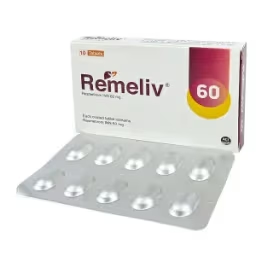
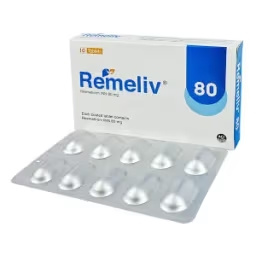
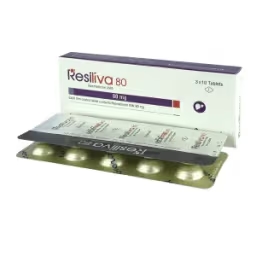
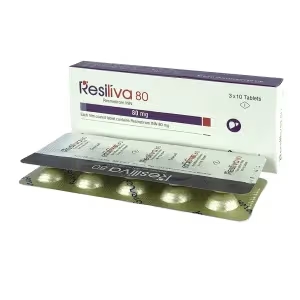
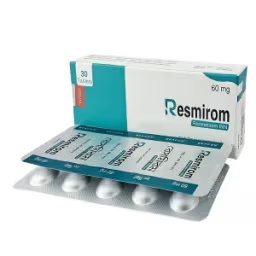
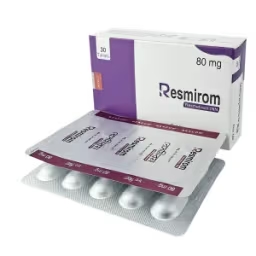
Resmirom80 mg
Beacon Pharmaceuticals PLC
৳414.00
Add to cart
Resmetirom is indicated, in combination with diet and exercise, for the treatment of adults with non-cirrhotic nonalcoholic steatohepatitis (NASH) and more.
Resmetirom is indicated, in combination with diet and exercise, for the treatment of adults with non-cirrhotic nonalcoholic steatohepatitis (NASH), also termed metabolic dysfunction-associated steatohepatitis (MASH), who have moderate to advanced liver fibrosis (consistent with fibrosis stages F2 to F3).
The diagnosis of MASH/NASH and the stage of fibrosis should be confirmed by a physician, typically using liver biopsy or validated non-invasive tests, before starting Resmetirom.
| Body weight | Recommended dose of Resmetirom |
|---|---|
| Less than 100 kg | 80 mg orally once daily |
| 100 kg or more | 100 mg orally once daily |
If Resmetirom is co-administered with a moderate CYP2C8 inhibitor, the dose should be reduced (e.g., from 100 mg to 80 mg, or from 80 mg to 60 mg daily), per physician guidance. Use with strong CYP2C8 inhibitors should generally be avoided. No dedicated dose adjustment has been established for mild hepatic or renal impairment; use with caution and physician oversight. Resmetirom has not been studied in decompensated cirrhosis and should not be used in that setting.
Safety and effectiveness of Resmetirom in pediatric patients have not been established.
The most commonly reported side effects of Resmetirom include:
Liver enzyme elevations: Changes in liver function tests can occur; periodic monitoring is recommended (see Precautions and Warnings).
Gallbladder-related events: Cholelithiasis (gallstones) and cholecystitis have been reported more frequently with Resmetirom than with placebo in clinical trials; report symptoms such as severe upper abdominal pain, fever, or jaundice promptly.
Contact a physician if side effects are severe, persistent, or concerning.
Resmetirom is contraindicated in patients with known hypersensitivity to Resmetirom or to any component of the formulation.
Resmetirom is not indicated for use in patients with decompensated cirrhosis, as it has not been studied and is not approved for this population; this represents an important scope limitation of therapy rather than a general precaution.
Disclaimer
The information provided is accurate to the best of our knowledge, but it does not replace professional medical advice. We cannot guarantee its completeness or accuracy, and the absence of specific information about a drug should not be taken as an endorsement. We are not responsible for any consequences arising from this information, so please consult a healthcare professional for any concerns or questions.