
Generic medicine

Rifampicin + Isoniazid: Brands, Price & Uses in Bangladesh

Rifampicin + Isoniazid is a fixed-dose combination of two first-line antitubercular agents used, as part of a physician-directed multi-drug regimen, in the treatment of tuberculosis (TB).

Forms:CapsuleTablet

About Rifampicin + Isoniazid

Indications of Rifampicin + Isoniazid

Rifampicin + Isoniazid is a fixed-dose combination of two first-line antitubercular agents used, as part of a physician-directed multi-drug regimen, in the treatment of tuberculosis (TB).

Established / Guideline-Supported Uses

  • Continuation-phase treatment of active pulmonary and extrapulmonary tuberculosis: after an initial intensive phase that includes additional agents (e.g., pyrazinamide and ethambutol), Rifampicin + Isoniazid is used for the continuation phase (commonly at least 4 months, per WHO/national tuberculosis treatment guidelines) to complete eradication of Mycobacterium tuberculosis.
  • Standard component of first-line anti-TB regimens (e.g., the WHO-recommended 2HRZE/4HR regimen), where Rifampicin + Isoniazid supplies the rifampicin and isoniazid components of the regimen.

Use Requiring Combination Therapy

Rifampicin + Isoniazid must never be used as monotherapy for active tuberculosis. It is appropriate only as part of a complete, physician-supervised multi-drug antitubercular regimen, because single-agent use rapidly selects for drug-resistant M. tuberculosis, including multidrug-resistant TB (MDR-TB).

Dosage & Administration of Rifampicin + Isoniazid

Rifampicin + Isoniazid dosing is weight-based and must be individualized by a physician managing tuberculosis treatment, generally following WHO or national tuberculosis programme guidance. Doses below are for the rifampicin + isoniazid combination used in the continuation phase (and, where appropriate, throughout treatment) alongside other antitubercular agents as directed.

Body weightTypical daily dose (Rifampicin + Isoniazid)
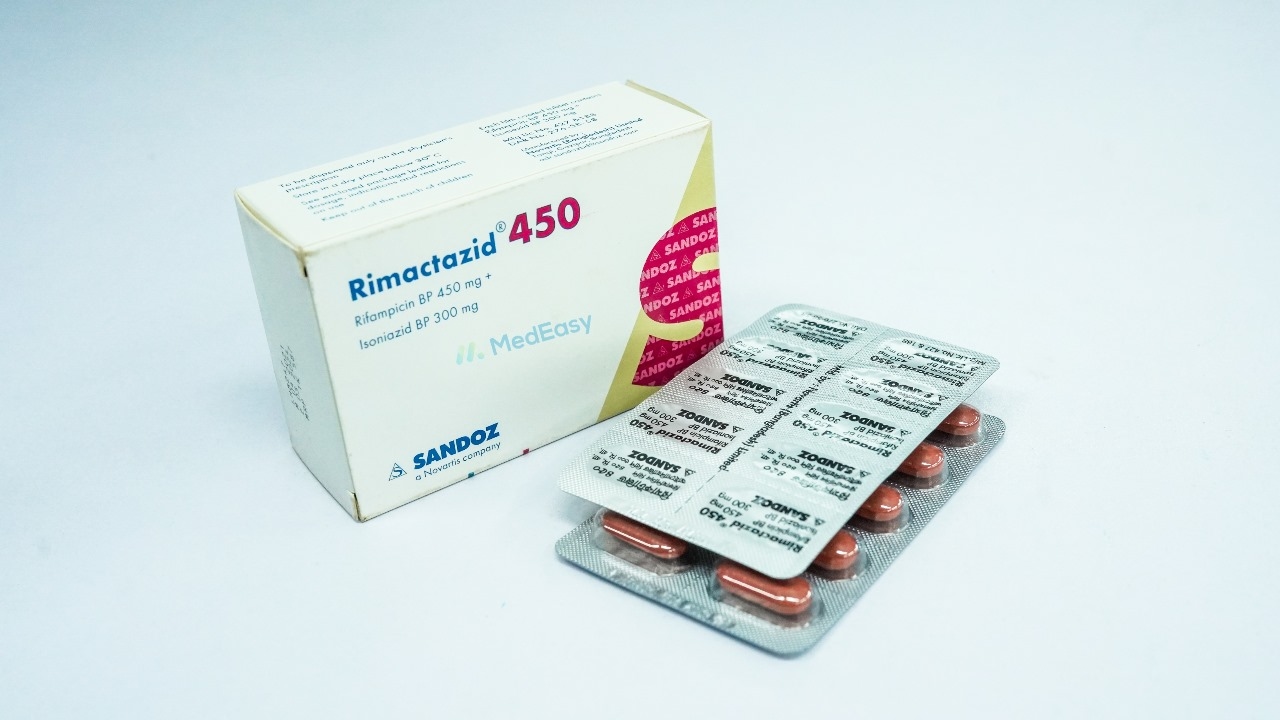
< 50 kgRifampicin 450 mg + Isoniazid 300 mg once daily (as appropriate fixed-dose tablet combination/number of tablets)
≥ 50 kgRifampicin 600 mg + Isoniazid 300 mg once daily (as appropriate fixed-dose tablet combination/number of tablets)

Pediatric Dosing

In children, dosing is calculated per kilogram of body weight (approximately rifampicin 10–20 mg/kg and isoniazid 7–15 mg/kg per day, within WHO-recommended ranges and maximum daily doses), using formulations appropriate for the child's weight band, under specialist supervision.

Hepatic Impairment

Use with caution and reduced total daily dose (e.g., not exceeding about 8 mg/kg/day of the combination) in patients with hepatic impairment; active/severe liver disease is a contraindication (see Contraindications).

Take Rifampicin + Isoniazid exactly as prescribed by your physician; do not stop, extend, skip doses, or share this medicine with others without medical advice. Completing the entire prescribed course is essential to cure tuberculosis and prevent the emergence of drug-resistant disease.

Side Effects of Rifampicin + Isoniazid

As with any medicine, Rifampicin + Isoniazid can cause side effects. Report any of the following to your physician.

Common

  • Nausea, vomiting, abdominal discomfort, loss of appetite, diarrhea
  • Harmless orange-red discoloration of urine, tears, sweat, and saliva (rifampicin component); may stain soft contact lenses
  • Headache, dizziness, drowsiness, or tiredness

Less Common / Serious (seek medical attention)

  • Signs of liver injury: yellowing of skin/eyes, dark urine, unusual fatigue, loss of appetite, right upper abdominal pain (see Precautions and Warnings for hepatotoxicity monitoring)
  • Numbness, tingling, or burning sensation in the hands or feet (peripheral neuropathy, mainly with isoniazid)
  • Skin rash, itching, hives, or flu-like reactions (fever, chills, muscle pain) — occasionally with intermittent dosing
  • Easy bruising or bleeding (thrombocytopenia), unusual paleness or fatigue (hemolytic anemia), sore throat/fever (leukopenia)
  • Reduced urine output or blood in urine (rare interstitial nephritis)

Seek urgent medical care for signs of a severe allergic reaction (swelling of the face/throat, difficulty breathing) or severe skin reactions (blistering, peeling skin).

Contraindications of Rifampicin + Isoniazid

Rifampicin + Isoniazid is contraindicated in patients with:

  • Known hypersensitivity to rifampicin, isoniazid, other rifamycins/hydrazide compounds, or any excipient of the formulation.
  • Severe or active liver disease (including acute hepatitis or active severe hepatic impairment), or a history of drug-induced liver injury (e.g., jaundice) from prior rifampicin or isoniazid use.

Rifampicin + Isoniazid should also not be co-administered with certain ritonavir-boosted protease inhibitor antiretroviral combinations because of the risk of severe hepatotoxicity through drug interaction; your physician will select an appropriate regimen if you are on antiretroviral therapy.

Frequently Asked Questions about Rifampicin + Isoniazid

What is Rifampicin + Isoniazid used for?

Rifampicin + Isoniazid is a fixed-dose combination of two antitubercular medicines used, together with other anti-TB drugs as part of a complete regimen, to treat tuberculosis. It is not effective, and should not be used, as a stand-alone treatment for active TB.

Why does my urine turn orange-red after taking Rifampicin + Isoniazid?

This is a harmless effect of the rifampicin component, which also colors tears, sweat, and saliva. It does not indicate a problem, but tell your physician if you also notice yellowing of the eyes or skin, which could indicate liver injury and needs urgent evaluation.

Can I stop Rifampicin + Isoniazid once I feel better?

No. You must complete the full course of Rifampicin + Isoniazid exactly as prescribed by your physician, even if your symptoms improve early. Stopping, skipping doses, or taking it irregularly is a leading cause of treatment failure and multidrug-resistant tuberculosis (MDR-TB), and this medicine should never be shared with others without medical advice.

Is Rifampicin + Isoniazid safe to take during pregnancy or while breastfeeding?

Untreated tuberculosis is dangerous in pregnancy, so Rifampicin + Isoniazid is generally used when clearly needed under close physician supervision, with potential benefit judged to outweigh potential risk; the same applies to breastfeeding, where amounts passing into milk are small. Always consult your physician before use in pregnancy or lactation, and do not start or stop treatment on your own.

Why do I need liver function tests while on Rifampicin + Isoniazid?

Both components of Rifampicin + Isoniazid can affect the liver, and this risk is additive when combined. Your physician will check liver function before starting treatment and periodically during treatment to detect any liver injury early, especially if you drink alcohol, are older than 35, or have pre-existing liver disease.

What should I do if I take too much Rifampicin + Isoniazid?

Overdose of Rifampicin + Isoniazid is a medical emergency, particularly the isoniazid component, which can cause seizures and severe acidosis. Seek immediate medical attention or contact emergency services/a poison control center right away; do not try to manage an overdose at home.

Disclaimer

The information provided is accurate to the best of our knowledge, but it does not replace professional medical advice. We cannot guarantee its completeness or accuracy, and the absence of specific information about a drug should not be taken as an endorsement. We are not responsible for any consequences arising from this information, so please consult a healthcare professional for any concerns or questions.
DoctorBlogArticles