8% Off
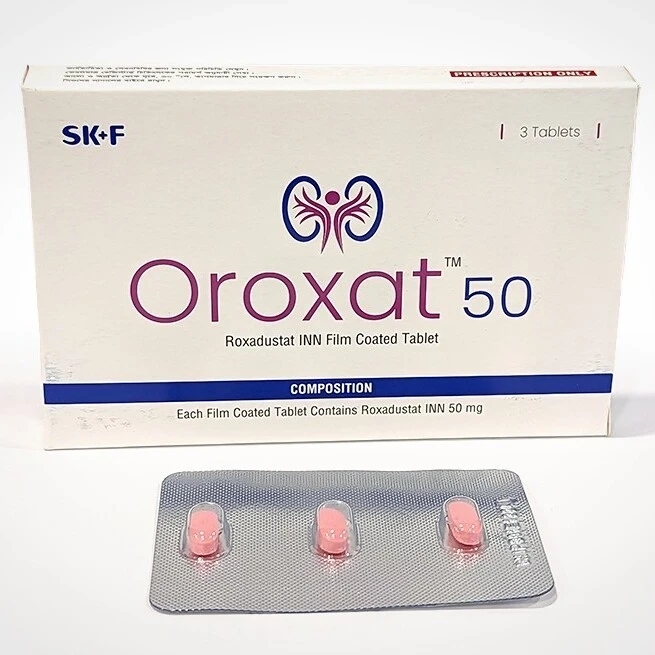
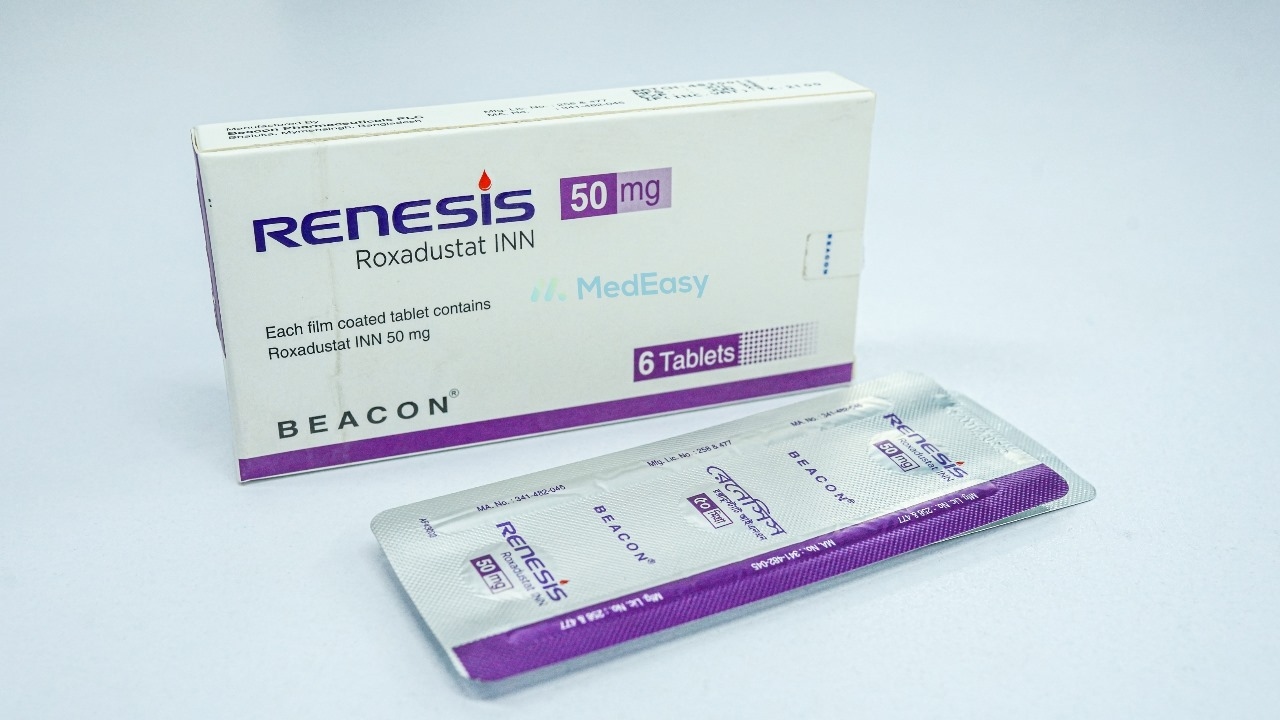
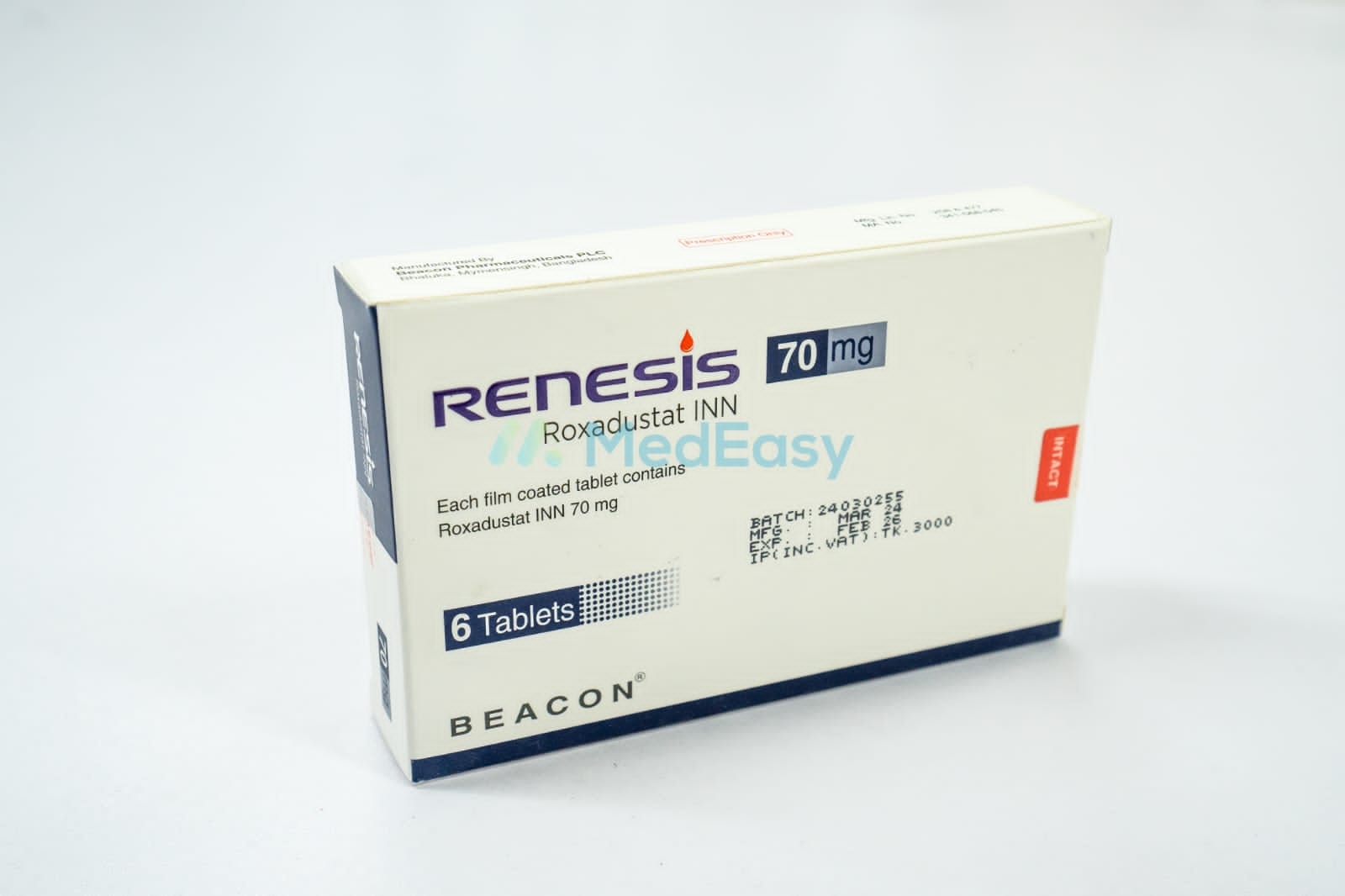
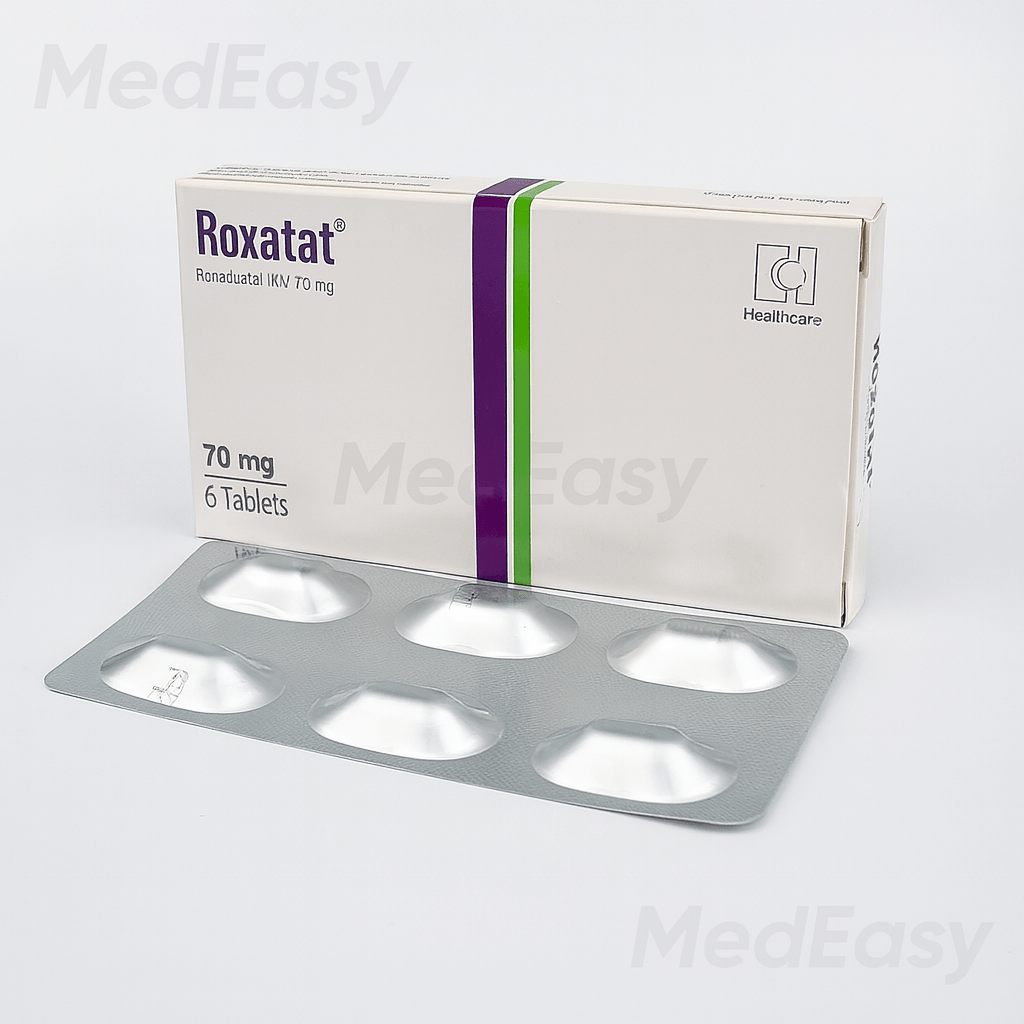
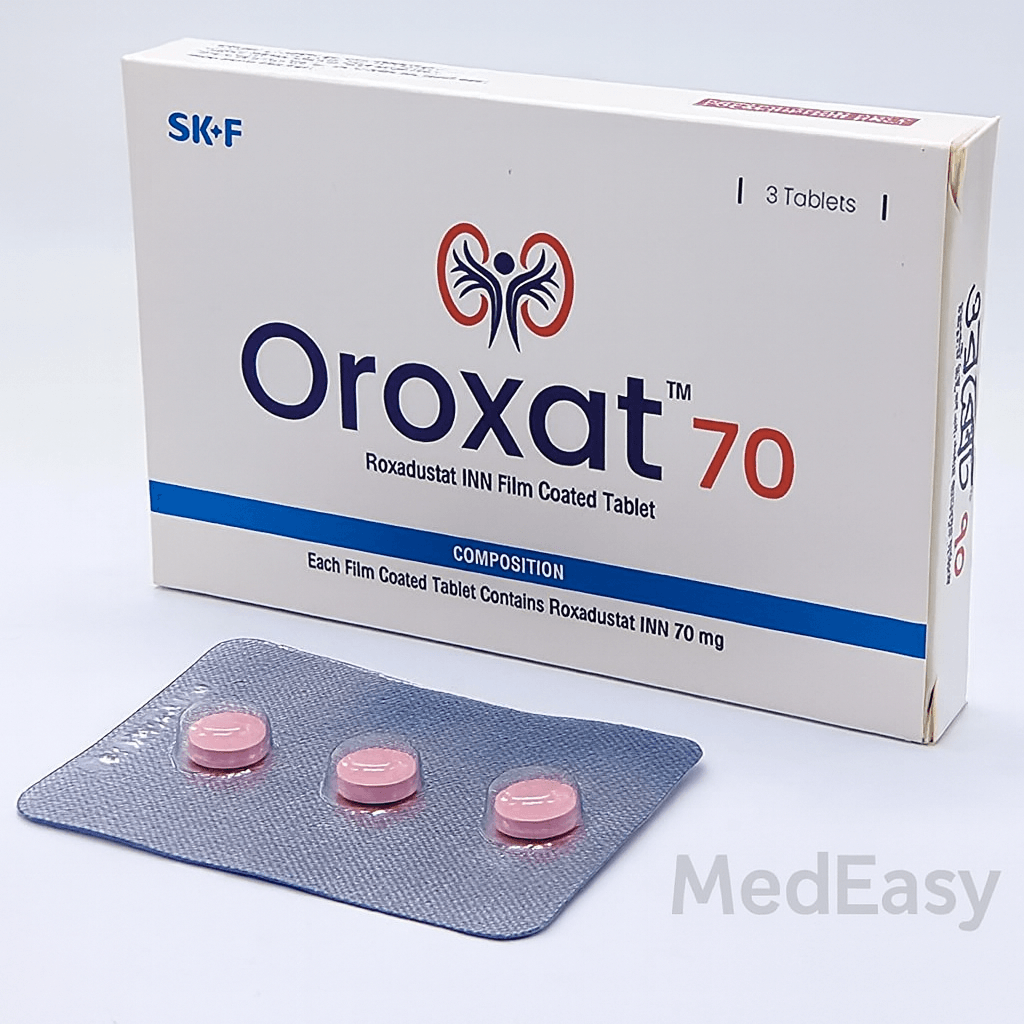
Oroxat70 mg
Eskayef Bangladesh Ltd.
৳1104.00
Add to cart
Roxadustat is an oral hypoxia-inducible factor prolyl hydroxylase (HIF-PH) inhibitor used in the management of anaemia.
Roxadustat is an oral hypoxia-inducible factor prolyl hydroxylase (HIF-PH) inhibitor used in the management of anaemia. Its evidence-based uses are classified below.
Roxadustat has not been approved by the US FDA; a US advisory committee raised safety concerns (thromboembolic and cardiovascular risk) in 2021 and the application was not approved in the United States. Approval status and local availability should always be confirmed with a physician or pharmacist, as regulatory status differs by country.
Roxadustat is not indicated for anaemia due to causes other than CKD (e.g. chemotherapy-induced anaemia, myelodysplastic syndromes) and should not be used off-label for these purposes outside of a clinical trial setting.
Roxadustat dosing is individualised, based on body weight and (for patients switching from an ESA) prior ESA dose, then titrated according to haemoglobin (Hb) response. The target Hb range is generally 10-12 g/dL; the treating physician sets and monitors this target and dose adjustments should not be made by the patient.
| Patient Group | Starting Dose | Maximum Dose |
|---|---|---|
| Non-dialysis-dependent CKD, body weight <100 kg | 70 mg three times weekly | 3 mg/kg or 300 mg three times weekly, whichever is lower |
| Non-dialysis-dependent CKD, body weight ≥100 kg | 100 mg three times weekly | 3 mg/kg or 300 mg three times weekly, whichever is lower |
| Dialysis-dependent CKD | 70-200 mg three times weekly (based on prior ESA dose, or 50-100 mg three times weekly if ESA-naive) | 3 mg/kg or 400 mg three times weekly, whichever is lower |
Doses are typically adjusted no more than once every 4 weeks, based on the change in Hb and current Hb level, using a step-wise titration schedule provided by the prescriber. If Hb rises by more than 2 g/dL within 4 weeks, or exceeds the target range, the dose is reduced or interrupted.
If an adequate Hb response is not achieved after an appropriate escalation period (approximately 24 weeks), Roxadustat should generally be discontinued and alternative therapy considered, under physician guidance.
Patients should seek prompt medical attention for chest pain, shortness of breath, leg swelling/pain, seizure activity, or signs of jaundice while taking Roxadustat.
Use in the third trimester of pregnancy and during breast-feeding is also contraindicated on current labelling (see Pregnancy and Lactation for details); other cautions such as thromboembolic risk, hepatic impairment, and hypertension are important precautions but are not absolute contraindications and are addressed under Precautions and Warnings.
Disclaimer
The information provided is accurate to the best of our knowledge, but it does not replace professional medical advice. We cannot guarantee its completeness or accuracy, and the absence of specific information about a drug should not be taken as an endorsement. We are not responsible for any consequences arising from this information, so please consult a healthcare professional for any concerns or questions.