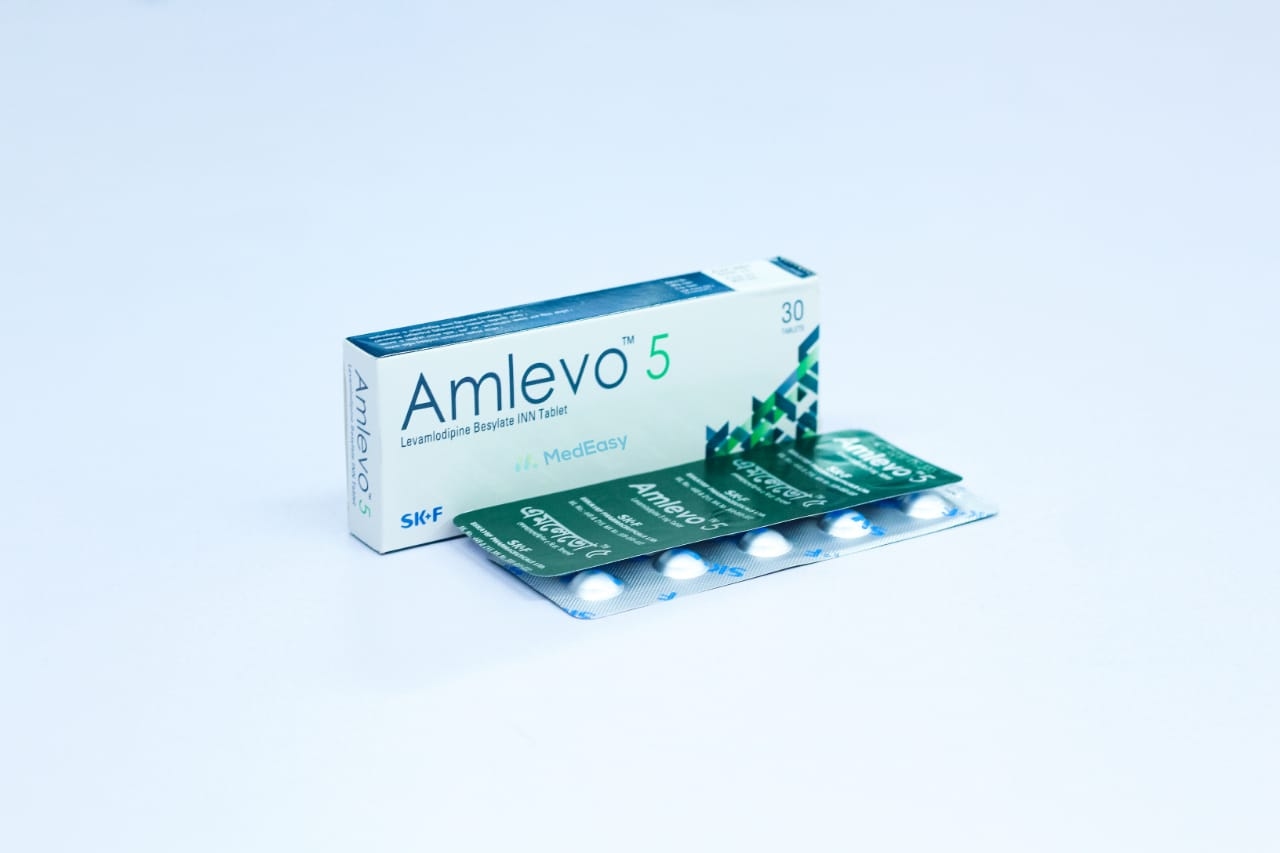
Generic medicine

S- Amlodipine Besilate: Brands, Price & Uses in Bangladesh

S- Amlodipine Besilate is a dihydropyridine calcium channel blocker used for the following indications: Established/Approved Uses Hypertension: S- Amlodipine Besilate is indicated for the treatment…

Forms:Tablet

About S- Amlodipine Besilate

Indications of S- Amlodipine Besilate

S- Amlodipine Besilate is a dihydropyridine calcium channel blocker used for the following indications:

Established/Approved Uses

  • Hypertension: S- Amlodipine Besilate is indicated for the treatment of high blood pressure, either alone or in combination with other classes of antihypertensive agents, to lower blood pressure and reduce the risk of cardiovascular events such as stroke and myocardial infarction.
  • Chronic Stable Angina: S- Amlodipine Besilate is indicated for symptomatic management of chronic stable angina pectoris, alone or in combination with other antianginal agents.
  • Vasospastic (Prinzmetal's) Angina: S- Amlodipine Besilate is indicated for the treatment of confirmed or suspected vasospastic angina.

Adjunct/Combination Use

  • In patients with hypertension or angina not adequately controlled on a single agent, S- Amlodipine Besilate may be added to an existing antihypertensive or antianginal regimen under physician supervision.

S- Amlodipine Besilate should only be used for indications confirmed by a qualified physician after clinical evaluation.

Dosage & Administration of S- Amlodipine Besilate

Adult Dosage

IndicationStarting DoseUsual Maintenance/Maximum Dose
Hypertension2.5 mg once dailyMay be titrated up to 5 mg once daily based on response, generally after 1–2 weeks
Chronic Stable Angina2.5–5 mg once dailyUp to 5 mg once daily
Vasospastic (Prinzmetal's) Angina2.5–5 mg once dailyUp to 5 mg once daily

Special Dosing Considerations

  • Small, fragile, or elderly patients, or those with hepatic impairment: A lower starting dose of 1.25 mg once daily is recommended for S- Amlodipine Besilate, with careful titration (see Use in Special Populations).
  • Renal impairment: No routine dose adjustment of S- Amlodipine Besilate is generally required, but titration should be individualized.

Administration

S- Amlodipine Besilate tablets may be taken with or without food, at approximately the same time each day. Tablets should be swallowed whole with a glass of water and should not be crushed or chewed. Missed doses of S- Amlodipine Besilate should be taken as soon as remembered, unless it is almost time for the next dose.

Side Effects of S- Amlodipine Besilate

Common and less common side effects reported with S- Amlodipine Besilate include:

FrequencySide Effects
CommonPeripheral (ankle) edema, headache, flushing, palpitations, dizziness, fatigue, somnolence, nausea, abdominal pain
Less CommonGingival hyperplasia (with prolonged use), muscle cramps, mood changes, gastrointestinal disturbance, mild elevation of liver enzymes
Rare/SeriousSevere hypotension, syncope, significant bradycardia or tachyarrhythmia, myocardial infarction (rare, generally in patients with severe underlying obstructive coronary disease), allergic/hypersensitivity reactions including angioedema and rash

Peripheral edema with S- Amlodipine Besilate is dose-dependent and is a common reason for treatment adjustment; it is not usually associated with fluid retention or weight gain.

Contraindications of S- Amlodipine Besilate

S- Amlodipine Besilate is contraindicated in patients with:

  • Known hypersensitivity to S- Amlodipine Besilate or any other dihydropyridine calcium channel blocker, or to any excipient of the formulation.
  • Severe hypotension.
  • Cardiogenic shock.

Conditions such as significant aortic stenosis or unstable/advanced ischemic heart disease require caution with S- Amlodipine Besilate rather than being absolute contraindications; see Precautions and Warnings.

Frequently Asked Questions about S- Amlodipine Besilate

What is S- Amlodipine Besilate used for?

S- Amlodipine Besilate is used to treat high blood pressure (hypertension) and certain types of chest pain (angina), including chronic stable angina and vasospastic (Prinzmetal's) angina.

How should I take S- Amlodipine Besilate?

Take S- Amlodipine Besilate exactly as prescribed by your physician, usually once daily with or without food, at the same time each day. Do not stop taking S- Amlodipine Besilate suddenly without consulting your doctor, even if you feel well.

What are the common side effects of S- Amlodipine Besilate?

The most common side effects of S- Amlodipine Besilate are swelling of the ankles or feet, headache, flushing, dizziness, and fatigue. These are often dose-related and should be discussed with your physician if they are bothersome.

Can S- Amlodipine Besilate be taken during pregnancy?

S- Amlodipine Besilate should be used during pregnancy only if clearly needed and if your physician determines that the potential benefit outweighs the potential risk to the baby. Always consult your physician before using S- Amlodipine Besilate if you are pregnant or planning to become pregnant.

Who should not take S- Amlodipine Besilate?

S- Amlodipine Besilate should not be used by anyone with a known allergy to S- Amlodipine Besilate or other similar calcium channel blockers, or by patients with severe hypotension or cardiogenic shock. Discuss your full medical history with your physician before starting S- Amlodipine Besilate.

What should I do if I miss a dose or take too much S- Amlodipine Besilate?

If you miss a dose of S- Amlodipine Besilate, take it as soon as you remember unless it is almost time for your next dose. If you suspect you have taken too much S- Amlodipine Besilate, seek immediate medical attention or contact emergency services, as overdose can cause dangerously low blood pressure.

Disclaimer

The information provided is accurate to the best of our knowledge, but it does not replace professional medical advice. We cannot guarantee its completeness or accuracy, and the absence of specific information about a drug should not be taken as an endorsement. We are not responsible for any consequences arising from this information, so please consult a healthcare professional for any concerns or questions.

DoctorBlogArticles