Generic medicine

Salbutamol + Ipratropium: Brands, Price & Uses in Bangladesh

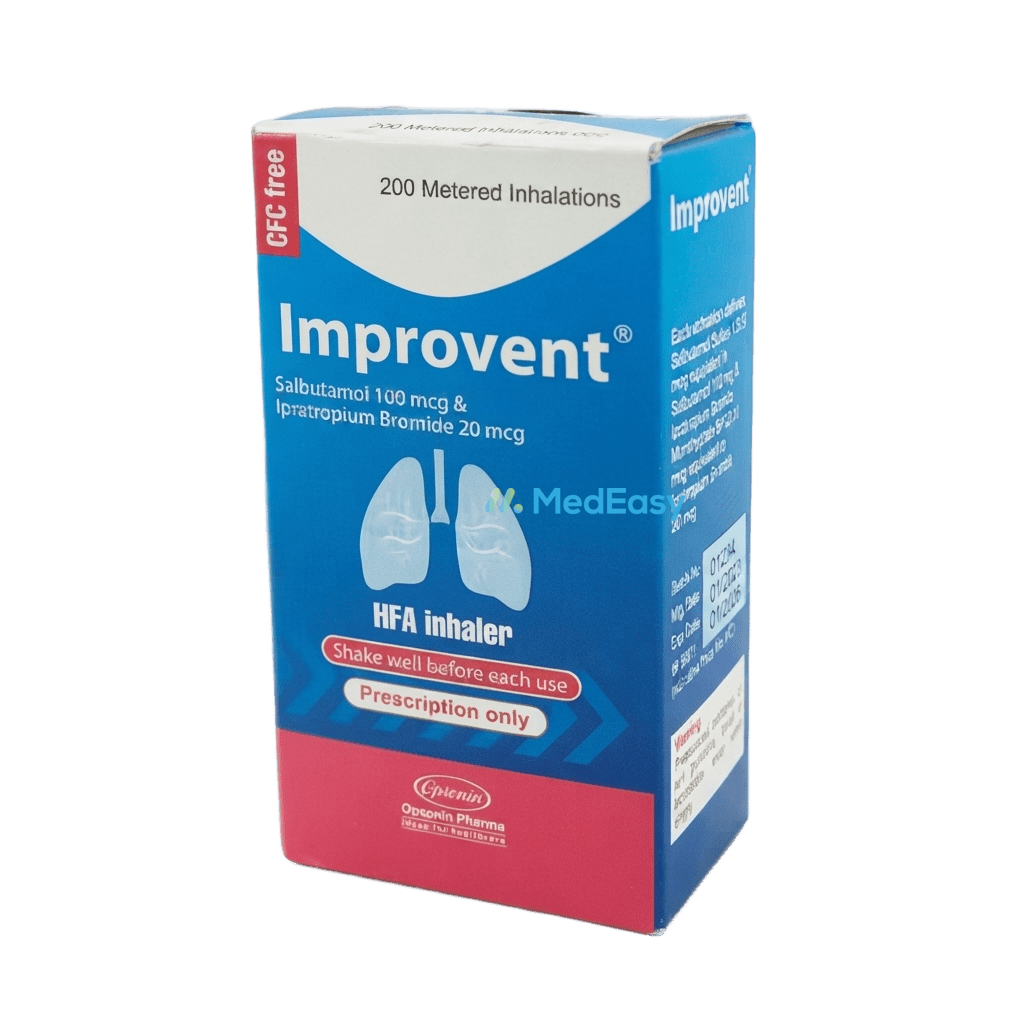
Salbutamol + Ipratropium is a fixed-dose combination bronchodilator used, via nebulizer or metered-dose inhaler, for the acute relief of bronchospasm associated with obstructive airway disease.

Forms:InhalerMetered-Dose Inhaler (MDI)Nebuliser Solution

About Salbutamol + Ipratropium

Indications of Salbutamol + Ipratropium

Salbutamol + Ipratropium is a fixed-dose combination bronchodilator used, via nebulizer or metered-dose inhaler, for the acute relief of bronchospasm associated with obstructive airway disease.

Established / guideline-supported uses

  • Chronic obstructive pulmonary disease (COPD): for patients on a regular bronchodilator who continue to have evidence of bronchospasm and require a second, add-on bronchodilator; also widely used for acute exacerbations of COPD.
  • Acute severe asthma exacerbations: guideline-supported add-on use (e.g., in emergency department/hospital settings) when a short-acting beta-2 agonist alone is insufficient — Salbutamol + Ipratropium is given together with other standard exacerbation treatment (systemic corticosteroids, oxygen as needed).

Not indicated for

  • Maintenance/controller monotherapy of persistent asthma or stable COPD — Salbutamol + Ipratropium is a rescue/acute-relief combination and does not replace inhaled corticosteroids, long-acting bronchodilators, or other prescribed controller therapy.
  • Initial treatment of mild, infrequent bronchospasm where a single agent is sufficient.

Salbutamol + Ipratropium should be used strictly as directed by a physician as part of an overall asthma/COPD management plan.

Dosage & Administration of Salbutamol + Ipratropium

Salbutamol + Ipratropium is administered by nebulization or metered-dose inhaler for acute relief of bronchospasm; the dose and frequency depend on the formulation, indication, and severity, and should be individualized by a physician.

Adults and adolescents (nebulizer solution)

A typical dose is one unit-dose vial (commonly salbutamol 2.5 mg with ipratropium bromide 0.5 mg) nebulized via mouthpiece or mask, usually 3–4 times daily as needed, not exceeding the maximum recommended number of doses in 24 hours specified on the product label. In acute severe exacerbations in a hospital/emergency setting, more frequent nebulization may be used under direct medical supervision.

Adults and adolescents (metered-dose inhaler)

Typically 1–2 inhalations as needed for symptom relief, up to the maximum number of inhalations per day stated on the product label; doses should not be repeated more often than directed.

Children

Pediatric dosing of Salbutamol + Ipratropium (particularly the fixed combination) is not well established for children below 12 years; use in children should be individualized and supervised by a pediatrician/pulmonologist (see Pediatric Uses).

Renal/hepatic impairment

No specific dose adjustment of Salbutamol + Ipratropium is well established for renal or hepatic impairment, as systemic exposure to both components is limited with inhaled/nebulized administration; use with the usual caution in significant organ impairment.

Side Effects of Salbutamol + Ipratropium

Side effects of Salbutamol + Ipratropium arise from its two components and generally reflect beta-agonist and anticholinergic pharmacology. Commonly reported effects include:

  • Tremor, nervousness, headache, and dizziness (mainly from the salbutamol component).
  • Palpitations, tachycardia (mainly from the salbutamol component; see Precautions for cardiovascular caution).
  • Dry mouth, throat irritation, and cough (mainly from the ipratropium component).
  • Nausea and dyspepsia.
  • Nervous cough or bronchitis symptoms with regular use, particularly in COPD patients.
  • Paradoxical bronchospasm (uncommon but serious; see Precautions).
  • Blurred vision, eye pain, or pupil dilation with accidental eye contact of nebulized Salbutamol + Ipratropium (see Precautions).

Seek medical advice if side effects are severe, persistent, or if any signs of an allergic reaction (rash, swelling, difficulty breathing) occur after using Salbutamol + Ipratropium.

Contraindications of Salbutamol + Ipratropium

Salbutamol + Ipratropium is contraindicated in:

  • Patients with known hypersensitivity to salbutamol, ipratropium, atropine or its derivatives, or to any excipient of the specific formulation dispensed (some inhaler formulations contain soy lecithin; these are also contraindicated in patients with known allergy to soya or peanut — check the specific product label).

Frequently Asked Questions about Salbutamol + Ipratropium

What is Salbutamol + Ipratropium used for?

Salbutamol + Ipratropium is a combination bronchodilator (nebulizer solution or inhaler) used for the acute relief of bronchospasm — wheezing, chest tightness, and shortness of breath — in asthma and chronic obstructive pulmonary disease (COPD), particularly during flare-ups/exacerbations. It combines a fast-acting beta-agonist with an anticholinergic bronchodilator for a more complete effect than either alone.

Is Salbutamol + Ipratropium the same as my regular daily inhaler?

No. Salbutamol + Ipratropium is a rescue/acute-relief combination for symptom flare-ups, not a maintenance controller medicine. It does not replace inhaled corticosteroids or long-acting bronchodilators prescribed for regular, ongoing control of asthma or COPD — continue those as directed even when using Salbutamol + Ipratropium for symptoms.

What are the common side effects of Salbutamol + Ipratropium?

Common side effects include tremor, nervousness, headache, dizziness, palpitations, fast heartbeat, dry mouth, throat irritation, cough, and nausea. Rarely, it can cause paradoxical bronchospasm (worsening of breathing right after use) — if this happens, stop use and seek medical attention immediately.

Can Salbutamol + Ipratropium affect my eyes?

Yes. If nebulized Salbutamol + Ipratropium mist (especially via a face mask) accidentally contacts the eyes, it can cause blurred vision, eye pain, or pupil dilation, and rarely can trigger acute angle-closure glaucoma in susceptible people. Use a mouthpiece where possible, and if using a mask, take care to shield the eyes.

Is Salbutamol + Ipratropium safe during pregnancy or breastfeeding?

Data are limited. Salbutamol + Ipratropium should be used during pregnancy only if clearly needed and the potential benefit outweighs the potential risk to the fetus, since the salbutamol component could theoretically affect uterine contractions; small amounts may also pass into breast milk. Consult a physician before use during pregnancy or breastfeeding — untreated bronchospasm also carries risks that need to be weighed.

What should I do if I use more Salbutamol + Ipratropium than prescribed?

Using more than directed can cause a fast or irregular heartbeat, tremor, palpitations, or low potassium levels. If you think you have taken too much Salbutamol + Ipratropium or symptoms feel severe, seek immediate medical attention or contact emergency services/poison control rather than trying to manage it at home. Also tell your physician if you find you need Salbutamol + Ipratropium more often than usual, as this can mean your asthma or COPD is not well controlled.

Disclaimer

The information provided is accurate to the best of our knowledge, but it does not replace professional medical advice. We cannot guarantee its completeness or accuracy, and the absence of specific information about a drug should not be taken as an endorsement. We are not responsible for any consequences arising from this information, so please consult a healthcare professional for any concerns or questions.

DoctorBlogArticles