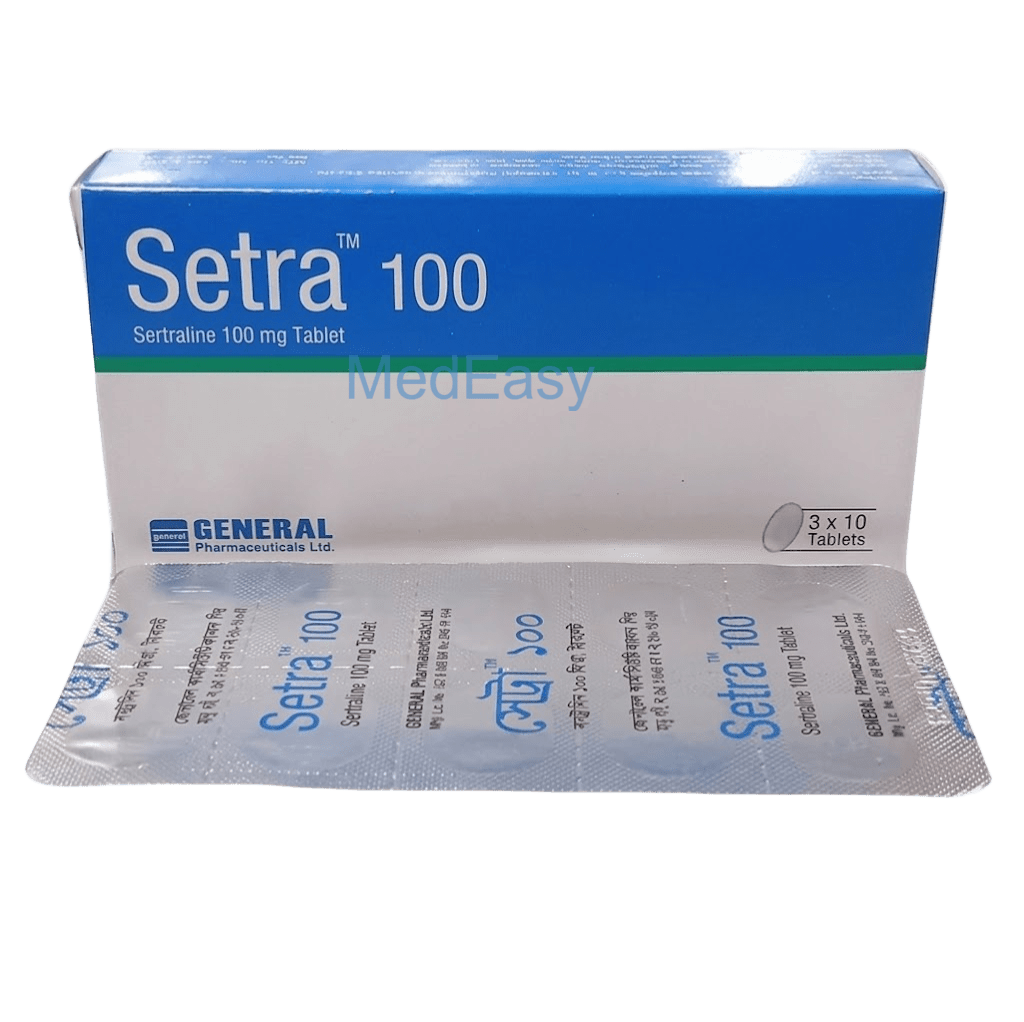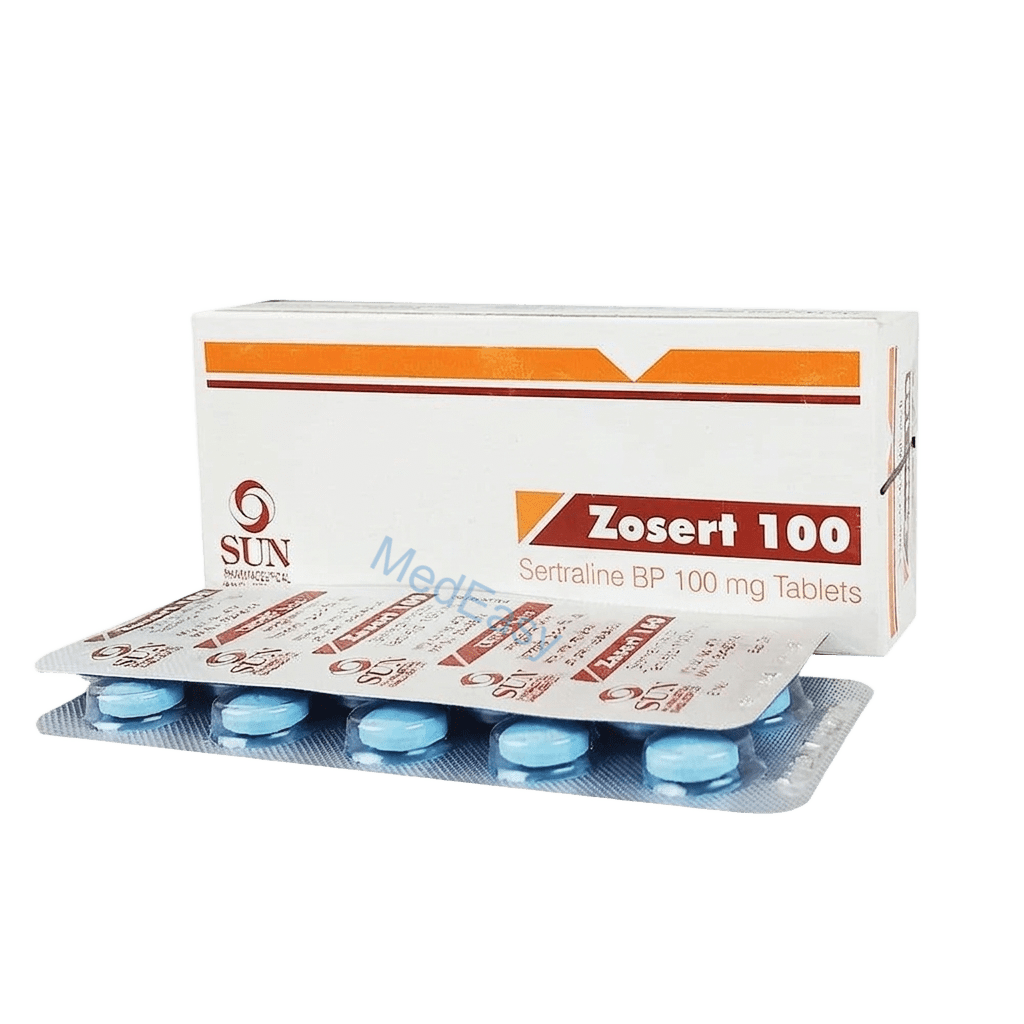
Generic medicine

Sertraline: Brands, Price & Uses in Bangladesh

Sertraline is a selective serotonin reuptake inhibitor (SSRI) approved for the treatment of several psychiatric conditions in adults, and for one indication in pediatric patients.

Forms:Tablet

About Sertraline

Indications of Sertraline

Sertraline is a selective serotonin reuptake inhibitor (SSRI) approved for the treatment of several psychiatric conditions in adults, and for one indication in pediatric patients. Evidence and approval status vary by indication:

FDA-approved / established indications (adults)

  • Major depressive disorder (MDD) - first-line treatment for moderate to severe depressive episodes.
  • Obsessive-compulsive disorder (OCD).
  • Panic disorder, with or without agoraphobia.
  • Post-traumatic stress disorder (PTSD).
  • Social anxiety disorder (social phobia).
  • Premenstrual dysphoric disorder (PMDD), given continuously or during the luteal phase only.

FDA-approved pediatric indication

  • Obsessive-compulsive disorder in children and adolescents aged 6-17 years. Sertraline is not approved for pediatric major depressive disorder.

Guideline-supported / commonly used off-label uses

  • Generalized anxiety disorder (GAD) - widely used based on clinical guidelines though not a formal FDA indication.
  • Other anxiety-spectrum and depressive presentations at a clinician's discretion, based on individual risk-benefit assessment.

Use of Sertraline should always be guided and monitored by a qualified physician.

Dosage & Administration of Sertraline

General principles

Sertraline is taken orally, once daily, in the morning or evening, with or without food. The dose should be individualized and initiated at a low dose with gradual titration based on response and tolerability, adjusted at intervals of no less than one week.

IndicationAdult starting doseUsual therapeutic range
Major depressive disorder50 mg once daily50-200 mg/day
Obsessive-compulsive disorder50 mg once daily50-200 mg/day
Panic disorder / PTSD / Social anxiety disorder25 mg once daily for the first week, then increase to 50 mg50-200 mg/day
Premenstrual dysphoric disorder50 mg once daily (continuous) or luteal-phase dosingUp to 150 mg/day continuous, or up to 100 mg/day for luteal-phase dosing

Pediatric dosing (OCD, ages 6-17 only)

  • Ages 6-12 years: start 25 mg once daily.
  • Ages 13-17 years: start 50 mg once daily.
  • Titrate gradually to a maximum of 200 mg/day as needed and tolerated, under close medical supervision.

Hepatic impairment

Use a lower dose or reduced frequency in patients with hepatic impairment; Sertraline should be used with caution and is not recommended in severe hepatic impairment.

Discontinuation

Sertraline should not be stopped abruptly; the dose should be tapered gradually under medical supervision to reduce the risk of discontinuation symptoms (see Precautions and Warnings).

Side Effects of Sertraline

Most side effects of Sertraline are dose-related and tend to diminish with continued use. Report persistent or severe symptoms to a physician.

Common side effects

  • Nausea, diarrhea, dyspepsia, dry mouth, decreased appetite
  • Insomnia, somnolence (drowsiness), dizziness, headache, tremor
  • Increased sweating
  • Sexual dysfunction, including delayed ejaculation and decreased libido
  • Fatigue

Less common but serious side effects (seek prompt medical attention)

  • Signs of serotonin syndrome: agitation, hallucinations, rapid heartbeat, fever, muscle stiffness/twitching, loss of coordination, nausea, vomiting, diarrhea
  • Unusual bleeding or bruising
  • Signs of low sodium (hyponatremia): headache, confusion, weakness, unsteadiness (more common in elderly patients)
  • Activation of mania or hypomania in patients with underlying bipolar disorder
  • New or worsening suicidal thoughts or behavior, especially in children, adolescents, and young adults (see Precautions and Warnings)
  • Seizures
  • Allergic reactions: rash, swelling, difficulty breathing

Contraindications of Sertraline

  • Known hypersensitivity to Sertraline or any component of the formulation.
  • Concomitant use with, or use within 14 days of stopping, a monoamine oxidase inhibitor (MAOI) intended to treat psychiatric disorders, due to the risk of serotonin syndrome.
  • Concomitant use with pimozide, due to risk of significant QT prolongation.
  • Concomitant use of the oral concentrate formulation of Sertraline with disulfiram, due to the alcohol content of that specific formulation.

Frequently Asked Questions about Sertraline

What is Sertraline used for?

Sertraline is an SSRI antidepressant used to treat major depressive disorder, obsessive-compulsive disorder (OCD), panic disorder, post-traumatic stress disorder (PTSD), social anxiety disorder, and premenstrual dysphoric disorder (PMDD). In children and adolescents (ages 6-17), it is approved only for OCD.

How long does it take for Sertraline to work?

It often takes several weeks (commonly 4-6 weeks, sometimes up to 8 weeks) of regular use to feel the full benefit of Sertraline. Do not stop taking it early just because you do not notice immediate improvement - discuss any concerns with your physician.

Can I stop taking Sertraline suddenly?

No. Stopping Sertraline abruptly can cause discontinuation symptoms such as dizziness, irritability, anxiety, sensory disturbances, and sleep problems. Always taper the dose gradually under a physician's supervision when discontinuing Sertraline.

Is Sertraline safe during pregnancy or breastfeeding?

Sertraline should be used during pregnancy or while breastfeeding only if the potential benefit clearly justifies the potential risk, and only under a physician's guidance. It is not automatically considered unsafe, but it is not established as risk-free either - discuss your individual situation with your doctor before starting, stopping, or continuing Sertraline.

What should I avoid while taking Sertraline?

Avoid combining Sertraline with monoamine oxidase inhibitors (MAOIs), which is strictly contraindicated due to the risk of serotonin syndrome. Use caution with other serotonergic drugs (such as tramadol, triptans, and St. John's Wort), NSAIDs/aspirin/blood thinners (increased bleeding risk), and alcohol. Always tell your physician about all medicines and supplements you take before starting Sertraline.

What are the serious warning signs to watch for with Sertraline?

Seek immediate medical attention if you or a family member taking Sertraline develops new or worsening suicidal thoughts, unusual behavior changes (especially in children, adolescents, and young adults), symptoms of serotonin syndrome (agitation, rapid heartbeat, fever, muscle stiffness, confusion), unusual bleeding, or an allergic reaction.

Disclaimer

The information provided is accurate to the best of our knowledge, but it does not replace professional medical advice. We cannot guarantee its completeness or accuracy, and the absence of specific information about a drug should not be taken as an endorsement. We are not responsible for any consequences arising from this information, so please consult a healthcare professional for any concerns or questions.

DoctorBlogArticles