
Generic medicine

Sevelamer Hydrochloride: Brands, Price & Uses in Bangladesh

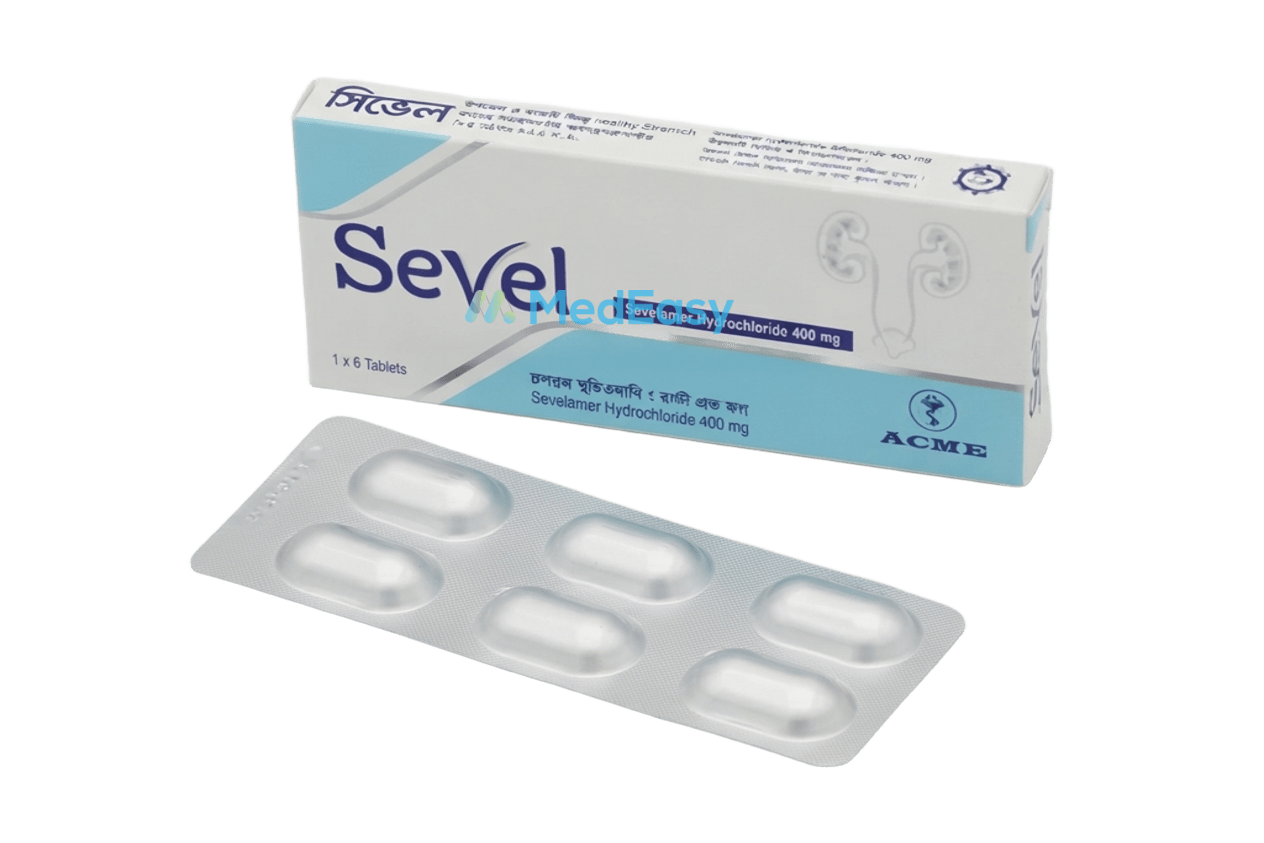
Sevelamer Hydrochloride is a non-calcium, non-metal phosphate-binding agent primarily used in the management of hyperphosphatemia (elevated blood phosphorus) in patients with chronic kidney disease…

Forms:Tablet

About Sevelamer Hydrochloride

Indications of Sevelamer Hydrochloride

Sevelamer Hydrochloride is a non-calcium, non-metal phosphate-binding agent primarily used in the management of hyperphosphatemia (elevated blood phosphorus) in patients with chronic kidney disease (CKD).

Established / FDA-approved use

  • Control of serum phosphorus levels in adult patients with chronic kidney disease who are on dialysis (hemodialysis or peritoneal dialysis).

Guideline-supported / broader nephrology use

  • Some patients with advanced CKD not yet on dialysis (CKD stage 4-5) are managed with Sevelamer Hydrochloride as part of an overall phosphorus-control strategy, guided by nephrology assessment and local guidelines, alongside dietary phosphate restriction.

Sevelamer Hydrochloride does not treat the underlying kidney disease itself; it is used as part of a broader chronic kidney disease/dialysis management plan that also requires regular monitoring of serum phosphorus and calcium by the treating nephrology team.

Dosage & Administration of Sevelamer Hydrochloride

Adult dose (patients on dialysis)

Serum phosphorus levelTypical starting dose
Not previously on a phosphate binder800-1600 mg three times daily with meals
Switching from another phosphate binderDose determined by equivalent binding capacity, per physician guidance

The dose of Sevelamer Hydrochloride is individualized and titrated in increments (commonly by 400-800 mg per meal) at 2-week intervals or as directed by the treating physician, based on serial serum phosphorus measurements, aiming for a target phosphorus level.

Pediatric dose

Safety and efficacy of Sevelamer Hydrochloride have not been well established in pediatric patients; use in children should only occur under close nephrology supervision, if at all.

Renal/hepatic adjustment

Sevelamer Hydrochloride is not systemically absorbed, so no specific dose adjustment based on renal or hepatic function is established beyond the underlying indication itself (chronic kidney disease/dialysis).

Administration instructions

  • Must be taken with meals (or immediately before/after meals) - it is not effective and should not be taken apart from food, since its phosphate-binding action depends on being present in the gut together with dietary phosphate.
  • Tablets should be swallowed whole and not crushed, chewed, or broken.
  • Do not stop or change the dose of Sevelamer Hydrochloride without consulting the treating physician, since serum phosphorus must be monitored regularly to guide dose changes.

Side Effects of Sevelamer Hydrochloride

The most common side effects of Sevelamer Hydrochloride involve the gastrointestinal system and can be significant, especially with higher pill burden:

  • Nausea and vomiting
  • Dyspepsia (indigestion)
  • Diarrhea
  • Constipation
  • Abdominal pain/bloating

Rare but serious effects include bowel obstruction or impaction, particularly in patients with pre-existing gastrointestinal motility disorders, prior gastrointestinal surgery, or other gastrointestinal risk factors. Patients should seek prompt medical attention for severe abdominal pain, inability to pass stool, or persistent vomiting.

Contraindications of Sevelamer Hydrochloride

Sevelamer Hydrochloride is contraindicated in:

  • Patients with known hypersensitivity to Sevelamer Hydrochloride or any component of the formulation.
  • Patients with bowel obstruction.

Frequently Asked Questions about Sevelamer Hydrochloride

What is Sevelamer Hydrochloride used for?

Sevelamer Hydrochloride is used to control high blood phosphorus levels (hyperphosphatemia) in patients with chronic kidney disease, particularly those on dialysis.

How should I take Sevelamer Hydrochloride?

Sevelamer Hydrochloride should always be taken with meals, swallowed whole with liquid. It should not be crushed or chewed, and it will not work properly if taken without food.

What are the common side effects of Sevelamer Hydrochloride?

The most common side effects are gastrointestinal, including nausea, vomiting, dyspepsia, diarrhea, and constipation. Rarely, bowel obstruction can occur, especially in people with gastrointestinal motility problems; seek medical attention for severe abdominal pain or inability to pass stool.

Who should not take Sevelamer Hydrochloride?

Sevelamer Hydrochloride should not be used by people with a known hypersensitivity to Sevelamer Hydrochloride or by people with bowel obstruction.

Can Sevelamer Hydrochloride affect my other medications?

Yes. Sevelamer Hydrochloride can reduce the absorption of certain oral medicines (such as ciprofloxacin, some immunosuppressants like cyclosporine or tacrolimus, and levothyroxine) and fat-soluble vitamins (A, D, E, K) if taken at the same time. Your physician may advise spacing out doses of these medications from Sevelamer Hydrochloride.

Is Sevelamer Hydrochloride safe during pregnancy or breastfeeding?

Data are limited. Sevelamer Hydrochloride should be used during pregnancy only if clearly needed and the potential benefit justifies the potential risk to the fetus, and only under medical supervision. Breastfeeding mothers should also consult their physician, since Sevelamer Hydrochloride can reduce absorption of fat-soluble vitamins.

Disclaimer

The information provided is accurate to the best of our knowledge, but it does not replace professional medical advice. We cannot guarantee its completeness or accuracy, and the absence of specific information about a drug should not be taken as an endorsement. We are not responsible for any consequences arising from this information, so please consult a healthcare professional for any concerns or questions.
DoctorBlogArticles