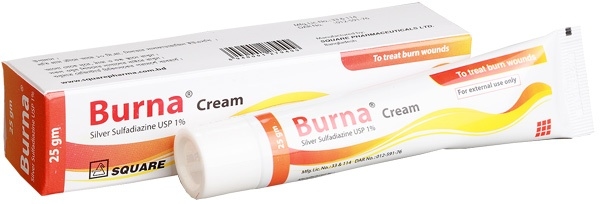
Generic medicine

Silver Sulfadiazine: Brands, Price & Uses in Bangladesh

Silver Sulfadiazine is a topical antimicrobial cream with the following established uses: FDA-Approved / Established Use Adjunctive treatment for prevention and treatment of wound sepsis in patients…

Forms:Cream

About Silver Sulfadiazine

Indications of Silver Sulfadiazine

Silver Sulfadiazine is a topical antimicrobial cream with the following established uses:

FDA-Approved / Established Use

  • Adjunctive treatment for prevention and treatment of wound sepsis in patients with second-degree and third-degree burns. Silver Sulfadiazine is used as an adjunct to, not a replacement for, other standard burn management measures (fluid resuscitation, debridement, nutritional support).

Guideline-Supported / Widely Accepted Use

  • Topical prophylaxis against bacterial colonization and infection in other contaminated or infection-prone wounds (e.g. abrasions, minor cuts, pressure ulcers, leg ulcers) where clinically indicated, though evidence is strongest for burns.

Silver Sulfadiazine is not effective against established deep-tissue or systemic infection and is not a substitute for systemic antibiotics when systemic infection is present.

Dosage & Administration of Silver Sulfadiazine

IndicationDirections
Second- and third-degree burns; infection-prone wounds (adults and children >2 months)After cleansing and debriding the wound using aseptic technique, apply Silver Sulfadiazine cream to a thickness of approximately 1.5-3 mm (about 1/16 inch) once or twice daily so that the wound is covered with cream at all times. Reapply promptly to any areas from which the cream has been removed (e.g. by patient activity or hydrotherapy). Continue treatment until satisfactory healing has occurred or the burn site is ready for grafting.

Apply only to affected skin using sterile gloved hands or a sterile applicator; do not apply to eyes, mucous membranes, or with bare/non-sterile hands, to reduce risk of secondary wound infection. Take exactly as prescribed by your physician; do not stop, extend, skip applications, or share this medicine with others without medical advice.

Side Effects of Silver Sulfadiazine

The most common adverse effect with Silver Sulfadiazine is:

  • Transient leukopenia - usually appears 2-4 days after starting treatment and typically resolves spontaneously within 2-3 days even with continued therapy; more common with extensive burn surface area treated. Monitor white blood cell counts periodically, particularly in patients with large burns.

Less common effects include:

  • Burning sensation, itching, rash, and other local skin reactions at the application site
  • Skin discoloration (argyria-like discoloration with prolonged use) and skin necrosis
  • Erythema multiforme
  • Interstitial nephritis and other renal effects with extensive systemic absorption
  • Fungal superinfection (low incidence)
  • Delayed eschar separation

Rare but serious reactions associated with systemic sulfonamide absorption (agranulocytosis, aplastic anemia, thrombocytopenia, hemolytic anemia, Stevens-Johnson syndrome, toxic epidermal necrolysis, hepatotoxicity) have been reported; discontinue and seek medical attention if signs of a serious reaction occur (fever, blistering, widespread rash, unusual bleeding or bruising, jaundice).

Contraindications of Silver Sulfadiazine

Silver Sulfadiazine is contraindicated in:

  • Patients with known hypersensitivity to Silver Sulfadiazine, sulfonamides, or any component of the cream.
  • Pregnant women at or near term (risk of kernicterus in the newborn from displacement of bilirubin by sulfonamide).
  • Premature infants and newborn infants during the first 2 months of life (risk of kernicterus due to displacement of bilirubin from plasma protein binding sites, and immature glucuronidation/excretion pathways).

Frequently Asked Questions about Silver Sulfadiazine

What is Silver Sulfadiazine used for?

Silver Sulfadiazine is a topical antimicrobial cream used mainly to prevent and treat wound infection (sepsis) in patients with second- and third-degree burns, and in some other contaminated or infection-prone wounds.

How should I apply Silver Sulfadiazine?

Clean and gently debride the wound as directed, then apply a layer of Silver Sulfadiazine about 1.5-3 mm thick using a sterile gloved hand, once or twice daily, keeping the wound covered with cream at all times. Continue exactly as prescribed by your physician; do not stop, extend, skip doses, or share this medicine with others without medical advice.

Who should not use Silver Sulfadiazine?

Silver Sulfadiazine should not be used by anyone with known hypersensitivity to it or to other sulfonamides, by pregnant women at or near term, or in premature infants and newborns during the first 2 months of life, because of the risk of kernicterus (a serious form of newborn jaundice affecting the brain).

What are the common side effects of Silver Sulfadiazine?

The most common side effect is transient leukopenia (a temporary drop in white blood cell count), usually appearing 2-4 days after starting treatment and resolving on its own within a few days. Other effects can include burning, itching, rash, skin discoloration, and, rarely, more serious blood, skin, kidney, or liver reactions, especially with extensive burn areas treated.

Can Silver Sulfadiazine be used during pregnancy or breastfeeding?

Silver Sulfadiazine is contraindicated in women at or near term due to risk of newborn kernicterus. Earlier in pregnancy, or while breastfeeding, it should be used only if clearly needed and after consulting a physician, since sulfonamides can cross into breast milk and the placenta.

What should I do if I suspect an overdose or excessive absorption of Silver Sulfadiazine?

If signs of a serious reaction occur (unusual bruising or bleeding, jaundice, difficulty breathing, widespread rash) after using Silver Sulfadiazine, stop use and seek immediate medical attention or contact a poison control center right away.

Disclaimer

The information provided is accurate to the best of our knowledge, but it does not replace professional medical advice. We cannot guarantee its completeness or accuracy, and the absence of specific information about a drug should not be taken as an endorsement. We are not responsible for any consequences arising from this information, so please consult a healthcare professional for any concerns or questions.

DoctorBlogArticles