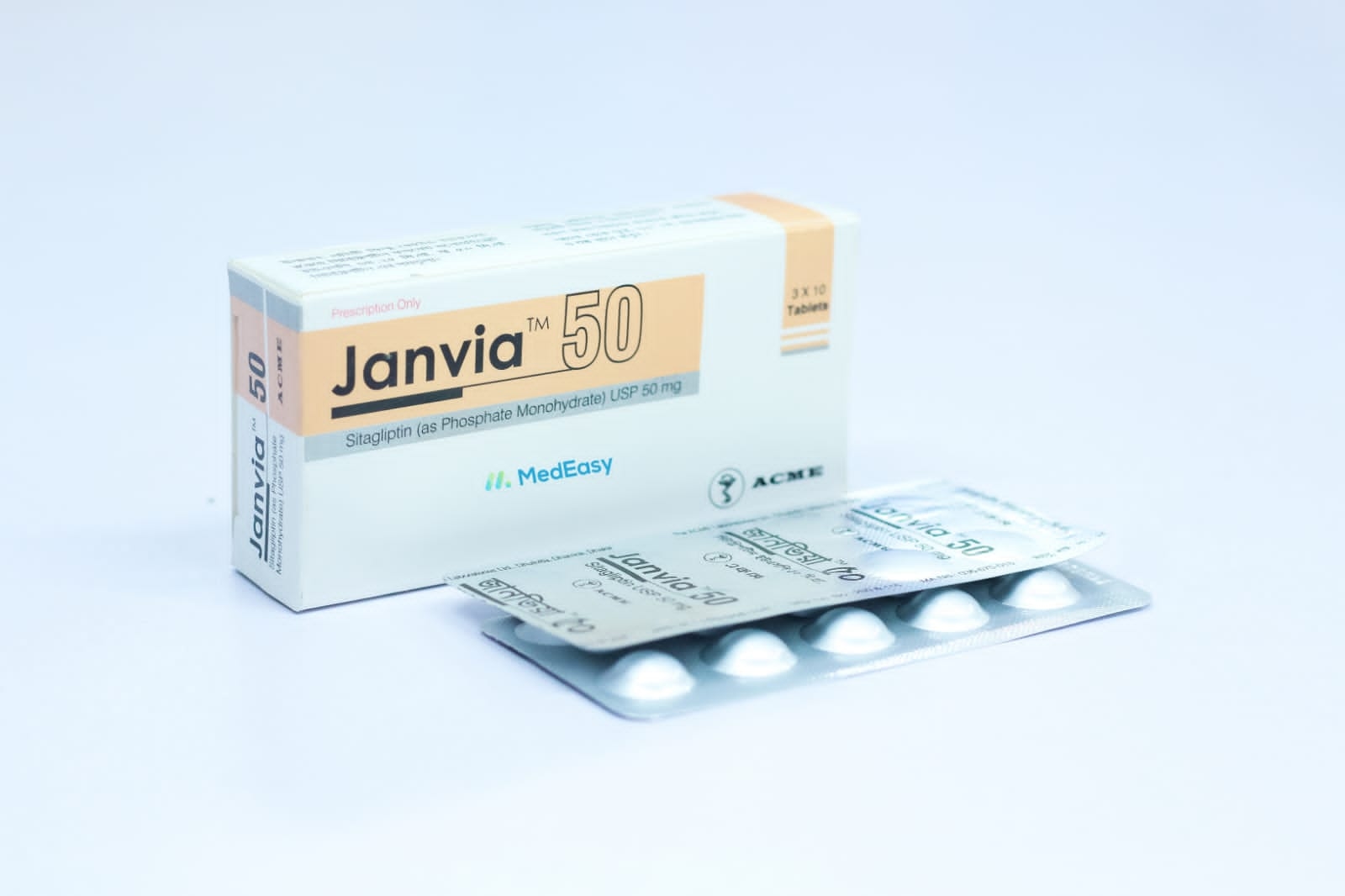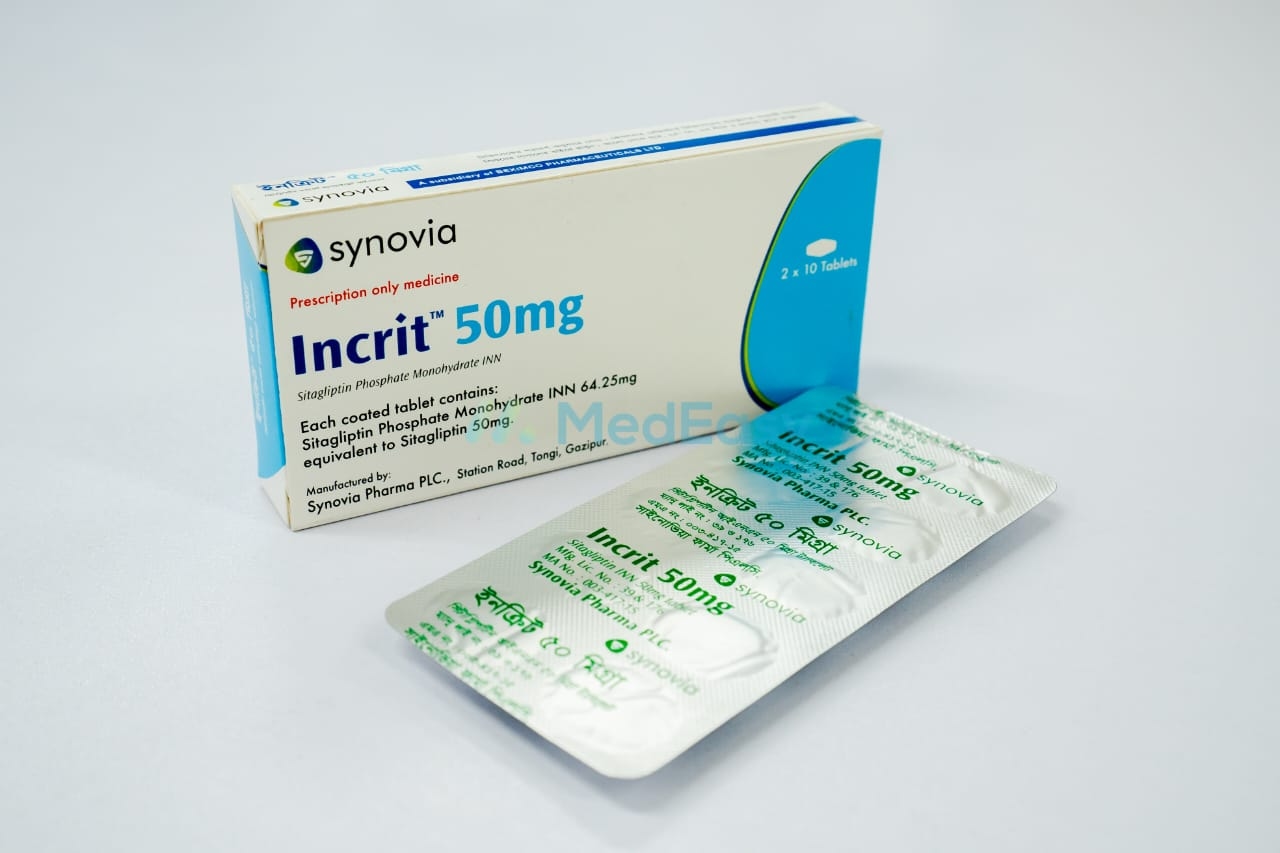
Generic medicine

Sitagliptin: Brands, Price & Uses in Bangladesh

Sitagliptin is indicated for the following uses: Established indication: As an adjunct to diet and exercise to improve glycemic (blood sugar) control in adults with type 2 diabetes mellitus and more.

Forms:Tablet

About Sitagliptin

Indications of Sitagliptin

Sitagliptin is indicated for the following uses:

  • Established indication: As an adjunct to diet and exercise to improve glycemic (blood sugar) control in adults with type 2 diabetes mellitus, used as monotherapy or in combination with other antidiabetic agents (e.g., metformin, sulfonylureas, pioglitazone, or insulin).
  • Guideline-supported combination use: Sitagliptin is commonly added when metformin alone does not achieve adequate glycemic control, per standard type 2 diabetes treatment guidelines.
  • Requires-combination indication: When used together with insulin or a sulfonylurea, Sitagliptin is indicated as add-on therapy to improve glycemic control, with a lower dose of the insulin or sulfonylurea often needed to reduce hypoglycemia risk.

Sitagliptin is not indicated for type 1 diabetes mellitus or for the treatment of diabetic ketoacidosis.

Dosage & Administration of Sitagliptin

The dose of Sitagliptin is individualized based on the indication, current antidiabetic regimen, and renal function. See the dosage and administration sections below for details, and use_in_special_populations for renal dose adjustment.

Side Effects of Sitagliptin

Common side effects of Sitagliptin include:

  • Upper respiratory tract infection
  • Nasopharyngitis (common cold-like symptoms)
  • Headache
  • Hypoglycemia (mainly when combined with insulin or a sulfonylurea)

Less common but serious effects that require prompt medical attention include acute pancreatitis, severe joint pain (arthralgia), skin blistering (bullous pemphigoid), and hypersensitivity reactions. See precautions_and_warnings for details.

Contraindications of Sitagliptin

Sitagliptin is contraindicated in patients with a history of a serious hypersensitivity reaction to Sitagliptin, such as anaphylaxis, angioedema, or severe cutaneous reactions (e.g., Stevens-Johnson syndrome).

Frequently Asked Questions about Sitagliptin

What is Sitagliptin used for?

Sitagliptin is used along with diet and exercise to lower blood sugar in adults with type 2 diabetes. It is not used for type 1 diabetes.

How should I take Sitagliptin?

Sitagliptin is usually taken as one tablet by mouth once daily, with or without food, at the same time each day, exactly as prescribed by your doctor.

Can Sitagliptin cause low blood sugar (hypoglycemia)?

Sitagliptin alone has a low risk of causing hypoglycemia. However, the risk increases if Sitagliptin is taken together with insulin or a sulfonylurea medicine, and your doctor may need to lower the dose of those other medicines.

What should I do if I get severe stomach pain while taking Sitagliptin?

Persistent, severe abdominal pain, with or without vomiting, could be a sign of pancreatitis, a rare but serious side effect of Sitagliptin. Stop taking Sitagliptin and seek medical attention immediately if this occurs.

Is Sitagliptin safe for someone with kidney problems?

Sitagliptin can be used in kidney impairment, but the dose usually needs to be reduced based on kidney function. Your doctor will check your kidney function before and during treatment with Sitagliptin and adjust the dose accordingly.

Can I stop taking Sitagliptin once my blood sugar is normal?

Do not stop Sitagliptin or change the dose without talking to your doctor first, even if your blood sugar improves, as stopping suddenly may cause your blood sugar to rise again.

Disclaimer

The information provided is accurate to the best of our knowledge, but it does not replace professional medical advice. We cannot guarantee its completeness or accuracy, and the absence of specific information about a drug should not be taken as an endorsement. We are not responsible for any consequences arising from this information, so please consult a healthcare professional for any concerns or questions.
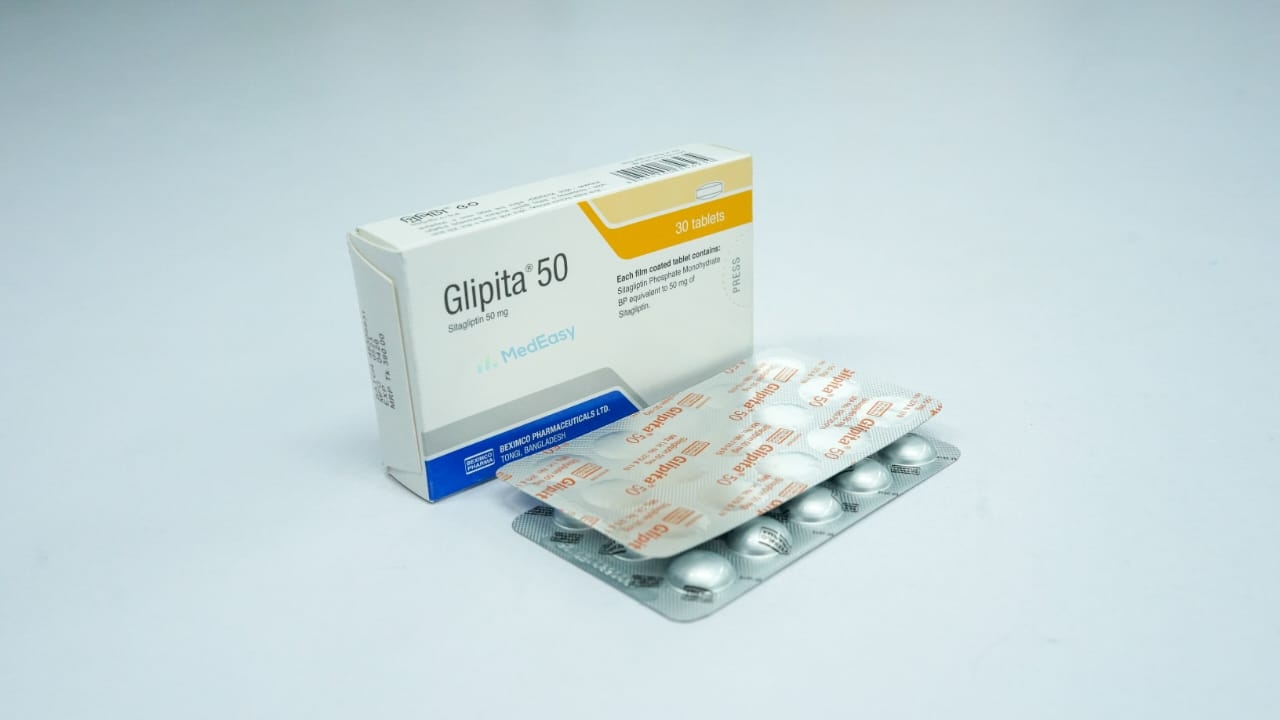
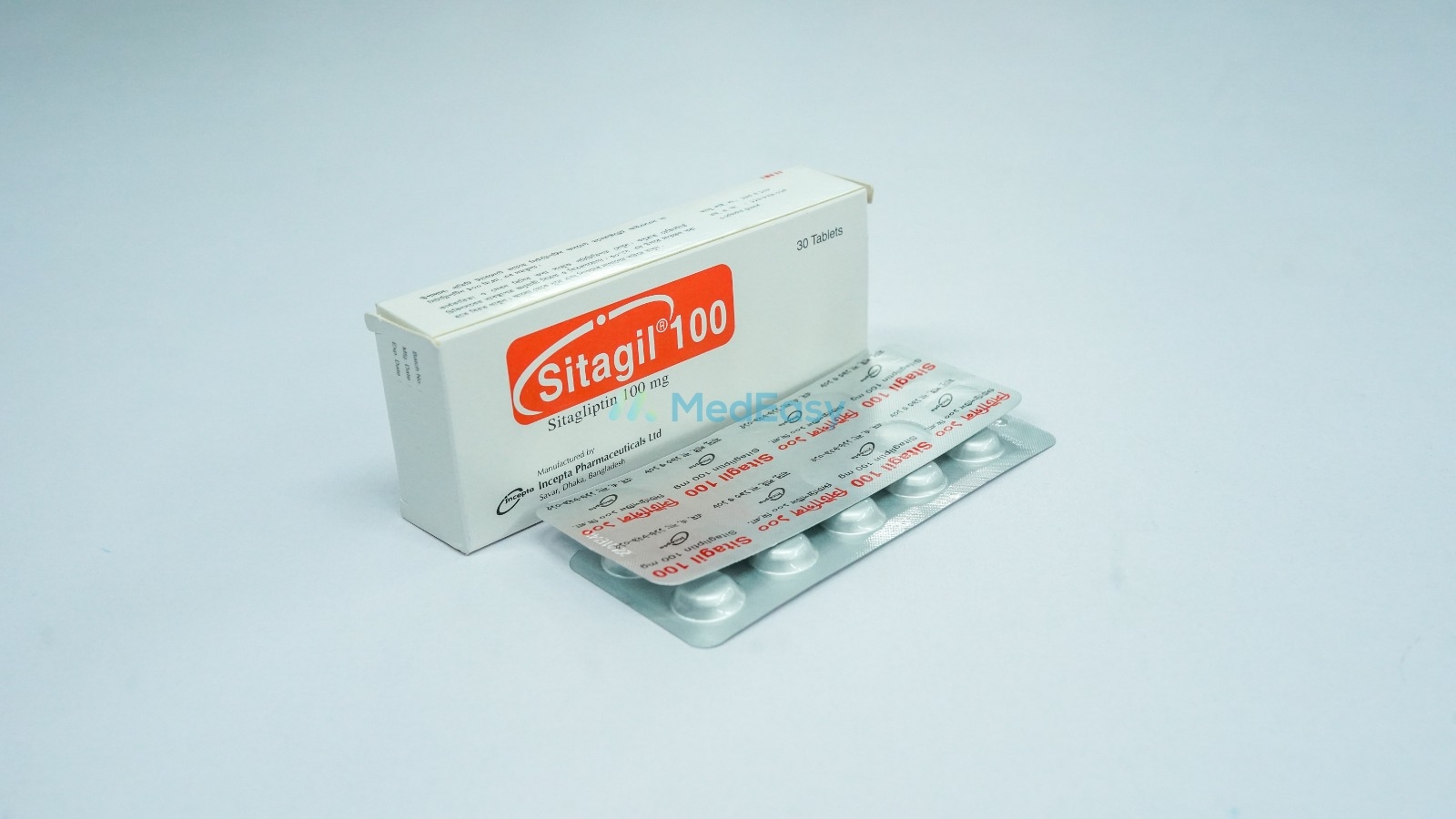
DoctorBlogArticles