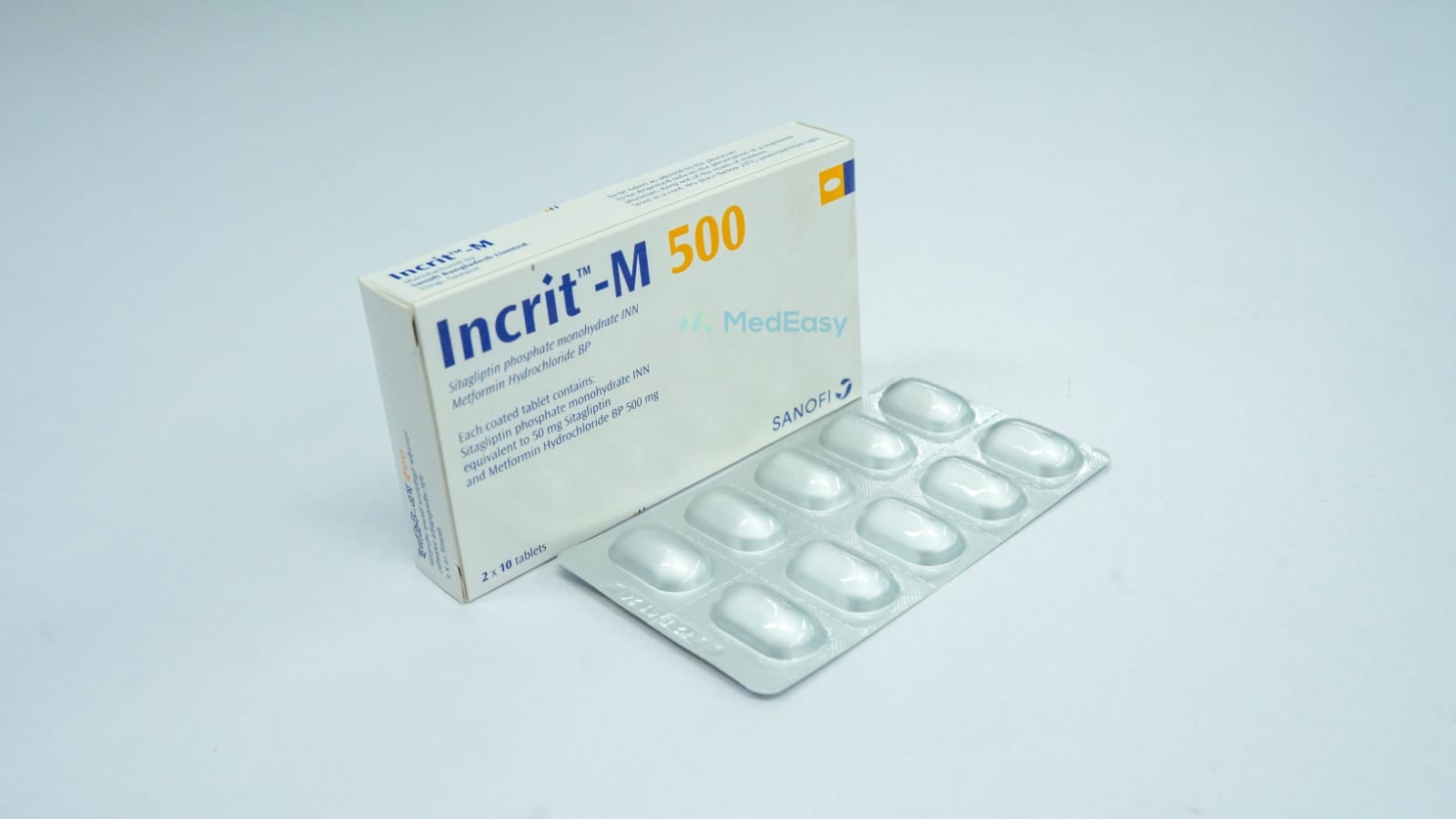
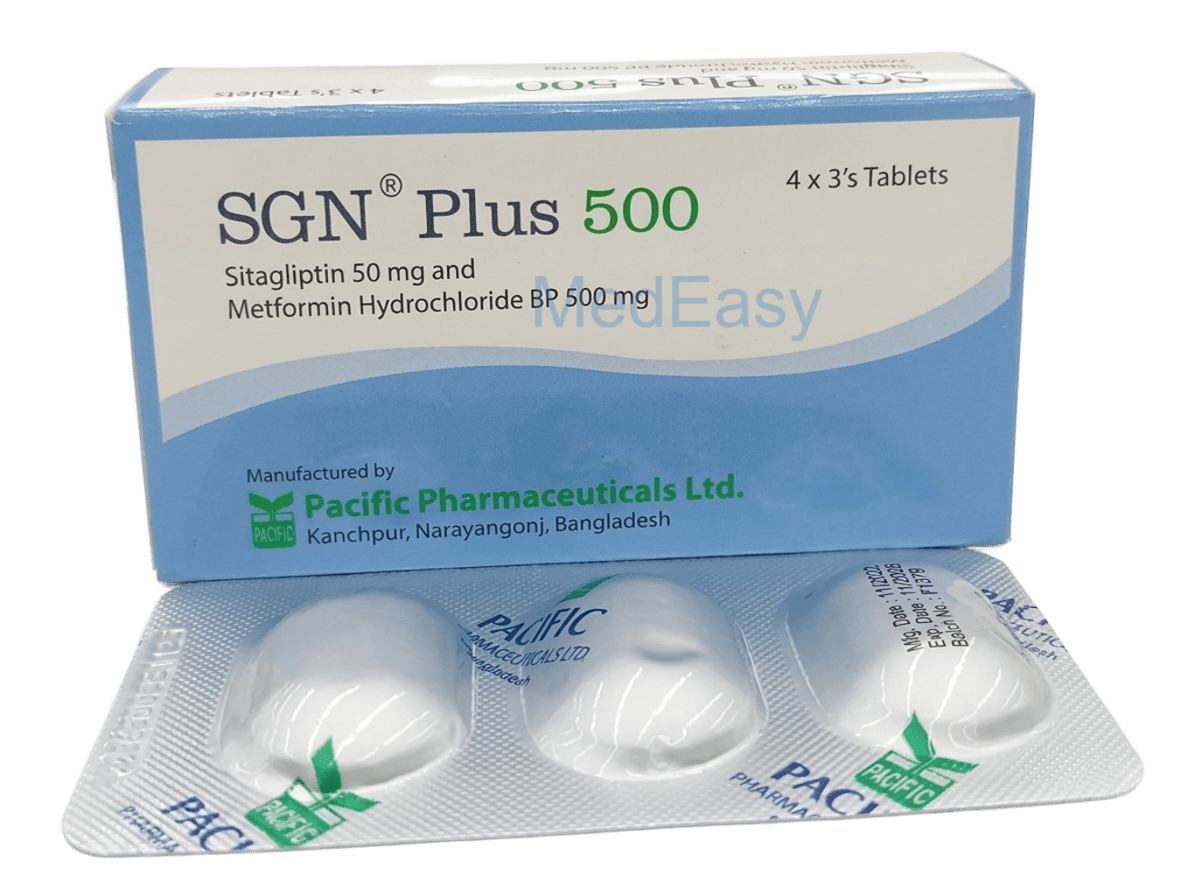
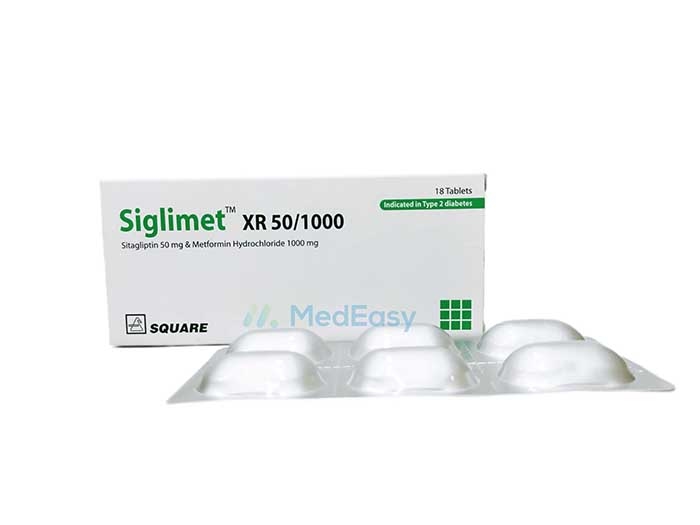
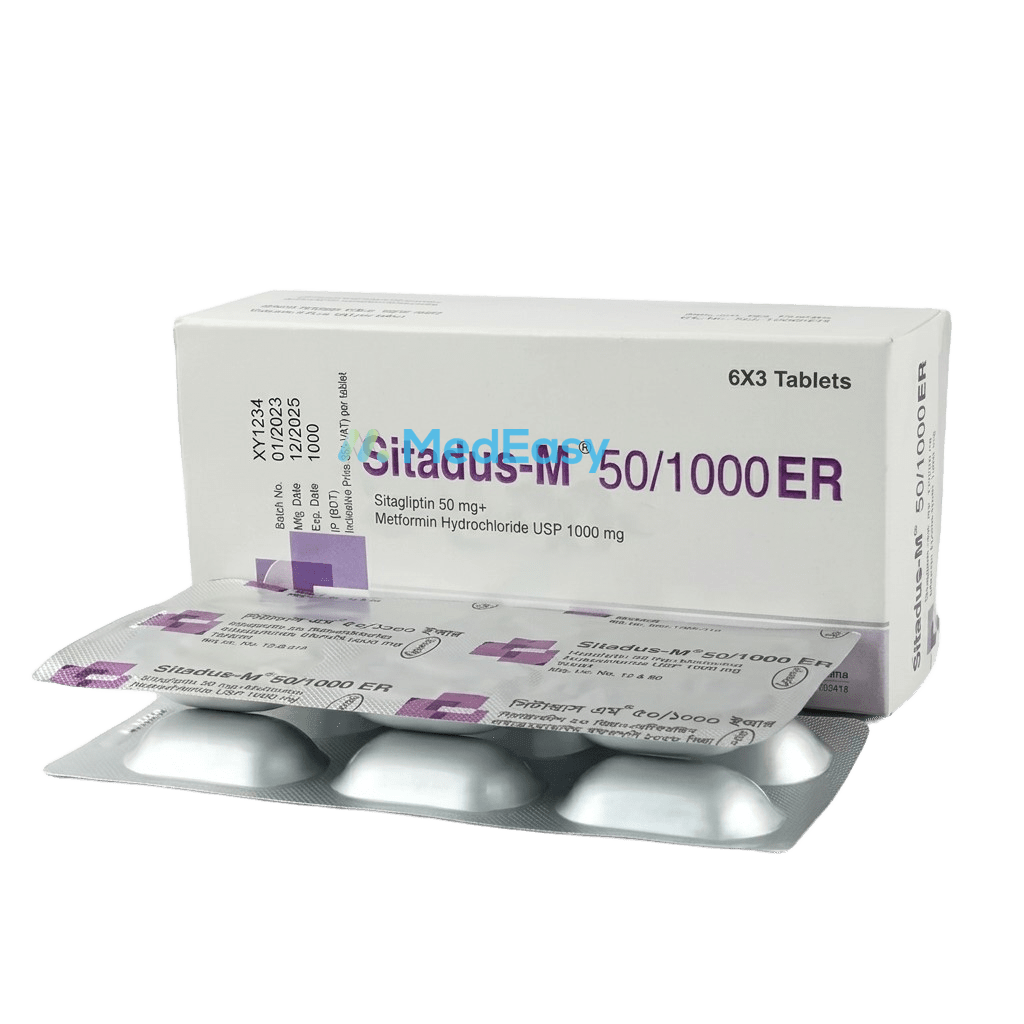
Generic medicine

Sitagliptin + Metformin Hydrochloride: Brands, Price & Uses in Bangladesh

Established Use Sitagliptin + Metformin Hydrochloride is indicated, together with diet and exercise, to improve blood sugar (glycemic) control in adults with type 2 diabetes mellitus.

Forms:Tablet

About Sitagliptin + Metformin Hydrochloride

Indications of Sitagliptin + Metformin Hydrochloride

Established Use

Sitagliptin + Metformin Hydrochloride is indicated, together with diet and exercise, to improve blood sugar (glycemic) control in adults with type 2 diabetes mellitus. Sitagliptin + Metformin Hydrochloride may be used:

  • As initial combination therapy in adults who need both a DPP-4 inhibitor and metformin to reach their blood sugar targets.
  • As add-on therapy in adults whose type 2 diabetes is not adequately controlled on metformin alone, on sitagliptin alone, or on metformin combined with a sulfonylurea or insulin, when treatment with both components is appropriate.

Limitations of Use

  • Sitagliptin + Metformin Hydrochloride is not indicated for type 1 diabetes mellitus or for the treatment of diabetic ketoacidosis.
  • Sitagliptin + Metformin Hydrochloride has not been studied in patients with a history of pancreatitis, and Sitagliptin + Metformin Hydrochloride is not a substitute for diet and exercise, which should be continued throughout treatment.

Dosage & Administration of Sitagliptin + Metformin Hydrochloride

The dose of Sitagliptin + Metformin Hydrochloride is individualized based on a patient's current diabetes treatment, blood sugar control, and kidney function. Sitagliptin + Metformin Hydrochloride is generally taken by mouth with meals, and the tablets should never be split, crushed, or chewed. The information below outlines typical dosing patterns; the exact dose and schedule should always be determined and adjusted by a qualified healthcare professional and is not the same for every patient.

Side Effects of Sitagliptin + Metformin Hydrochloride

Common Side Effects

Diarrhea, nausea/vomiting, flatulence, abdominal discomfort, indigestion, headache, and upper respiratory tract infection are commonly reported. Low blood sugar (hypoglycemia) can occur, particularly when Sitagliptin + Metformin Hydrochloride is combined with insulin or a sulfonylurea.

Serious Side Effects - Seek Medical Attention

  • Signs of lactic acidosis - unusual muscle pain, difficulty breathing, unusual sleepiness, abdominal pain with nausea or vomiting, feeling cold, dizziness, or a slow or irregular heartbeat (see Precautions and Warnings).
  • Signs of acute pancreatitis - severe, persistent abdominal pain, sometimes spreading to the back, with or without vomiting.
  • Serious allergic reactions - swelling of the face, lips, tongue, or throat, difficulty breathing or swallowing, or severe skin reactions such as blistering (Stevens-Johnson syndrome or bullous pemphigoid).
  • Signs of heart failure - unusual shortness of breath, rapid weight gain, or swelling in the ankles or legs.
  • Reduced kidney function.
  • Symptoms of vitamin B12 deficiency with long-term use - unusual tiredness, weakness, or tingling in the hands or feet.
  • Severe or persistent joint pain.

Contraindications of Sitagliptin + Metformin Hydrochloride

  • Severe renal impairment (estimated glomerular filtration rate, eGFR, below 30 mL/min/1.73 m²).
  • Acute or chronic metabolic acidosis, including diabetic ketoacidosis, with or without coma.
  • Known history of a serious hypersensitivity reaction (such as anaphylaxis, angioedema, or severe skin reactions) to Sitagliptin + Metformin Hydrochloride or to either of its active components.

Frequently Asked Questions about Sitagliptin + Metformin Hydrochloride

What is Sitagliptin + Metformin Hydrochloride used for?

Sitagliptin + Metformin Hydrochloride is used, along with diet and exercise, to help control blood sugar levels in adults with type 2 diabetes. Sitagliptin + Metformin Hydrochloride combines two medicines, sitagliptin and metformin, that work in different ways to lower blood sugar; Sitagliptin + Metformin Hydrochloride is not used for type 1 diabetes or diabetic ketoacidosis.

How is Sitagliptin + Metformin Hydrochloride usually taken?

Sitagliptin + Metformin Hydrochloride is usually taken twice daily with meals, swallowed whole with water, to help reduce stomach upset. The exact dose depends on individual factors such as current diabetes treatment and kidney function, and should be prescribed by a doctor.

What is the maximum recommended dose of Sitagliptin + Metformin Hydrochloride?

The maximum recommended daily dose of Sitagliptin + Metformin Hydrochloride is 100 mg of sitagliptin and 2000 mg of metformin, usually divided into two doses taken with meals. A doctor determines the right dose for each patient based on blood sugar control and kidney function.

Can Sitagliptin + Metformin Hydrochloride be taken with milk?

Sitagliptin + Metformin Hydrochloride is generally taken with meals rather than with a specific drink, and taking Sitagliptin + Metformin Hydrochloride with food (which may include milk) can help reduce stomach upset. There is no specific restriction on having milk with Sitagliptin + Metformin Hydrochloride, but Sitagliptin + Metformin Hydrochloride should always be taken as part of a meal, following a doctor's instructions.

What are the common side effects of Sitagliptin + Metformin Hydrochloride?

The most common side effects of Sitagliptin + Metformin Hydrochloride include diarrhea, nausea, flatulence, stomach discomfort, indigestion, headache, and upper respiratory tract infection. Low blood sugar (hypoglycemia) can occur, particularly when Sitagliptin + Metformin Hydrochloride is combined with insulin or a sulfonylurea (see Side Effects for the full list, including rare but serious reactions).

Is Sitagliptin + Metformin Hydrochloride safe to use during pregnancy?

There is not enough data to confirm the safety of Sitagliptin + Metformin Hydrochloride during pregnancy, and Sitagliptin + Metformin Hydrochloride should only be used if a doctor decides the benefit clearly outweighs the risk, since uncontrolled diabetes itself carries risks for mother and baby. Anyone who is pregnant or planning pregnancy while taking Sitagliptin + Metformin Hydrochloride should discuss their treatment with a doctor (see Pregnancy and Lactation).

Can children take Sitagliptin + Metformin Hydrochloride?

No. Safety and effectiveness of Sitagliptin + Metformin Hydrochloride have not been established in children, and Sitagliptin + Metformin Hydrochloride is not recommended for pediatric use (see Pediatric Uses).

What medicines can interact with Sitagliptin + Metformin Hydrochloride?

Sitagliptin + Metformin Hydrochloride can interact with iodinated contrast dyes used in imaging, alcohol, certain diuretics or seizure medicines (carbonic anhydrase inhibitors), some drugs that reduce metformin clearance, and other diabetes medicines such as insulin or sulfonylureas, which can increase the risk of low blood sugar or lactic acidosis. Always tell your doctor about all medicines, supplements, and health conditions before starting Sitagliptin + Metformin Hydrochloride (see Interaction).

What should I do if I miss a dose of Sitagliptin + Metformin Hydrochloride?

If a dose of Sitagliptin + Metformin Hydrochloride is missed, take it as soon as remembered unless it is almost time for the next dose, in which case the missed dose should be skipped. Do not take two doses together to make up for a missed one; if doses are missed often, consult a doctor.

Disclaimer

The information provided is accurate to the best of our knowledge, but it does not replace professional medical advice. We cannot guarantee its completeness or accuracy, and the absence of specific information about a drug should not be taken as an endorsement. We are not responsible for any consequences arising from this information, so please consult a healthcare professional for any concerns or questions.

DoctorBlogArticles