5% Off
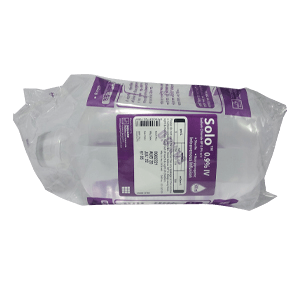
Saloride0.9%
Beximco Pharmaceuticals Ltd.
৳83.53
Out Of Stock
These intravenous solutions are indicated for use in adults and pediatric patients as sources of electrolytes and water for hydration.
These intravenous solutions are indicated for use in adults and pediatric patients as sources of electrolytes and water for hydration. 0.9% Sodium Chloride infusion is indicated for extracellular fluid replacement, treatment of metabolic alkalosis in the presence of fluid loss, and mild sodium depletion. 0.9% Sodium Chloride infusion is also indicated for use as a priming solution in hemodialysis procedures, and may be used to initiate and terminate blood transfusions without hemolyzing red blood cells. Sodium Chloride Infusions are also indicated as pharmaceutic aids and diluents for the infusion of compatible drug additives. Refer to prescribing information accompanying additive drugs.
This solution is for intravenous use only. Dosage is to be directed by a physician and is dependent upon age, weight, clinical condition of the patient and laboratory determinations. Frequent laboratory determinations and clinical evaluation are essential to monitor changes in blood glucose and electrolyte concentrations, and fluid and electrolyte balance during prolonged parenteral therapy.In the average adult, daily requirements of sodium and chloride are met by the infusion of one liter of 0.9% sodium chloride (154 mEq each of sodium and chloride). There is no specific pediatric dose. The dose is dependent on weight, clinical condition and laboratory results. Follow recommendations of appropriate pediatric reference text. Fluid administration should be based on calculated maintenance or replacement fluid requirements for each patient. 0.9% Sodium Chloride Injection may also be administered intravascularly as a priming fluid in hemodialysis procedures.When Sodium Chloride Injection is used as a diluent for infusion of compatible drug additive, refer to dosage and administration information accompanying additive drugs. Some additives may be incompatible. Consult with pharmacist. When introducing additives, use aseptic techniques. Mix thoroughly. Do not store. Parenteral drug products should be inspected visually for particulate matter and discoloration prior to administration, whenever solution and container permit.
Reactions which may occur because of the solution or the technique of administration include febrile response, infection at the site of injection, venous thrombosis or phlebitis extending from the site of injection, extravasation and hypervolemia. The physician should also be alert to the possibility of adverse reactions to drug additives. Prescribing information for drug additives to be administered in this manner should be consulted. Symptoms may result from an excess or deficit of one or more of the ions present in the solution; therefore, frequent monitoring of electrolyte levels is essential. Hypernatremia may be associated with edema and exacerbation of congestive heart failure due to the retention of water, resulting in an expanded extracellular fluid volume. If infused in large amounts, chloride ions may cause a loss of bicarbonate ions, resulting in an acidifying effect. If an adverse reaction does occur, discontinue the infusion, evaluate the patient, institute appropriate therapeutic countermeasures, and save the remainder of the fluid for examination if deemed necessary.
This solution is contraindicated where the administration of sodium or chloride could be clinically detrimental.
Disclaimer
The information provided is accurate to the best of our knowledge, but it does not replace professional medical advice. We cannot guarantee its completeness or accuracy, and the absence of specific information about a drug should not be taken as an endorsement. We are not responsible for any consequences arising from this information, so please consult a healthcare professional for any concerns or questions.