
Generic medicine

Sodium Valproate: Brands, Price & Uses in Bangladesh

Sodium Valproate is an anticonvulsant and mood-stabilising medicine used in the following conditions: Established / Approved Uses Epilepsy: Monotherapy or adjunctive (add-on) therapy for complex…

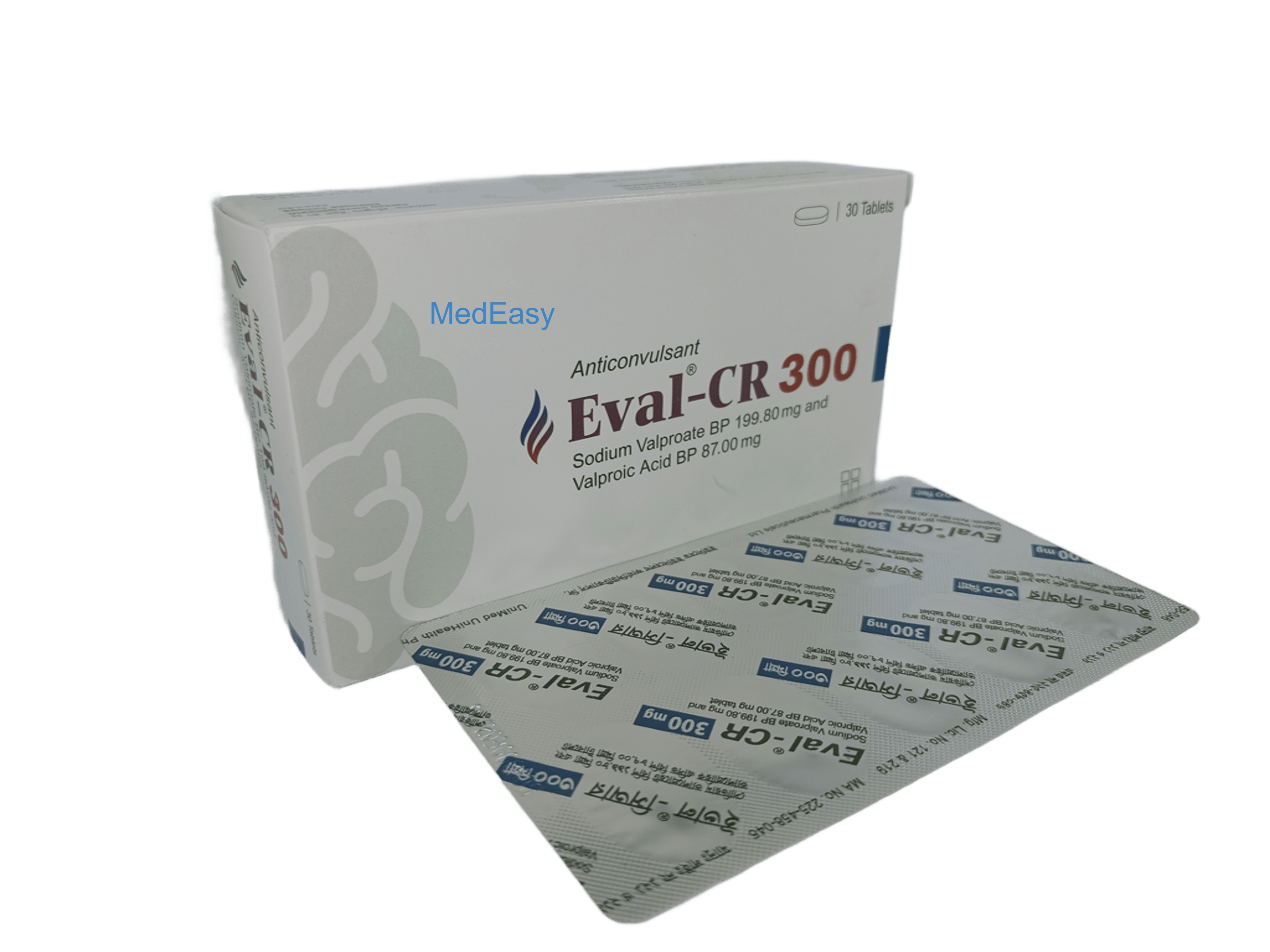
Forms:TabletSyrupTablet (Controlled Release)

About Sodium Valproate

Indications of Sodium Valproate

Sodium Valproate is an anticonvulsant and mood-stabilising medicine used in the following conditions:

Established / Approved Uses

  • Epilepsy: Monotherapy or adjunctive (add-on) therapy for complex partial seizures, simple and complex absence seizures, and as adjunctive therapy in patients with multiple seizure types that include absence seizures. Also widely used for generalized tonic-clonic, myoclonic and atonic seizures.
  • Bipolar disorder: Treatment of acute manic or mixed episodes associated with bipolar disorder.
  • Migraine prophylaxis: Prevention (not acute treatment) of migraine headaches in adults.

Other/Guideline-Supported Uses

  • Febrile seizure prophylaxis and prevention of seizures following head injury or neurosurgery, used in some clinical settings under specialist supervision.
  • Adjunct in status epilepticus (intravenous form), used in hospital settings when first-line agents are inadequate.

Use of Sodium Valproate for indications outside of epilepsy, bipolar mania and migraine prophylaxis should be guided by a specialist physician.

Dosage & Administration of Sodium Valproate

Dosage of Sodium Valproate must be individualised based on indication, response, and, where relevant, plasma valproate concentration (a typical therapeutic reference range is approximately 50-100 micrograms/mL, though clinical response guides dosing more than levels alone).

IndicationTypical Adult Dosing
Epilepsy (monotherapy or adjunct)Start around 10-15 mg/kg/day in divided doses; increase gradually (e.g. by 5-10 mg/kg/week) to effect. Usual maintenance 20-30 mg/kg/day (commonly 1-2 g/day); maximum generally 60 mg/kg/day.
Acute mania (bipolar disorder)Initial dose commonly 750 mg/day in divided doses (or a loading regimen under specialist supervision), titrated to clinical response; maximum 60 mg/kg/day.
Migraine prophylaxisTypically 400-600 mg/day in divided doses, increased as needed up to about 1000-1500 mg/day; not for treating an acute migraine attack.

Pediatric Dosing

Dosing in children is weight-based, generally 15-30 mg/kg/day in divided doses depending on age and indication, increased gradually under specialist supervision. See Use in Special Populations and Pediatric Uses for important age-related cautions.

Hepatic Impairment

Sodium Valproate is contraindicated in patients with hepatic disease or significant hepatic dysfunction — see Contraindications.

Renal Impairment

Dose adjustment is not usually required based on renal function alone, but the free (unbound) fraction of the drug is increased, so lower total doses with closer monitoring may be prudent in significant renal impairment.

Missed Dose / Withdrawal

Doses of Sodium Valproate should be taken as regularly scheduled. In patients being treated for epilepsy, Sodium Valproate must never be stopped abruptly, as this can precipitate withdrawal seizures or status epilepticus; discontinuation should always be tapered gradually under medical supervision.

Side Effects of Sodium Valproate

Side effects of Sodium Valproate range from common and mild to rare but serious.

Common

  • Nausea, vomiting, indigestion, abdominal pain, diarrhoea
  • Drowsiness/somnolence, dizziness, tremor, headache
  • Weight gain, increased appetite
  • Hair thinning or hair loss (usually reversible)
  • Menstrual irregularities

Less Common / Serious

  • Elevated liver enzymes; rare but potentially fatal hepatotoxicity/liver failure (see Precautions and Warnings)
  • Life-threatening pancreatitis (see Precautions and Warnings)
  • Thrombocytopenia and platelet dysfunction, increasing bleeding risk
  • Hyperammonemia, sometimes with encephalopathy (confusion, lethargy)
  • Severe skin reactions (Stevens-Johnson syndrome, toxic epidermal necrolysis) — rare
  • Suicidal thoughts or behaviour (small increased risk seen across anticonvulsants as a class)

Patients should seek prompt medical attention for unusual bruising/bleeding, yellowing of skin or eyes, severe abdominal pain, unusual drowsiness/confusion, or any new mood or behaviour changes while taking Sodium Valproate.

Contraindications of Sodium Valproate

Sodium Valproate is contraindicated in:

  • Patients with known hypersensitivity to valproate/Sodium Valproate or its excipients.
  • Patients with hepatic disease or significant hepatic dysfunction.
  • Patients with known urea cycle disorders (risk of fatal hyperammonemic encephalopathy).
  • Known mitochondrial disorders caused by POLG gene mutations (e.g. Alpers-Huttenlocher syndrome) in children under two years of age, and in older patients suspected of such disorders, due to the risk of fatal liver failure.
  • Pregnancy, when Sodium Valproate is being used for migraine prophylaxis (the potential benefit does not outweigh fetal risk for this indication).

For epilepsy or bipolar disorder, use in pregnancy or in women of childbearing potential is not an absolute contraindication but requires specialist risk-benefit assessment — see Pregnancy and Lactation.

Frequently Asked Questions about Sodium Valproate

What is Sodium Valproate used for?

Sodium Valproate is used to treat and control epilepsy (several seizure types), to treat acute manic episodes in bipolar disorder, and to prevent (not treat) migraine headaches.

Can I stop taking Sodium Valproate suddenly if I feel better?

No. If you are being treated for epilepsy, Sodium Valproate must never be stopped abruptly, as this can trigger withdrawal seizures or a dangerous prolonged seizure (status epilepticus). Any change in dose or discontinuation must be done gradually and only under a physician's guidance.

Is Sodium Valproate safe during pregnancy?

Sodium Valproate carries a well-established risk of major birth defects (including neural tube defects such as spina bifida) and of reduced IQ/neurodevelopmental problems in children exposed during pregnancy. It is contraindicated in pregnancy when used to prevent migraine. For epilepsy or bipolar disorder, it should only be used in pregnancy or in women who could become pregnant if no safer alternative is effective, and only under close specialist supervision with the smallest effective dose. Never stop Sodium Valproate on your own if you become pregnant — discuss this urgently with your physician, since uncontrolled seizures are also dangerous.

What are the most serious risks of Sodium Valproate?

Sodium Valproate carries boxed warnings for potentially fatal liver failure (most common in young children), life-threatening pancreatitis, and major risk of birth defects if taken during pregnancy. Regular liver function monitoring, prompt reporting of abdominal pain or unusual tiredness/jaundice, and specialist guidance around pregnancy are all essential.

Can Sodium Valproate affect my blood clotting?

Yes. Sodium Valproate can lower platelet counts and impair platelet function, increasing the risk of bruising or bleeding. Your doctor may check blood counts and clotting tests periodically, and especially before any surgery.

What should I do if I miss a dose of Sodium Valproate or think I've taken too much?

If you miss a dose of Sodium Valproate, take it as soon as you remember unless it is close to the next dose — do not double up. If you or someone else has taken more Sodium Valproate than prescribed, this is a medical emergency: seek immediate medical attention or contact emergency services/poison control right away rather than attempting to manage it at home.

Disclaimer

The information provided is accurate to the best of our knowledge, but it does not replace professional medical advice. We cannot guarantee its completeness or accuracy, and the absence of specific information about a drug should not be taken as an endorsement. We are not responsible for any consequences arising from this information, so please consult a healthcare professional for any concerns or questions.

DoctorBlogArticles