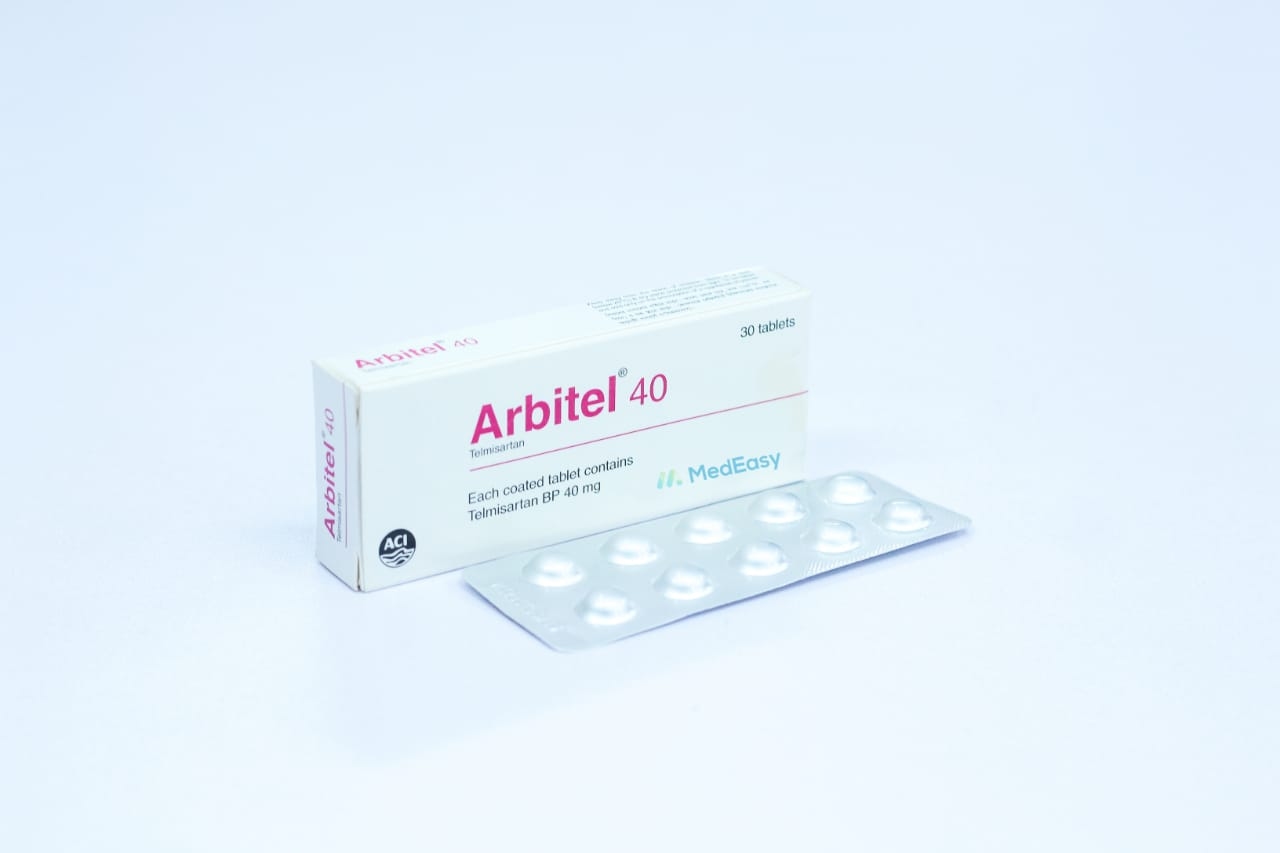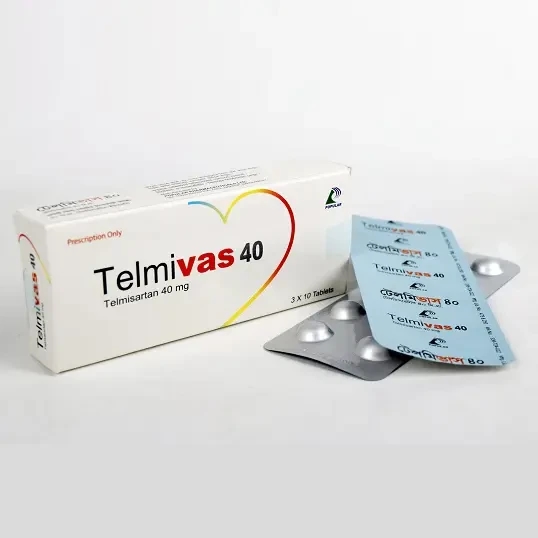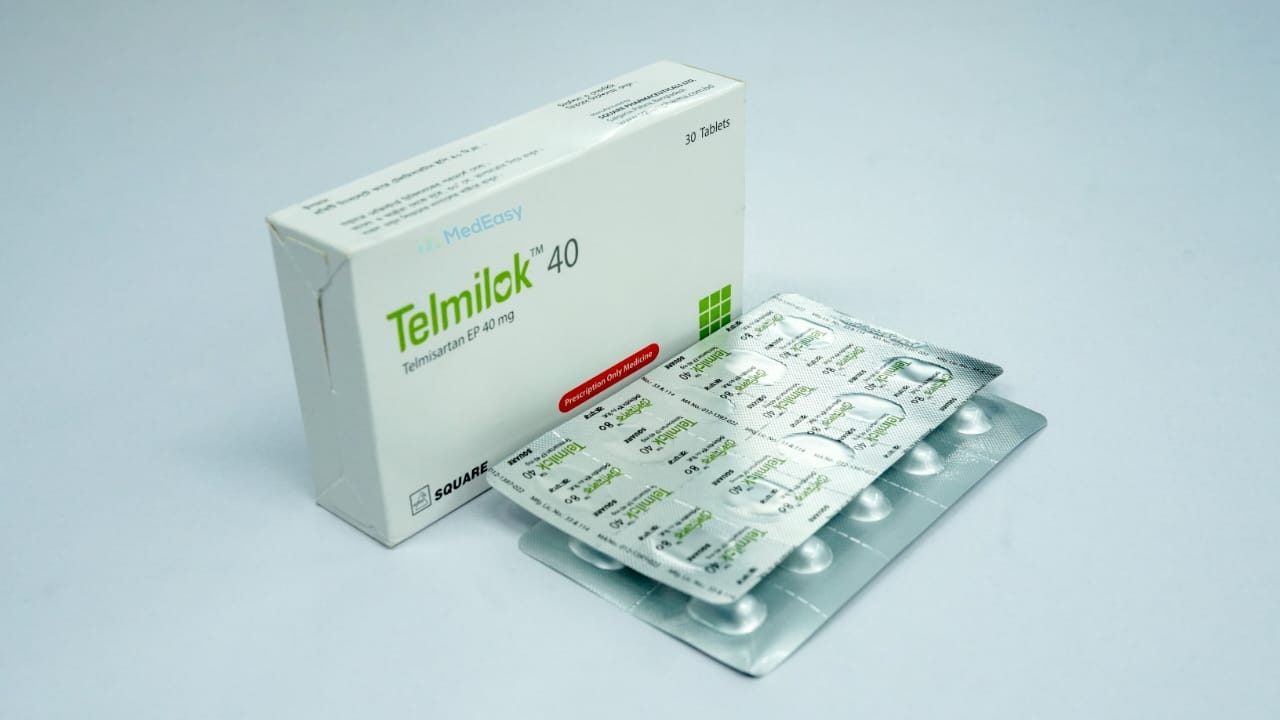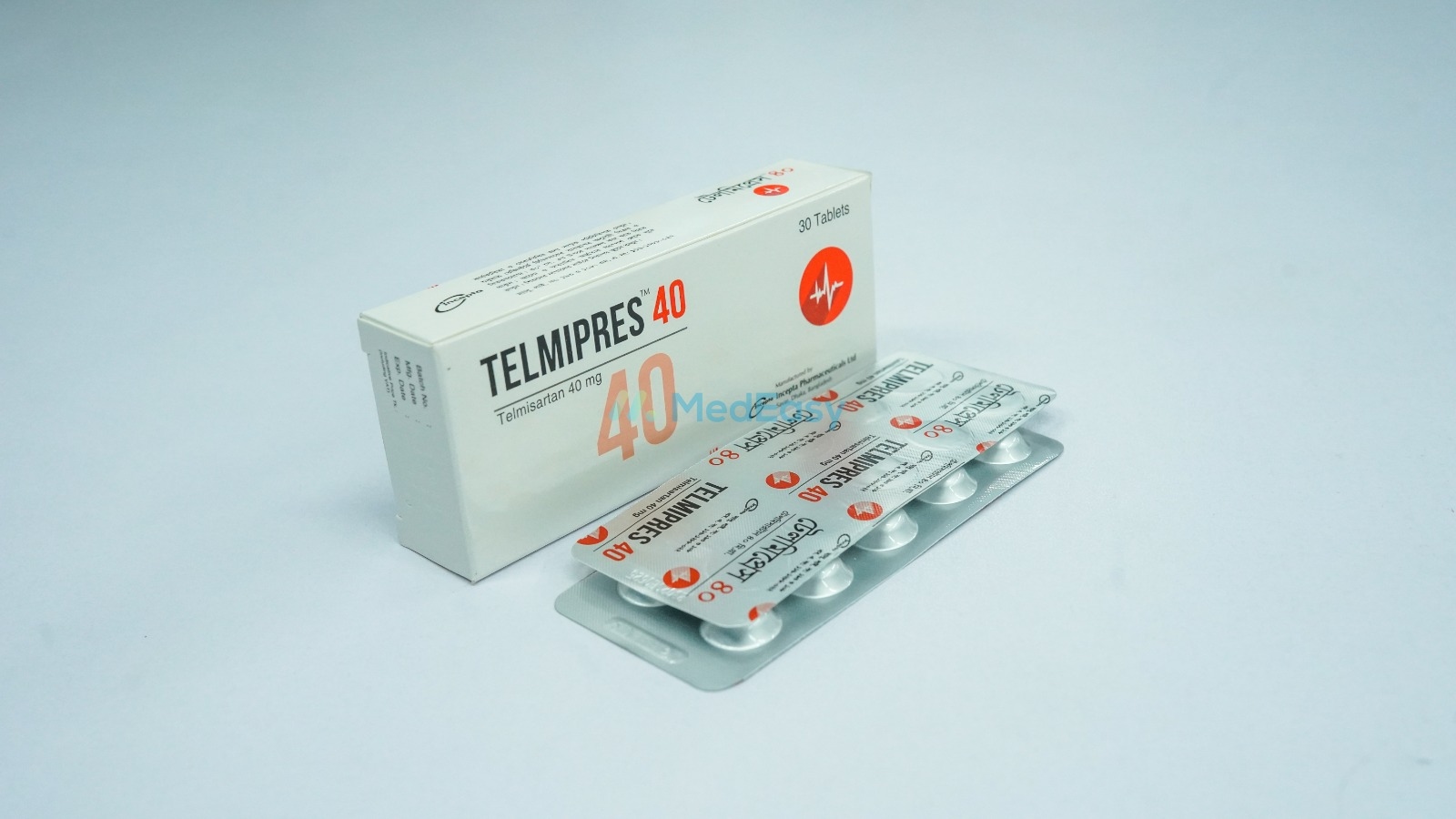
Generic medicine

Telmisartan: Brands, Price & Uses in Bangladesh

Hypertension Telmisartan is indicated for the treatment of essential hypertension in adults.

Forms:Tablet

About Telmisartan

Indications of Telmisartan

Hypertension

Telmisartan is indicated for the treatment of essential hypertension in adults. Telmisartan may be used alone or in combination with other antihypertensive medicines when blood pressure is not adequately controlled on Telmisartan alone. This is an established, guideline-supported use of Telmisartan.

Cardiovascular Risk Reduction

Telmisartan is also indicated to reduce the risk of myocardial infarction, stroke, or death from cardiovascular causes in patients 55 years of age or older who are at high risk of cardiovascular events (for example, due to coronary artery disease, peripheral arterial disease, stroke, transient ischaemic attack, or high-risk diabetes with evidence of end-organ damage) and who are unable to take ACE inhibitors. This use of Telmisartan is guideline-supported and specialist-directed, and is not a routine first-line use of Telmisartan in the general hypertensive population.

Dosage & Administration of Telmisartan

Telmisartan is administered orally, once daily, and the specific dose of Telmisartan depends on the indication being treated. Dosing of Telmisartan must be individualized by a healthcare professional and is not the same across all conditions Telmisartan is used for; the table below outlines dosing of Telmisartan by indication.

Side Effects of Telmisartan

Common Side Effects

  • Upper respiratory tract infection-like symptoms (cough, sore throat)
  • Back pain
  • Sinusitis
  • Diarrhea
  • Dizziness or headache
  • Fatigue
  • Nausea or indigestion
  • Muscle cramps

Serious Side Effects - Seek Medical Attention

  • Signs of angioedema while taking Telmisartan: swelling of the face, lips, tongue, or throat, or difficulty breathing or swallowing (rare, but can be life-threatening; fatal cases have been reported)
  • Symptoms of significant low blood pressure while taking Telmisartan: severe dizziness, fainting, or syncope, particularly after the first dose or in patients who are dehydrated
  • Signs of high potassium (hyperkalemia) while taking Telmisartan: muscle weakness, irregular heartbeat
  • Signs of kidney problems while taking Telmisartan: reduced urination, swelling, unusual tiredness (risk of acute renal failure, especially with pre-existing kidney disease, heart failure, or dehydration)
  • Signs of liver problems while taking Telmisartan: yellowing of skin or eyes, dark urine
  • Unexplained muscle pain, tenderness, or weakness while taking Telmisartan (very rare reports of rhabdomyolysis)
  • Signs of anaphylaxis or severe allergic/skin reactions to Telmisartan

Contraindications of Telmisartan

  • Known hypersensitivity to Telmisartan or any component of the Telmisartan formulation (including reactions such as anaphylaxis or angioedema).
  • Pregnancy: Telmisartan is contraindicated in pregnancy because drugs that act directly on the renin-angiotensin system, including Telmisartan, can cause fetal injury or death; Telmisartan must be discontinued as soon as pregnancy is confirmed (see Pregnancy and Lactation for full details).

Frequently Asked Questions about Telmisartan

What is Telmisartan used for?

Telmisartan is used to treat high blood pressure (hypertension) in adults, either alone or together with other antihypertensive medicines. Telmisartan is also used in certain high-risk adults aged 55 and older to reduce the risk of heart attack, stroke, or cardiovascular death when they cannot take an ACE inhibitor.

What is the usual dose of Telmisartan?

For high blood pressure, Telmisartan is usually started at 40 mg once daily and may be adjusted between 20 mg and 80 mg once daily based on response. For cardiovascular risk reduction, Telmisartan is used at 80 mg once daily. The exact dose of Telmisartan should always be determined by a healthcare professional, since dosing of Telmisartan is not the same for every indication or every patient.

Can Telmisartan be taken with milk?

Telmisartan may be taken with or without food, and there is no specific restriction against taking Telmisartan with milk. Food has only a small effect on how much Telmisartan is absorbed, so Telmisartan can be taken with a meal, with milk, or on an empty stomach, based on what is most convenient, unless a doctor advises otherwise.

What medicines interact with Telmisartan?

Telmisartan can interact with ACE inhibitors and aliskiren (increasing the risk of low blood pressure, high potassium, and kidney problems), potassium-sparing diuretics and potassium supplements (risk of hyperkalemia), NSAIDs like ibuprofen (reduced blood-pressure-lowering effect of Telmisartan and possible kidney strain), lithium (increased lithium levels), and digoxin (increased digoxin levels). Always tell the prescriber about all medicines being taken before starting Telmisartan; see Interactions for full details.

Can Telmisartan be taken during pregnancy?

No. Telmisartan is contraindicated during pregnancy because Telmisartan can cause serious injury or death to the developing fetus, especially when used in the second and third trimesters. Telmisartan should be stopped as soon as pregnancy is confirmed, and women who are pregnant or planning pregnancy should discuss safer alternative medicines with their doctor; see Pregnancy and Lactation for full details.

Can Telmisartan be used while breastfeeding?

There isn't enough human data to confirm whether Telmisartan is safe during breastfeeding, so breastfeeding is generally not recommended while taking Telmisartan, particularly for mothers of newborn or premature infants. A doctor can suggest an alternative antihypertensive medicine with more breastfeeding safety data than Telmisartan.

Is Telmisartan safe for children?

Telmisartan has not been proven safe and effective for children and adolescents under 18, and no pediatric dose of Telmisartan has been established. While some pediatric hypertension guidelines support the ARB class in general as an option for children, this does not apply specifically to Telmisartan, and any pediatric use of Telmisartan would need to be decided and closely supervised by a pediatric specialist.

What are the common side effects of Telmisartan?

Common side effects of Telmisartan include upper respiratory symptoms, back pain, sinusitis, diarrhea, dizziness, headache, and fatigue. Most people tolerate Telmisartan well, but anyone experiencing swelling of the face or throat, fainting, signs of high potassium, or reduced urination while taking Telmisartan should seek medical attention promptly; see Side Effects for the full list.

What should I do if I miss a dose or take too much Telmisartan?

If a dose of Telmisartan is missed, take Telmisartan as soon as remembered unless it is almost time for the next dose, in which case the missed dose of Telmisartan should be skipped rather than doubled. If too much Telmisartan has been taken, or an overdose of Telmisartan is suspected, contact a doctor, hospital, or poison control service right away, since a Telmisartan overdose can cause low blood pressure and dizziness; see Overdose Effects for more information.

Disclaimer

The information provided is accurate to the best of our knowledge, but it does not replace professional medical advice. We cannot guarantee its completeness or accuracy, and the absence of specific information about a drug should not be taken as an endorsement. We are not responsible for any consequences arising from this information, so please consult a healthcare professional for any concerns or questions.
DoctorBlogArticles