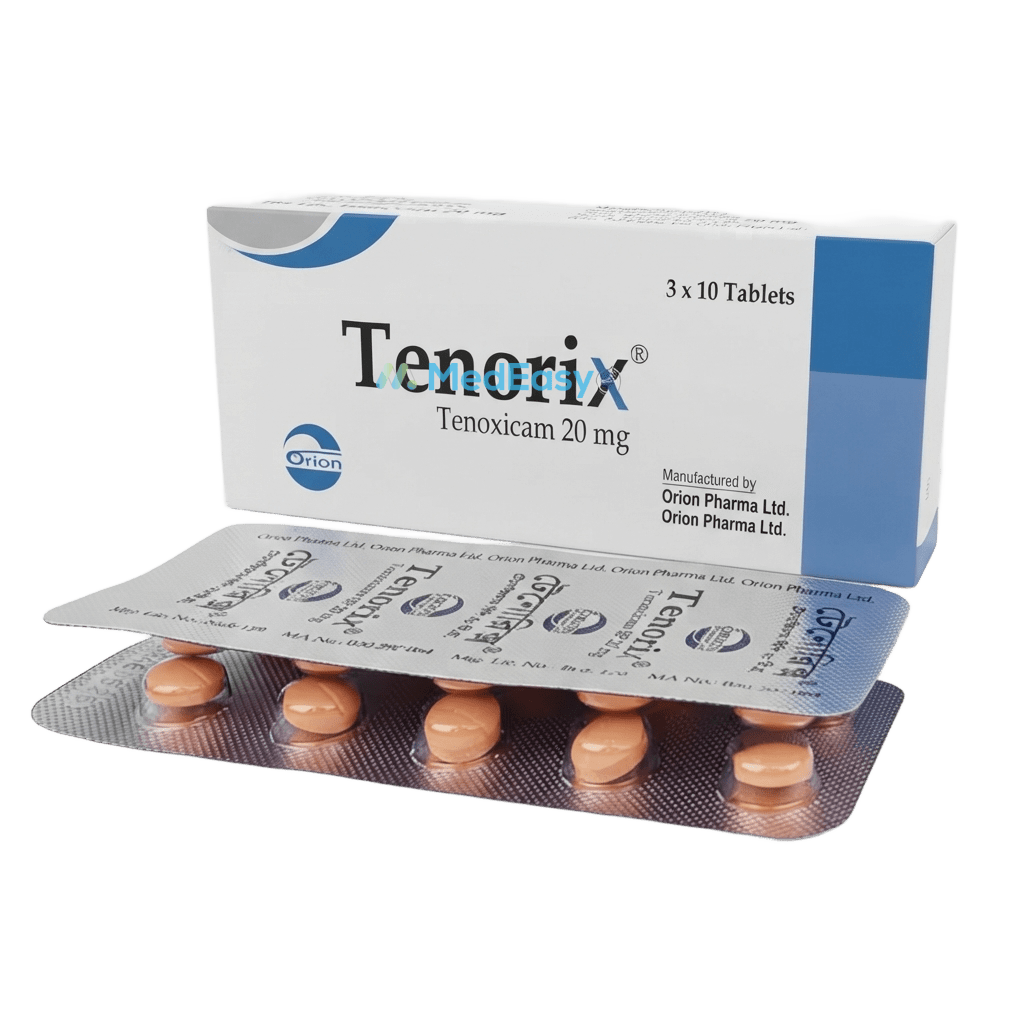
Generic medicine

Tenoxicam: Brands, Price & Uses in Bangladesh

Tenoxicam is a non-steroidal anti-inflammatory drug (NSAID) of the oxicam class, used for the symptomatic relief of pain and inflammation in the following conditions: Established / Approved Uses…

Forms:Tablet

About Tenoxicam

Indications of Tenoxicam

Tenoxicam is a non-steroidal anti-inflammatory drug (NSAID) of the oxicam class, used for the symptomatic relief of pain and inflammation in the following conditions:

Established / Approved Uses

  • Osteoarthritis - relief of joint pain, stiffness, and swelling.
  • Rheumatoid arthritis - reduction of inflammatory joint pain and swelling.
  • Ankylosing spondylitis - relief of spinal pain and stiffness.
  • Acute musculoskeletal disorders - short-term relief of pain from sprains, strains, tendinitis, bursitis, and periarthritis of the shoulder or hip.

Tenoxicam provides symptomatic relief of pain and inflammation; it does not alter the underlying course of arthritic disease.

Dosage & Administration of Tenoxicam

Osteoarthritis, Rheumatoid Arthritis, Ankylosing Spondylitis (Adults)

IndicationRecommended Dose
Maintenance therapy20 mg once daily, preferably taken with food or milk at the same time each day

Acute Musculoskeletal Disorders (Adults)

IndicationRecommended Dose
Acute pain (sprains, strains, tendinitis, bursitis)40 mg once daily for up to 2 days, then continue with 20 mg once daily for a further 5-7 days as needed

Tablets should be swallowed whole with a full glass of water, preferably with or after food, to reduce gastrointestinal irritation. The lowest effective dose should be used for the shortest duration consistent with treatment goals.

See Use in Special Populations for renal, hepatic, elderly, and pediatric dosing considerations.

Side Effects of Tenoxicam

Side effects of Tenoxicam are generally dose- and duration-related and consistent with the NSAID class.

Common

  • Dyspepsia, nausea, abdominal pain
  • Diarrhea or constipation
  • Headache, dizziness
  • Peripheral edema
  • Skin rash

Less Common / Serious

  • Gastrointestinal ulceration, bleeding, or perforation
  • Elevated liver enzymes
  • Renal impairment, fluid retention, hypertension
  • Tinnitus, vertigo

Rare but Serious

  • Severe skin reactions (Stevens-Johnson syndrome, toxic epidermal necrolysis)
  • Anaphylaxis, bronchospasm (especially in aspirin-sensitive individuals)
  • Cardiovascular thrombotic events (myocardial infarction, stroke)

Contraindications of Tenoxicam

Tenoxicam is contraindicated in patients with:

  • Known hypersensitivity to Tenoxicam or to any component of the formulation.
  • A history of asthma, bronchospasm, angioedema, or urticaria precipitated by aspirin or other NSAIDs (aspirin-sensitive asthma).
  • Active peptic ulcer disease or active gastrointestinal bleeding.
  • Severe (uncontrolled) heart failure.
  • Severe renal impairment.
  • Severe hepatic impairment.
  • The third trimester of pregnancy.
  • Use in the setting of coronary artery bypass graft (CABG) surgery, consistent with the NSAID class warning.

Frequently Asked Questions about Tenoxicam

What is Tenoxicam used for?

Tenoxicam is a non-steroidal anti-inflammatory drug (NSAID) used to relieve pain, swelling, and stiffness caused by osteoarthritis, rheumatoid arthritis, ankylosing spondylitis, and acute musculoskeletal injuries such as sprains, strains, tendinitis, and bursitis.

How should I take Tenoxicam?

Tenoxicam is usually taken as one tablet (20 mg) once daily, at about the same time each day, with food or milk to reduce stomach upset. For acute pain, a physician may prescribe a short higher-dose course (40 mg daily for up to 2 days) followed by the usual maintenance dose. Always follow your physician's specific instructions.

Can I take Tenoxicam during pregnancy or while breastfeeding?

Tenoxicam should be avoided during pregnancy unless your physician determines it is clearly necessary, and it must not be used during the third trimester because it can harm the developing baby and cause complications during delivery. Because it may pass into breast milk, Tenoxicam is also not recommended during breastfeeding unless specifically advised by your physician.

Who should not take Tenoxicam?

Tenoxicam should not be taken by people who are allergic to it or to other NSAIDs/aspirin (including those with a history of asthma or hives triggered by aspirin), those with active stomach ulcers or gastrointestinal bleeding, severe heart failure, severe kidney or liver disease, or women in the third trimester of pregnancy.

What are the common side effects of Tenoxicam?

The most common side effects of Tenoxicam include indigestion, nausea, abdominal discomfort, headache, dizziness, and mild fluid retention (swelling). Less commonly, it can cause stomach ulcers, gastrointestinal bleeding, or affect kidney function, so it should be used at the lowest effective dose for the shortest time needed.

What should I do if I take too much Tenoxicam?

If you or someone else has taken more Tenoxicam than prescribed, seek immediate medical attention or contact emergency services / a poison control center right away. Do not try to treat an overdose at home, as it can cause serious stomach, kidney, or other complications.

Disclaimer

The information provided is accurate to the best of our knowledge, but it does not replace professional medical advice. We cannot guarantee its completeness or accuracy, and the absence of specific information about a drug should not be taken as an endorsement. We are not responsible for any consequences arising from this information, so please consult a healthcare professional for any concerns or questions.

DoctorBlogArticles