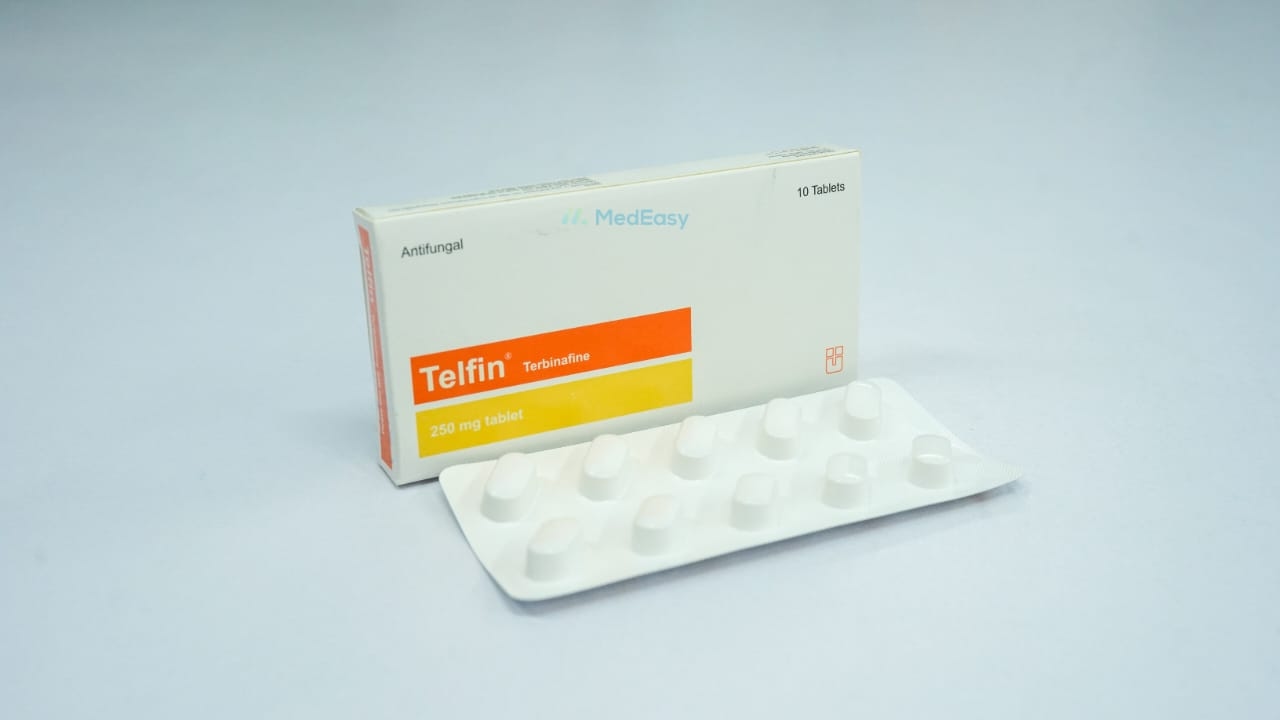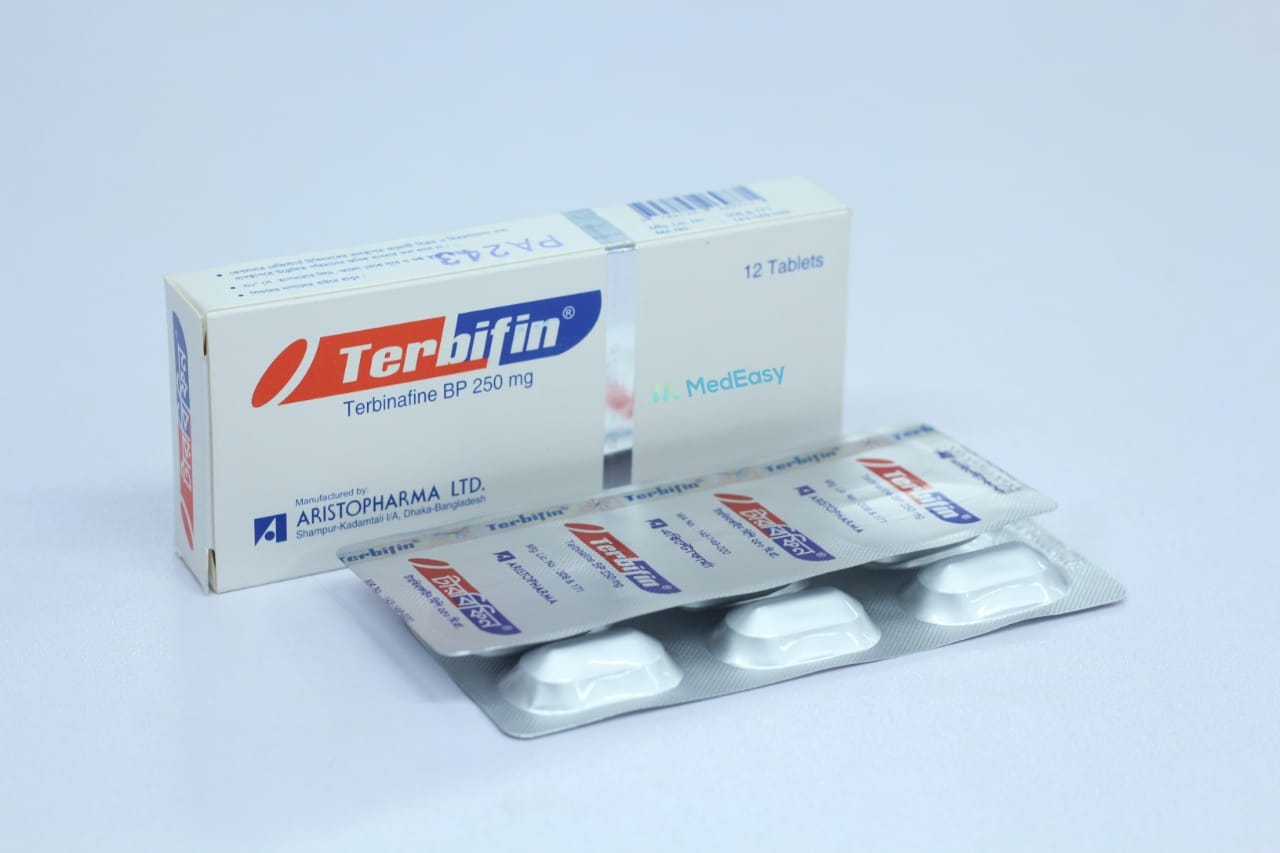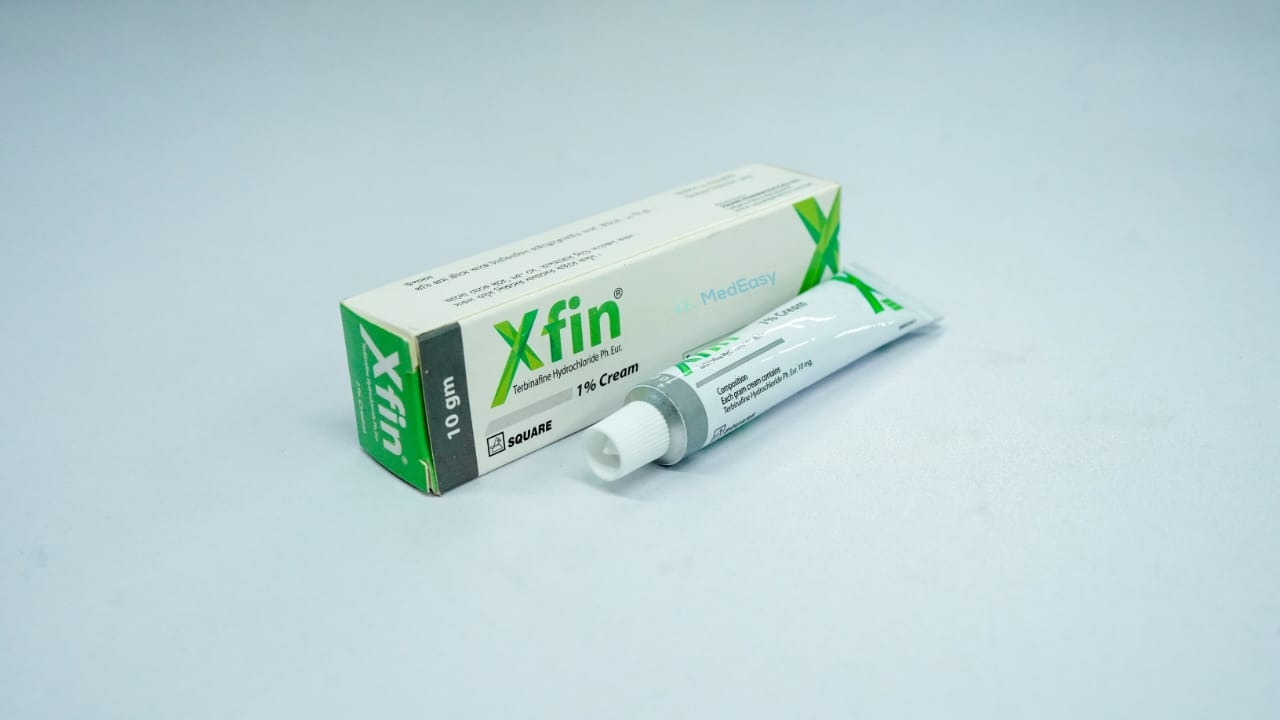
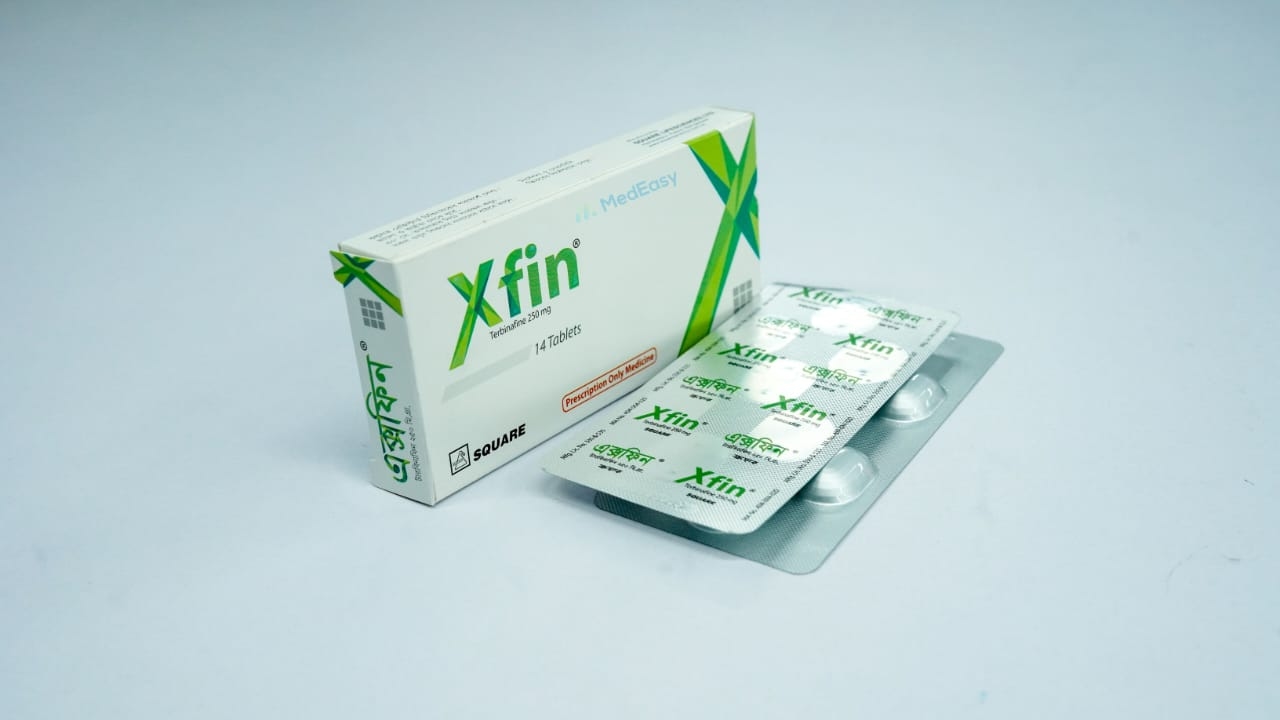
Generic medicine

Terbinafine Hydrochloride: Brands, Price & Uses in Bangladesh

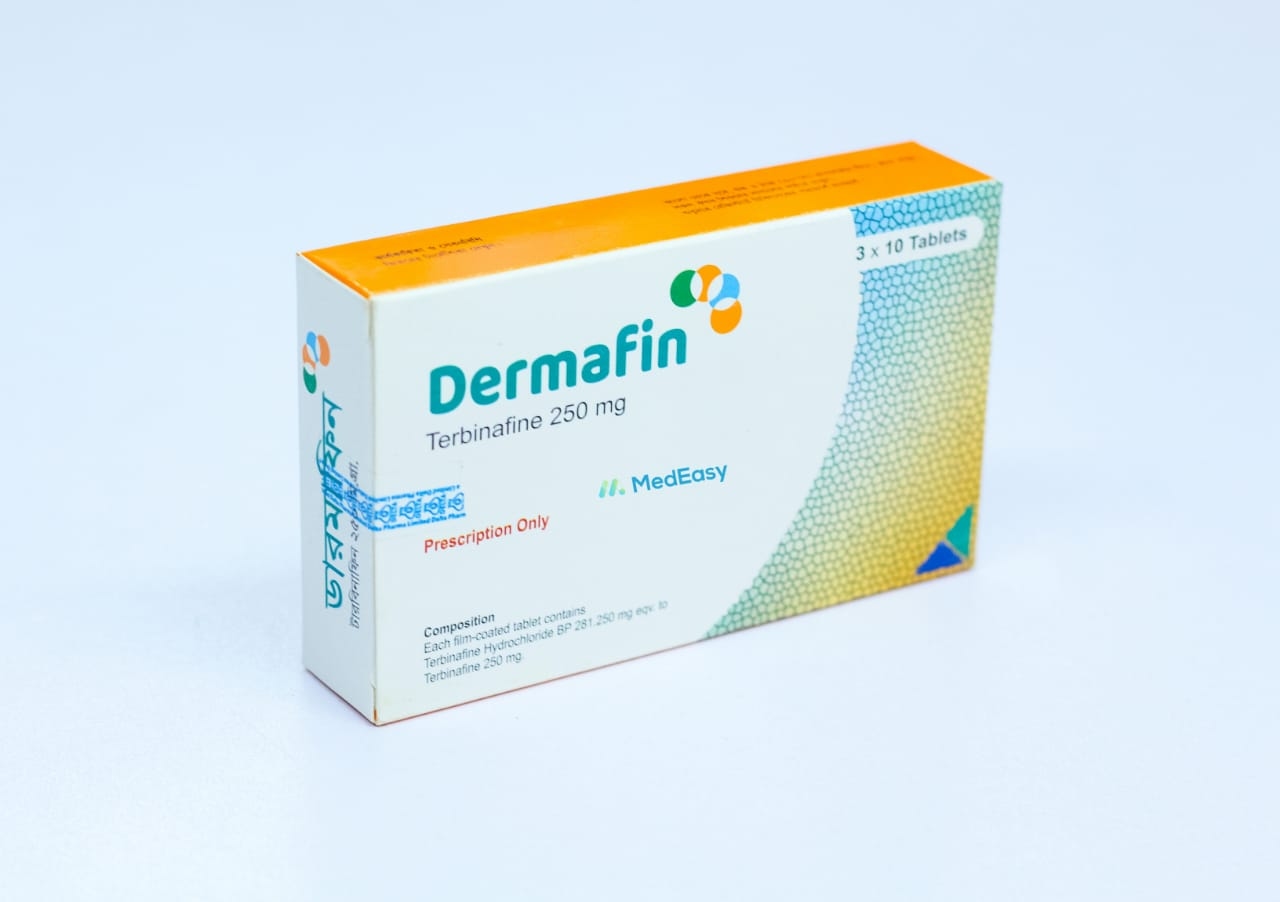
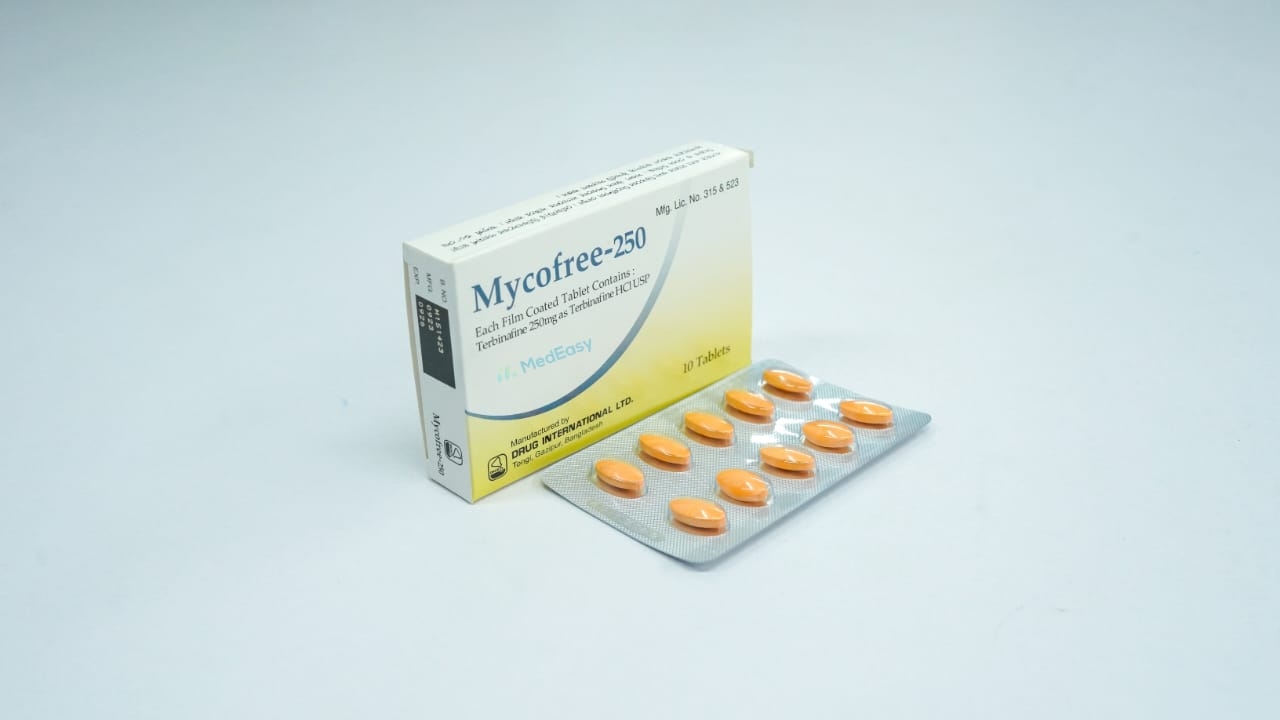
Oral Tablet – Onychomycosis (Fungal Nail Infection) Terbinafine Hydrochloride 250 mg oral tablets are indicated for the treatment of onychomycosis (fungal infection) of the toenail or fingernail…

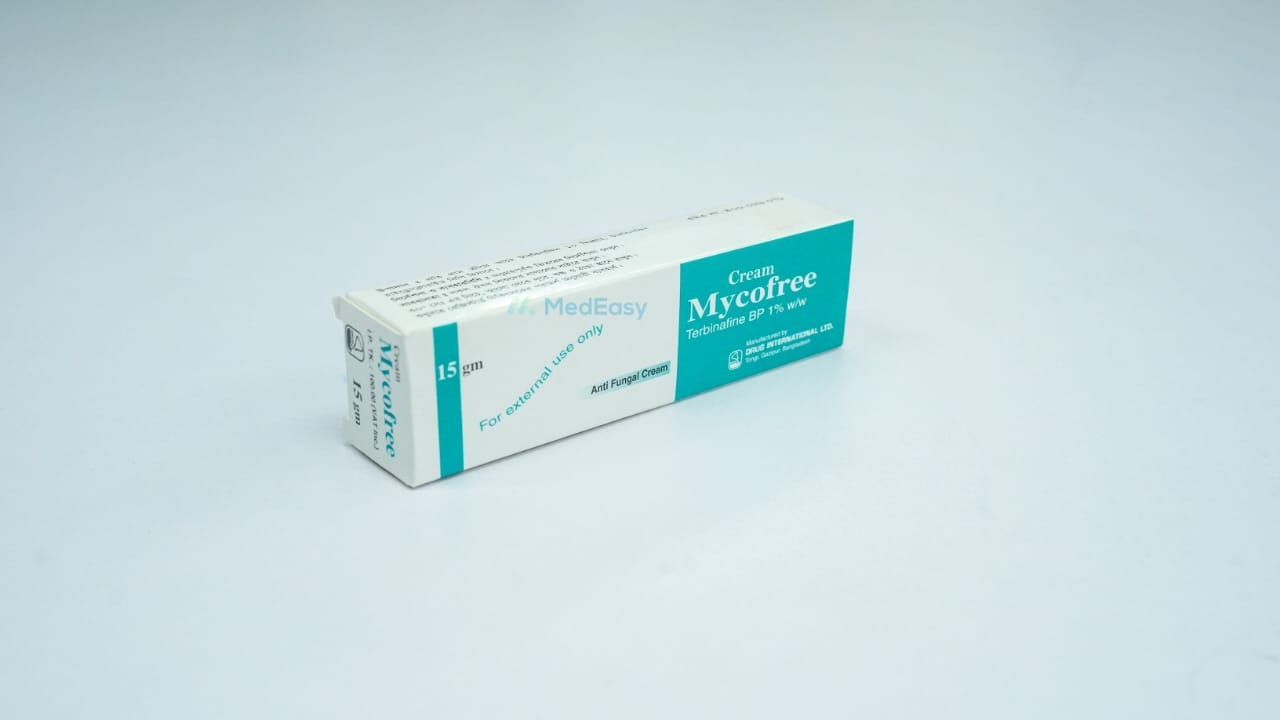
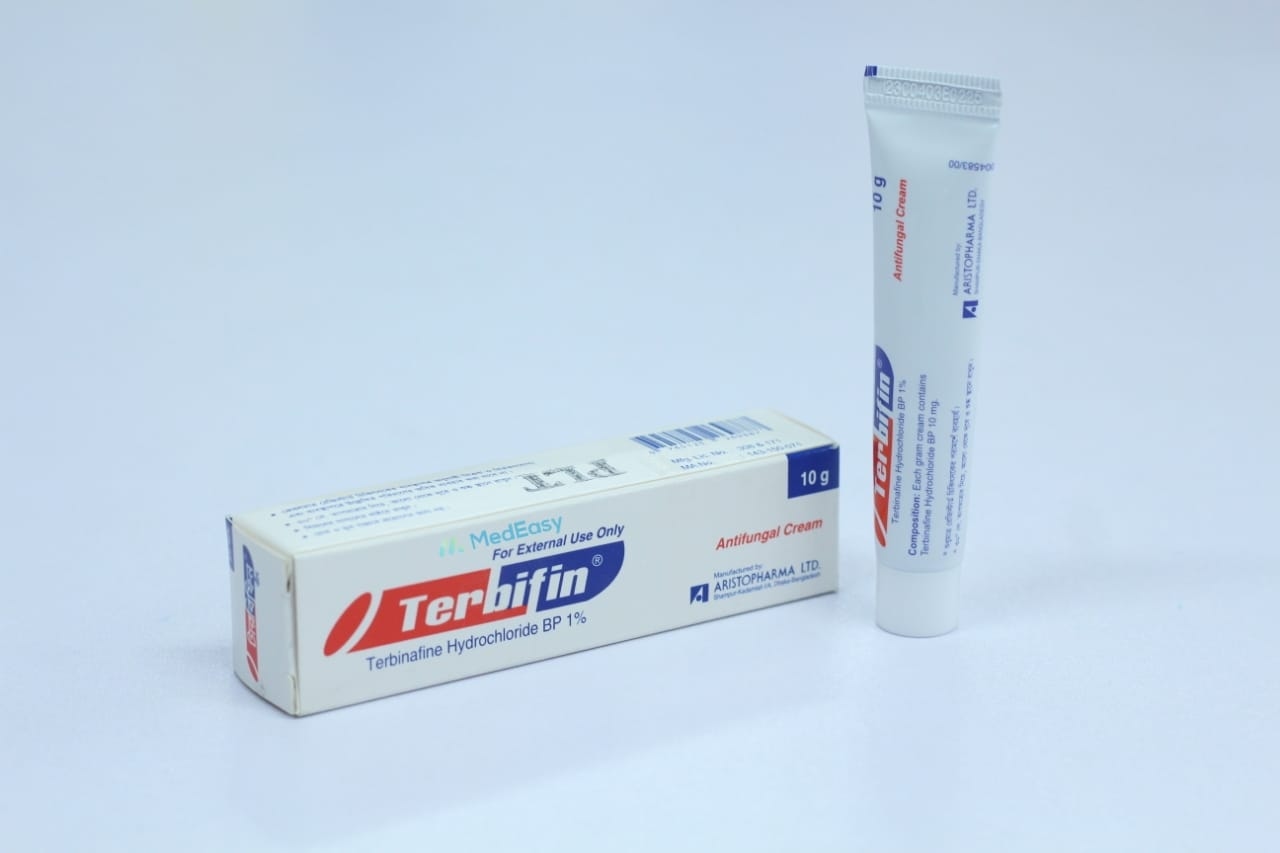
Forms:CreamTablet

About Terbinafine Hydrochloride

Indications of Terbinafine Hydrochloride

Oral Tablet – Onychomycosis (Fungal Nail Infection)

Terbinafine Hydrochloride 250 mg oral tablets are indicated for the treatment of onychomycosis (fungal infection) of the toenail or fingernail caused by dermatophytes (tinea unguium). This is an established, regulatory-approved indication. Appropriate nail specimens should be tested to confirm the fungal diagnosis before Terbinafine Hydrochloride is started, since oral therapy is reserved for confirmed dermatophyte nail infections.

Topical Cream / Gel / Spray – Tinea Pedis, Tinea Cruris, and Tinea Corporis

Terbinafine Hydrochloride 1% topical cream, gel, and spray are indicated for the treatment of tinea pedis (athlete's foot), tinea cruris (jock itch), and tinea corporis (ringworm) caused by susceptible dermatophytes. This is an established indication supported by the regulatory labeling of topical Terbinafine Hydrochloride products.

Topical Cream / Gel – Cutaneous Candidiasis and Pityriasis Versicolor

Topical Terbinafine Hydrochloride 1% cream/gel is also used for cutaneous candidiasis and pityriasis versicolor (tinea versicolor), per product labeling of Terbinafine Hydrochloride marketed in Bangladesh. This use is guideline-supported for these specific yeast infections; the exact regimen and expected response can differ from dermatophyte skin infections, so it should be confirmed by a qualified healthcare professional.

Dosage & Administration of Terbinafine Hydrochloride

The dose, frequency, and length of treatment with Terbinafine Hydrochloride differ substantially between the oral 250 mg tablet and the topical 1% cream, gel, or spray, and also vary depending on which fungal infection is being treated. The regimens described below are general reference points; the specific dosing schedule for Terbinafine Hydrochloride in any individual patient must always be determined by a qualified healthcare professional.

Side Effects of Terbinafine Hydrochloride

Common Side Effects

Oral Tablet: Headache, diarrhea, rash, indigestion (dyspepsia), nausea, abdominal pain, flatulence, itching (pruritus), taste disturbance, and mild liver enzyme elevations are the most commonly reported effects of oral Terbinafine Hydrochloride.

Topical Cream/Gel/Spray: Application-site irritation, burning, stinging, itching, redness, and dryness of the skin are the most commonly reported effects of topical Terbinafine Hydrochloride.

Serious Side Effects – Seek Medical Attention

  • Signs of liver injury with oral Terbinafine Hydrochloride (persistent nausea, loss of appetite, unusual tiredness, vomiting, pain in the right upper abdomen, yellowing of the skin or eyes, dark urine, or pale stools) — see Precautions and Warnings for full details on this hepatotoxicity risk.
  • Severe, prolonged, or permanent taste disturbance or loss of smell with oral Terbinafine Hydrochloride.
  • Signs of severe neutropenia or other blood disorders (fever, mouth sores, unusual bruising or bleeding, frequent infections) with oral Terbinafine Hydrochloride.
  • Serious skin reactions such as Stevens-Johnson syndrome, toxic epidermal necrolysis, erythema multiforme, or DRESS syndrome (widespread rash, blistering, fever, swollen glands) with oral Terbinafine Hydrochloride.
  • New or worsening symptoms of lupus erythematosus (joint pain, skin rash on sun-exposed areas) with oral Terbinafine Hydrochloride.
  • Signs of thrombotic microangiopathy (unusual bruising, bleeding, extreme fatigue, confusion) — rare, reported with oral Terbinafine Hydrochloride.
  • New or worsening low mood, anxiety, or depressive symptoms with oral Terbinafine Hydrochloride.
  • Signs of a severe allergic reaction (swelling of the face, lips, tongue, or throat; difficulty breathing; severe rash) with oral or topical Terbinafine Hydrochloride.
  • Severe or worsening local irritation, blistering, or allergic contact dermatitis with topical Terbinafine Hydrochloride that does not settle — stop use and consult a doctor.

Contraindications of Terbinafine Hydrochloride

  • Known hypersensitivity (allergic reaction) to Terbinafine Hydrochloride or any component of the specific Terbinafine Hydrochloride product.
  • Chronic or active liver disease — this is an absolute contraindication for the oral Terbinafine Hydrochloride tablet.

Frequently Asked Questions about Terbinafine Hydrochloride

What is Terbinafine Hydrochloride used for?

Terbinafine Hydrochloride is an antifungal medicine used to treat fungal infections of the nails and skin. The 250 mg oral tablet form of Terbinafine Hydrochloride treats fungal nail infections (onychomycosis), while the 1% cream, gel, and spray forms of Terbinafine Hydrochloride treat fungal skin infections such as athlete's foot (tinea pedis), jock itch (tinea cruris), ringworm (tinea corporis), cutaneous candidiasis, and pityriasis versicolor.

How long does Terbinafine Hydrochloride treatment usually take?

With the oral tablet, Terbinafine Hydrochloride is usually taken once daily for 6 weeks for fingernail infections and 12 weeks for toenail infections. With the topical cream, gel, or spray, Terbinafine Hydrochloride is usually applied for 1 to 2 weeks depending on the specific skin infection being treated. A healthcare professional will confirm the exact duration for each patient.

Can I stop Terbinafine Hydrochloride once my symptoms improve?

No. Terbinafine Hydrochloride should be used for the full course recommended by the prescriber, even if symptoms improve earlier, because stopping Terbinafine Hydrochloride too soon can allow the fungal infection to return.

Does Terbinafine Hydrochloride interact with other medicines?

Yes, particularly the oral tablet. Oral Terbinafine Hydrochloride inhibits the CYP2D6 liver enzyme and can raise blood levels of drugs such as certain antidepressants and beta-blockers that are broken down by this enzyme. Rifampin lowers Terbinafine Hydrochloride levels, while cimetidine raises them. Always tell your doctor or pharmacist about all medicines you take before starting Terbinafine Hydrochloride.

Is Terbinafine Hydrochloride safe during pregnancy?

Terbinafine Hydrochloride is generally not recommended during pregnancy. Because fungal nail infections are not urgent, oral Terbinafine Hydrochloride is usually postponed until after pregnancy. Topical Terbinafine Hydrochloride should also be avoided in pregnancy unless a healthcare professional decides the benefit outweighs the risk.

Can children use Terbinafine Hydrochloride?

The oral tablet form of Terbinafine Hydrochloride has not been established as safe and effective for children with fungal nail infections. The topical cream, gel, and spray forms of Terbinafine Hydrochloride may be used in children 12 years and older for common fungal skin infections; use under 12 years should be directed by a healthcare professional.

What are the most serious side effects of Terbinafine Hydrochloride?

The oral tablet form of Terbinafine Hydrochloride carries a rare but serious risk of liver injury, which is why liver function is checked before and during treatment. Oral Terbinafine Hydrochloride can also cause severe or long-lasting taste or smell disturbance, low blood cell counts, and rare serious skin reactions. Anyone taking Terbinafine Hydrochloride who develops signs of liver problems, severe rash, or unusual bruising/bleeding should seek medical attention immediately.

Does Terbinafine Hydrochloride cause taste changes?

Yes. Oral Terbinafine Hydrochloride is recognized to cause taste disturbance that can be severe and, in some cases, prolonged or even permanent; disturbance or loss of smell can also occur. This should be reported to a doctor promptly if it happens while taking oral Terbinafine Hydrochloride.

How should I apply topical Terbinafine Hydrochloride?

Clean and dry the affected skin, then apply a thin layer of Terbinafine Hydrochloride cream or gel (or spray evenly) to cover the infected area and a small margin of surrounding skin, as directed on the product label or by a healthcare professional. Wash your hands after applying Terbinafine Hydrochloride, and avoid contact with the eyes and mucous membranes.

Disclaimer

The information provided is accurate to the best of our knowledge, but it does not replace professional medical advice. We cannot guarantee its completeness or accuracy, and the absence of specific information about a drug should not be taken as an endorsement. We are not responsible for any consequences arising from this information, so please consult a healthcare professional for any concerns or questions.
DoctorBlogArticles