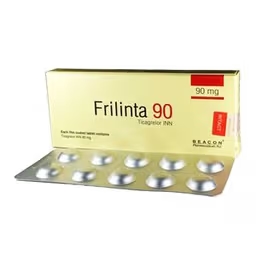
Generic medicine

Ticagrelor: Brands, Price & Uses in Bangladesh

Ticagrelor is an antiplatelet medicine used, in combination with low-dose aspirin, to lower the risk of thrombotic (clot-related) cardiovascular events.

Forms:Tablet

About Ticagrelor

Indications of Ticagrelor

Ticagrelor is an antiplatelet medicine used, in combination with low-dose aspirin, to lower the risk of thrombotic (clot-related) cardiovascular events.

Established / FDA-approved indications

  • Acute coronary syndrome (ACS): Ticagrelor is indicated to reduce the rate of cardiovascular death, myocardial infarction (MI), and stroke in patients with unstable angina, non-ST-elevation MI (NSTEMI), or ST-elevation MI (STEMI), including patients managed medically or with percutaneous coronary intervention (PCI) or coronary artery bypass grafting (CABG). It also reduces the rate of stent thrombosis in patients who have received a coronary stent for ACS.
  • History of myocardial infarction: In patients with a history of MI of at least one year, Ticagrelor reduces the risk of cardiovascular death, MI, and stroke.

Guideline-supported / adjunct use

  • Cardiology guidelines support use of Ticagrelor as part of dual antiplatelet therapy (with aspirin) for secondary prevention after ACS, and in select high-risk patients with established coronary artery disease or peripheral artery disease.

Ticagrelor must always be used together with a maintenance dose of aspirin, as directed by a physician (see Dosage and Precautions).

Dosage & Administration of Ticagrelor

Acute Coronary Syndrome

PhaseDose
Loading dose180 mg (two 90 mg tablets) as a single oral dose
Maintenance (first 12 months)90 mg twice daily
Maintenance (beyond 12 months, long-term secondary prevention)60 mg twice daily, as advised by the treating physician

History of Myocardial Infarction (>1 year)

60 mg of Ticagrelor twice daily, taken with aspirin.

Important dosing note

Ticagrelor must be taken together with a daily maintenance dose of aspirin of 75–100 mg. Aspirin maintenance doses above 100 mg reduce the effectiveness of Ticagrelor and must be avoided (see Precautions and Warnings).

Missed dose

If a dose of Ticagrelor is missed, the next dose should be taken at its regular scheduled time; a double dose should not be taken to make up for a missed one.

Side Effects of Ticagrelor

Most common

  • Bleeding (bruising, epistaxis (nosebleed), gastrointestinal bleeding, and other minor or major bleeding) — the most common adverse effect of Ticagrelor (see Precautions and Warnings).
  • Dyspnea (shortness of breath) — a distinctive side effect of Ticagrelor, usually mild-to-moderate, self-limiting, and occurring early in treatment; it rarely requires stopping therapy.

Less common

  • Bradyarrhythmias, including ventricular pauses (mostly detected on cardiac monitoring, usually asymptomatic)
  • Elevated blood uric acid levels
  • Dizziness, headache
  • Nausea, diarrhea
  • Elevated serum creatinine

Contraindications of Ticagrelor

  • Known hypersensitivity to Ticagrelor or any component of the formulation.
  • Active pathological bleeding (e.g., active peptic ulcer bleeding or intracranial hemorrhage).
  • History of intracranial hemorrhage.
  • Severe hepatic impairment.

Frequently Asked Questions about Ticagrelor

What is Ticagrelor used for?

Ticagrelor, taken together with low-dose aspirin, is used to reduce the risk of heart attack, stroke, and cardiovascular death in people with acute coronary syndrome or a history of heart attack.

How should I take Ticagrelor?

Ticagrelor is usually taken twice daily, with or without food, together with a low-dose aspirin (75–100 mg/day) as prescribed by your physician. Do not take more than 100 mg of aspirin daily while on Ticagrelor, as higher aspirin doses reduce its effectiveness.

What are the main side effects of Ticagrelor?

The most common side effects of Ticagrelor are bleeding (bruising, nosebleeds, or gastrointestinal bleeding) and shortness of breath (dyspnea), which is usually mild and improves over time. Contact your doctor immediately if you notice unusual or severe bleeding.

Can I stop taking Ticagrelor on my own?

No. You should not stop Ticagrelor without consulting your physician, even before planned procedures, as stopping early significantly increases the risk of heart attack or stent-related complications. Your doctor will advise if and when it should be stopped, such as about 5 days before elective surgery.

Is Ticagrelor safe during pregnancy or breastfeeding?

Data on Ticagrelor use in pregnancy are limited, so it should be used in pregnancy only if clearly needed, under medical supervision. It is not known if Ticagrelor passes into breast milk, so breastfeeding mothers should consult their physician before use.

Who should not take Ticagrelor?

Ticagrelor should not be used by people with a known allergy to it, those with active bleeding, those with a past history of bleeding inside the brain, or those with severe liver disease. Always inform your doctor of your full medical history before starting Ticagrelor.

Disclaimer

The information provided is accurate to the best of our knowledge, but it does not replace professional medical advice. We cannot guarantee its completeness or accuracy, and the absence of specific information about a drug should not be taken as an endorsement. We are not responsible for any consequences arising from this information, so please consult a healthcare professional for any concerns or questions.

DoctorBlogArticles