Generic medicine

Tolfenamic acid: Brands, Price & Uses in Bangladesh

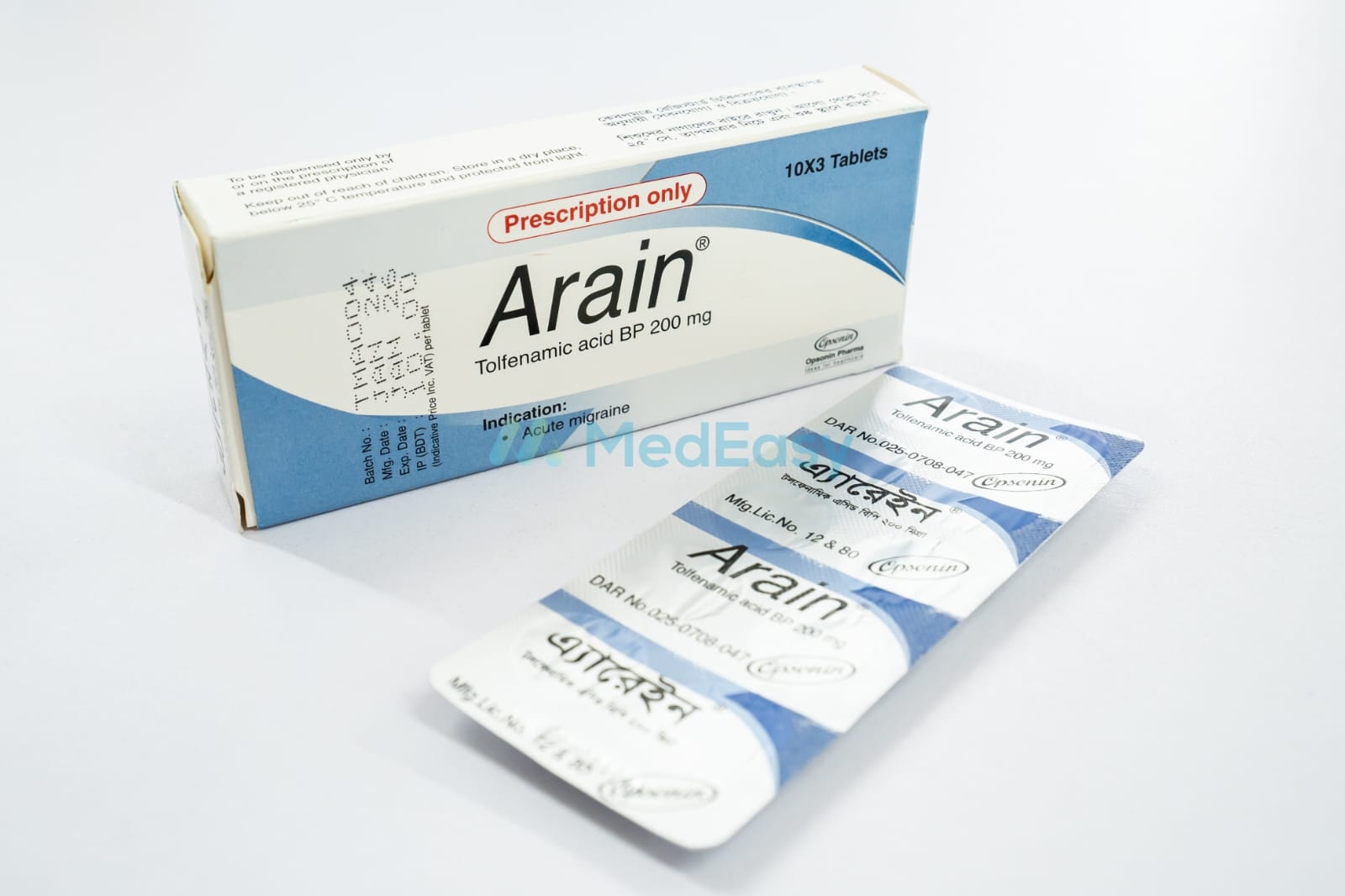
Tolfenamic acid is a non-steroidal anti-inflammatory drug (NSAID) of the fenamate class, established for the following uses: Established / Approved Uses Acute treatment of migraine attacks and more.

Forms:Tablet

About Tolfenamic acid

Indications of Tolfenamic acid

Tolfenamic acid is a non-steroidal anti-inflammatory drug (NSAID) of the fenamate class, established for the following uses:

Established / Approved Uses

  • Acute treatment of migraine attacks, with or without aura — Tolfenamic acid is taken at the onset of an attack to relieve headache and associated symptoms.
  • Mild to moderate pain, including musculoskeletal pain, dysmenorrhoea (painful periods), and post-operative or post-traumatic pain.
  • Inflammatory conditions such as soft-tissue rheumatism and other painful inflammatory states, where a short course of an anti-inflammatory analgesic is appropriate.

Notes on Use

Tolfenamic acid is intended for short-term, symptomatic relief. It does not prevent migraine attacks and is not a substitute for migraine-preventive therapy. It should be used at the lowest effective dose for the shortest duration needed, as with all NSAIDs.

Dosage & Administration of Tolfenamic acid

Acute Migraine Attack (Adults)

The usual dose of Tolfenamic acid is 200 mg taken orally as soon as possible after the onset of a migraine attack. If the attack is not adequately relieved, a second dose of 200 mg may be taken after 1–2 hours. The total dose should not exceed 400 mg in 24 hours, and treatment should not be repeated more than a few times per month without medical review.

Mild to Moderate Pain / Inflammatory Conditions (Adults)

IndicationUsual Adult Dose
General analgesia / mild-moderate pain200 mg 2–3 times daily, after food, for the shortest effective duration
Dysmenorrhoea200 mg 2–3 times daily, started at onset of pain/menstruation, for 2–3 days as needed

Pediatric Use

Safety and efficacy of Tolfenamic acid have not been established in children and adolescents under 18 years of age; it is generally not recommended for use in this population.

Renal / Hepatic Impairment

Tolfenamic acid should be used with caution and at the lowest effective dose in patients with mild renal or hepatic impairment, and is contraindicated in severe renal or hepatic impairment (see Contraindications). No formal dose-adjustment tables are established; clinical judgement and monitoring are advised.

How to Take

Tolfenamic acid tablets should be swallowed whole with a full glass of water, preferably with or after food, to reduce the risk of gastrointestinal upset.

Side Effects of Tolfenamic acid

Side effects of Tolfenamic acid are generally similar to those of other NSAIDs. Most are dose-related and reversible on stopping treatment.

Common

  • Dyspepsia, nausea, abdominal pain, diarrhoea
  • Headache, dizziness, drowsiness

Less Common / Uncommon

  • Gastrointestinal ulceration or bleeding
  • Skin rash or itching
  • Fluid retention, mild elevation in blood pressure

Rare but Serious

  • Renal impairment or acute kidney injury
  • Hepatic dysfunction
  • Bronchospasm or hypersensitivity reactions in susceptible individuals
  • Serious skin reactions (e.g. Stevens-Johnson syndrome) — rare

Patients should seek prompt medical attention for signs of gastrointestinal bleeding (black stools, vomiting blood), severe skin reaction, or breathing difficulty.

Contraindications of Tolfenamic acid

Tolfenamic acid is contraindicated in patients with:

  • Known hypersensitivity to Tolfenamic acid, other NSAIDs, or aspirin — including a history of bronchospasm, asthma, urticaria, angioedema, or rhinitis triggered by NSAIDs or aspirin.
  • Active gastrointestinal bleeding or active peptic ulcer disease.
  • Severe heart failure.
  • Severe renal impairment.
  • Severe hepatic impairment.
  • Third trimester of pregnancy.

Frequently Asked Questions about Tolfenamic acid

What is Tolfenamic acid used for?

Tolfenamic acid is an NSAID used mainly for the acute treatment of migraine attacks (with or without aura), and also for mild-to-moderate pain and inflammatory conditions such as dysmenorrhoea and musculoskeletal pain.

How should I take Tolfenamic acid for a migraine attack?

The usual dose is 200 mg taken as soon as possible after the migraine starts. If needed, a second 200 mg dose can be taken after 1–2 hours, but the total should not exceed 400 mg in 24 hours. Take it with food or water to reduce stomach upset.

Can I take Tolfenamic acid during pregnancy?

Tolfenamic acid is contraindicated in the third trimester of pregnancy due to risks to the baby. In earlier pregnancy it should only be used if clearly necessary and under a doctor's advice, at the lowest effective dose for the shortest time, because potential risks to the fetus must be weighed against the benefit.

Is Tolfenamic acid safe while breastfeeding?

Data on Tolfenamic acid in breast milk are limited. It should only be used during breastfeeding if clearly needed and on medical advice, with the infant monitored for any unusual effects.

Who should not take Tolfenamic acid?

Tolfenamic acid should not be used by people with a known allergy to Tolfenamic acid, other NSAIDs, or aspirin (including a history of asthma/urticaria triggered by these drugs), active stomach ulcers or GI bleeding, severe heart failure, severe kidney or liver impairment, or in the third trimester of pregnancy.

What should I do if I take too much Tolfenamic acid?

If an overdose of Tolfenamic acid is suspected, seek immediate medical attention or contact emergency/poison control services right away rather than trying to manage it at home.

Disclaimer

The information provided is accurate to the best of our knowledge, but it does not replace professional medical advice. We cannot guarantee its completeness or accuracy, and the absence of specific information about a drug should not be taken as an endorsement. We are not responsible for any consequences arising from this information, so please consult a healthcare professional for any concerns or questions.


DoctorBlogArticles