Generic medicine

Tretinoin: Brands, Price & Uses in Bangladesh

Tretinoin is a retinoid (vitamin A derivative) available in two very different forms with very different uses: Topical Tretinoin (cream/gel/lotion) Acne vulgaris (FDA-approved): used topically for…

Forms:CreamCapsule

About Tretinoin

Indications of Tretinoin

Tretinoin is a retinoid (vitamin A derivative) available in two very different forms with very different uses:

Topical Tretinoin (cream/gel/lotion)

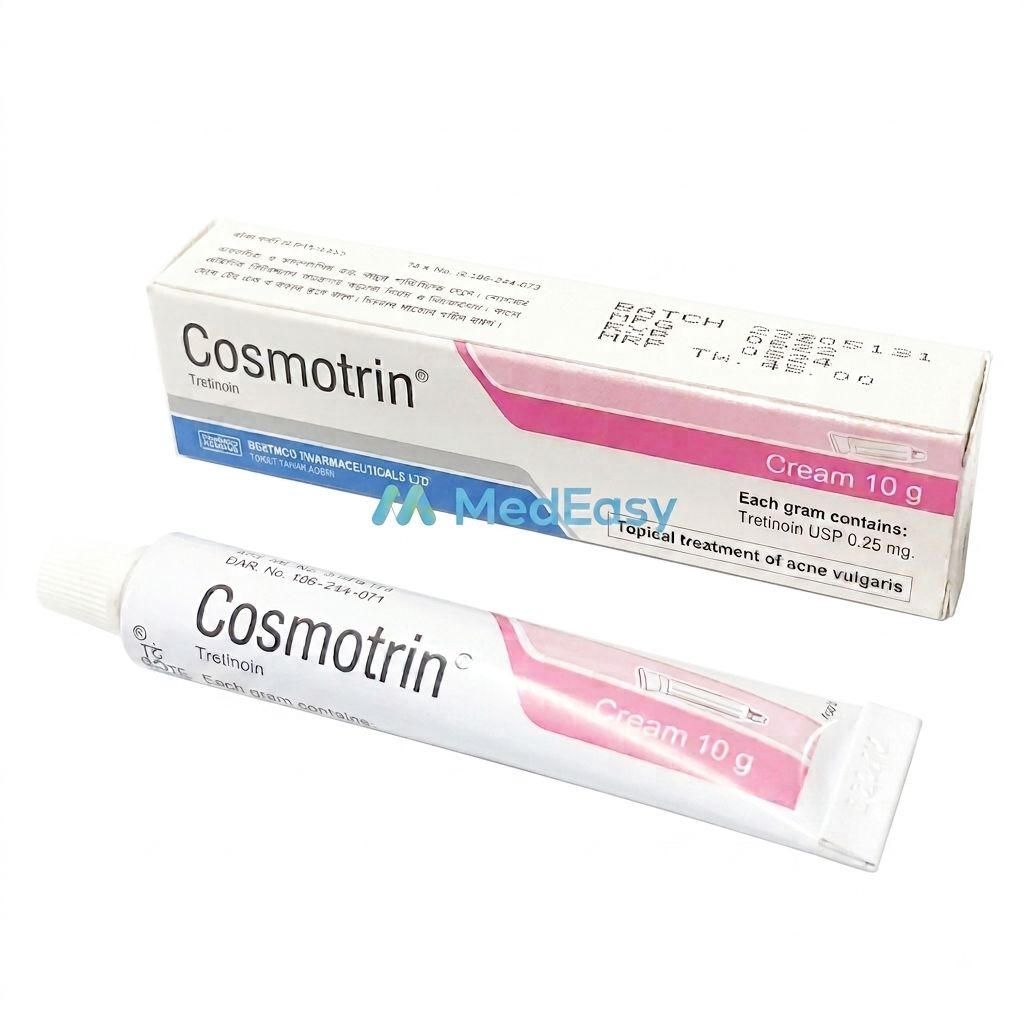
  • Acne vulgaris (FDA-approved): used topically for comedonal and inflammatory acne where comedones, papules, and pustules predominate.
  • Photoaging of the skin (FDA-approved for certain formulations): reduces fine wrinkles, mottled hyperpigmentation, and roughness associated with chronic sun damage, as part of a comprehensive skin-care and sun-protection program.
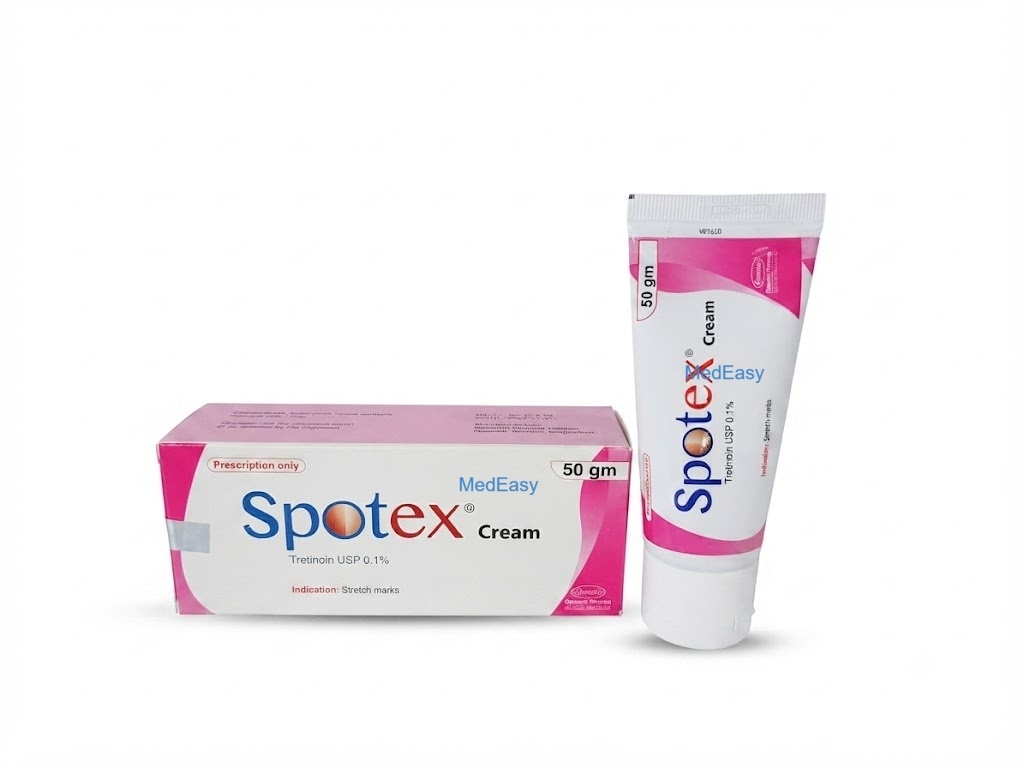
  • Off-label use: some formulations are used for melasma (often in combination products) and striae (stretch marks); evidence is more limited and use should be guided by a physician.

Oral Tretinoin (capsule)

  • Induction of remission in acute promyelocytic leukemia (APL, FAB M3 subtype, with t(15;17) translocation or PML/RARα gene presence) — FDA-approved, used in patients who are refractory to or have relapsed from anthracycline-based chemotherapy, or as first-line induction in combination with anthracycline chemotherapy per current hematology-oncology protocols. This use requires specialist supervision and hospital-based monitoring; it is fundamentally different in risk and purpose from topical use.
FormMain UseEvidence Level
TopicalAcne vulgarisEstablished / FDA-approved
TopicalPhotoagingEstablished / FDA-approved (specific formulations)
TopicalMelasma, striaeOff-label / adjunct, limited evidence
OralAPL induction therapyEstablished / FDA-approved, specialist use only

Dosage & Administration of Tretinoin

Topical use — Acne vulgaris / Photoaging (Adults and adolescents, per label)

  • Wash and dry the affected area gently; wait until skin is completely dry (typically 20-30 minutes after washing) before application to reduce irritation.
  • Apply a thin, sparing layer to the affected area once daily, usually at bedtime (or as directed), avoiding the eyes, lips, mouth, nostrils, and mucous membranes.
  • Start with a lower strength and less frequent application (e.g., every other night) if irritation occurs, then increase as tolerated.
  • Visible improvement typically requires 6 to 8 weeks of continuous use; full benefit for photoaging may take several months.
  • Use a broad-spectrum sunscreen (SPF 15 or higher) daily and minimize sun exposure during treatment.

Oral use — Acute Promyelocytic Leukemia (Adults, specialist-directed)

PhaseDoseDuration
Induction45 mg/m²/day orally, given as two evenly divided dosesUntil complete remission is documented, up to a maximum of 90 days; discontinue no later than 30 days after complete remission
Consolidation/maintenancePer current hematology-oncology protocol (standard chemotherapy or combination regimens follow induction)As directed by the treating oncologist

Oral Tretinoin capsules should be swallowed whole with food. This treatment must only be initiated and monitored by a hematologist-oncologist in a hospital setting equipped to manage differentiation syndrome (see Precautions and Warnings).

Pediatric APL dosing is calculated on the same body-surface-area basis under specialist supervision; see Pediatric Uses.

Side Effects of Tretinoin

Topical Tretinoin

  • Very common: burning or stinging sensation, erythema (redness), dryness, peeling/scaling, and mild irritation, especially in the first 2-4 weeks ("retinization").
  • Less common: photosensitivity, temporary hyperpigmentation or hypopigmentation, worsening of eczema if pre-existing.

Oral Tretinoin (APL)

  • Very common: headache, fever, fatigue, weakness, dry skin/lips, nausea, bone pain, and elevated liver enzymes.
  • Serious: differentiation (retinoic acid) syndrome — see Precautions and Warnings for full detail; pseudotumor cerebri (severe headache, visual disturbance); leukocytosis.

Patients on either form should report severe or persistent reactions to their physician promptly.

Contraindications of Tretinoin

Tretinoin (topical or oral) is contraindicated in patients with known hypersensitivity to Tretinoin, any component of the formulation, or other retinoids. Oral capsule formulations containing parabens are additionally contraindicated in patients with known paraben hypersensitivity.

Frequently Asked Questions about Tretinoin

Is Tretinoin the same as Isotretinoin?

No. Tretinoin (all-trans retinoic acid) is a different molecule from isotretinoin. Topical Tretinoin is used mainly for acne and photoaging, while oral Tretinoin capsules are used only for a specific blood cancer (acute promyelocytic leukemia). Isotretinoin is a separate oral retinoid used for severe acne. Do not substitute one for the other without your physician's advice.

How long does it take for topical Tretinoin to work on acne?

Most people notice initial improvement after 6 to 8 weeks of consistent use, and skin may look slightly worse before it improves as the skin adjusts ("retinization"). Full benefit, especially for photoaging, may take several months of continued use as directed by your physician.

Can I use Tretinoin during pregnancy?

Topical Tretinoin should be used during pregnancy only if clearly needed and the potential benefit justifies any potential risk to the fetus, and only after consulting a physician, since systemic absorption is low but not zero. Oral Tretinoin is a known teratogen and must not be used in pregnancy except for life-threatening APL under strict specialist supervision with effective contraception, since low-dose progestin-only birth control pills may not reliably prevent pregnancy during treatment.

Why do I need sunscreen while using Tretinoin?

Tretinoin thins the outer skin layer and increases sensitivity to sunlight, raising the risk of sunburn and irritation. You should apply a broad-spectrum sunscreen (SPF 15 or higher) daily, wear protective clothing, and minimize sun and sunlamp exposure while using topical Tretinoin.

What is differentiation syndrome and why is it important with oral Tretinoin?

Differentiation syndrome (retinoic acid-APL syndrome) is a serious, potentially fatal reaction that can occur during oral Tretinoin treatment for acute promyelocytic leukemia, causing fever, breathing difficulty, weight gain, and fluid in the lungs. Because it can be life-threatening if not treated promptly with corticosteroids, oral Tretinoin is given only in a hospital setting under close specialist monitoring.

What should I do if I accidentally swallow topical Tretinoin or take too much of the oral capsules?

Topical Tretinoin is not meant to be swallowed; if this happens, or if too much oral Tretinoin is taken, seek immediate medical attention or contact a poison control center/emergency services rather than trying to manage it at home.

Disclaimer

The information provided is accurate to the best of our knowledge, but it does not replace professional medical advice. We cannot guarantee its completeness or accuracy, and the absence of specific information about a drug should not be taken as an endorsement. We are not responsible for any consequences arising from this information, so please consult a healthcare professional for any concerns or questions.

DoctorBlogArticles