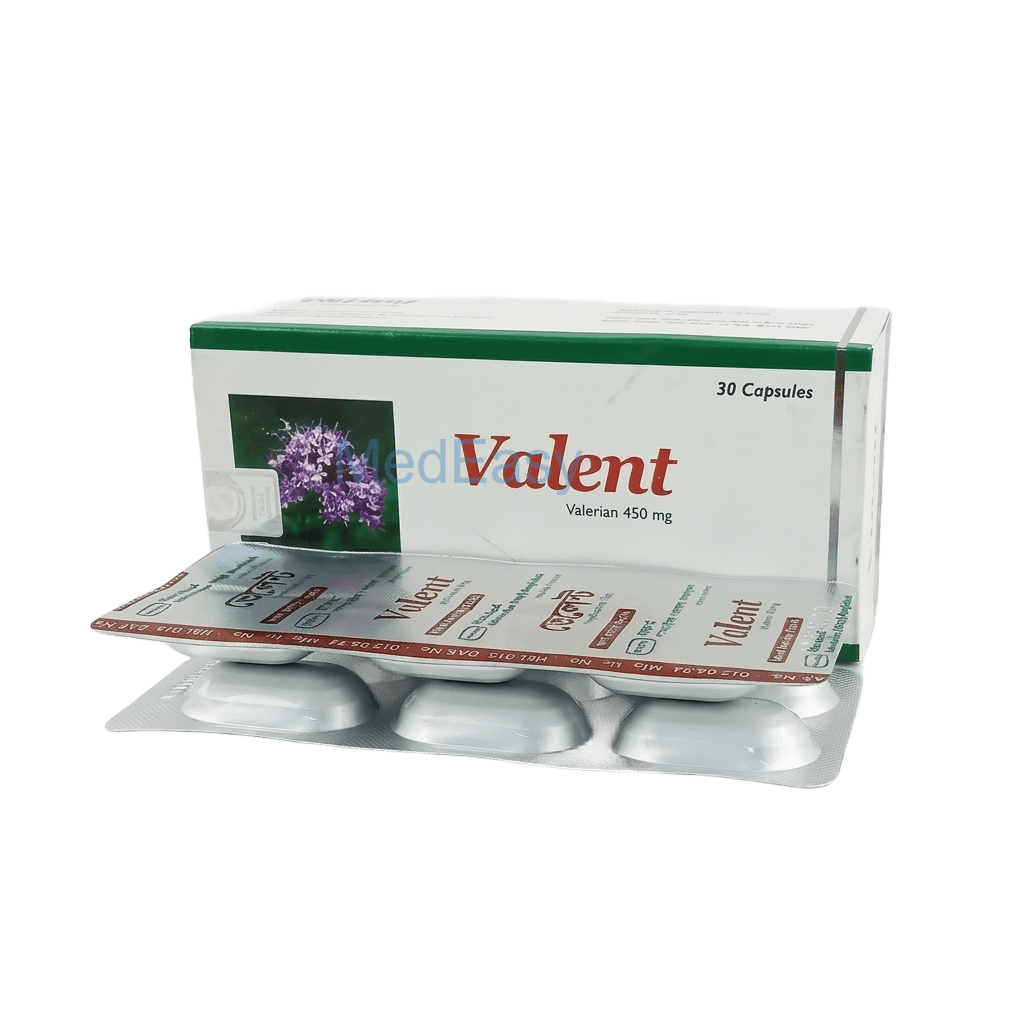
Generic medicine

Valerian Root: Brands, Price & Uses in Bangladesh

Valerian Root is a herbal (botanical) supplement derived from the root/rhizome of Valeriana officinalis .

Forms:Capsule

About Valerian Root

Indications of Valerian Root

Valerian Root is a herbal (botanical) supplement derived from the root/rhizome of Valeriana officinalis. It is traditionally and commonly used, on an over-the-counter/self-care basis, for the following indications:

  • Adjunct/traditional use for mild insomnia — to help with occasional difficulty falling asleep or mild sleep disturbance. Clinical trial evidence is mixed and generally modest in magnitude.
  • Nervous tension and mild anxiety symptoms — traditionally used to promote a mild calming effect during periods of stress or nervous tension.

Valerian Root is not FDA-approved as a drug for any condition (it is regulated as a dietary/herbal supplement, not a prescription medicine), and it is not a substitute for medical evaluation and treatment of significant, persistent insomnia, generalized anxiety disorder, or other clinically significant sleep or anxiety disorders. Patients with such symptoms lasting more than a few weeks, or that are severe, should seek medical evaluation rather than relying on Valerian Root alone.

Dosage & Administration of Valerian Root

Dosing by Indication (Adults)

IndicationTypical Adult DoseTiming
Mild insomnia / occasional sleep difficulty300–600 mg of standardized root extract (or equivalent)30 minutes to 2 hours before bedtime
Nervous tension / mild anxiety symptoms120–200 mg, up to 2–3 times dailyWith or without food, spaced through the day

Pediatric Dose

Not recommended in children; safety and efficacy have not been established (see Use in Special Populations).

Renal/Hepatic Impairment

No well-established dose adjustment exists because Valerian Root is not a standardized pharmaceutical agent; however, caution is advised in hepatic impairment given rare reports of hepatotoxicity (see Side Effects and Precautions), and such patients should use Valerian Root only under medical supervision.

Duration

Valerian Root is generally intended for short-term or intermittent use; see Duration of Treatment.

Side Effects of Valerian Root

Most people tolerate Valerian Root well when used as directed. Reported adverse effects include:

Common

  • Drowsiness or daytime sedation
  • Headache
  • Dizziness
  • Gastrointestinal upset (stomach discomfort, dry mouth)
  • Vivid dreams

Rare

  • Hepatotoxicity (liver injury) — rare case reports have described liver enzyme elevation or hepatitis-like injury associated with valerian-containing products; the causal relationship is not definitively established but caution is advised, especially with pre-existing liver disease or concurrent use of other hepatotoxic agents.
  • Allergic/hypersensitivity reactions (rash, itching)

Contraindications of Valerian Root

Valerian Root is contraindicated in patients with known hypersensitivity to Valerian Root (Valeriana officinalis) or any component of the formulation.

Frequently Asked Questions about Valerian Root

What is Valerian Root used for?

Valerian Root is a herbal supplement traditionally used as an adjunct for mild insomnia (occasional difficulty sleeping) and for nervous tension or mild anxiety symptoms. Clinical evidence is mixed and modest, and it is not a substitute for medical treatment of significant sleep or anxiety disorders.

Is it safe to take Valerian Root every night?

Valerian Root is generally intended for short-term or intermittent use, such as a trial of a few weeks. Regular nightly use over a long period is not well studied, and stopping abruptly after prolonged regular use may cause mild withdrawal-type symptoms, so it should be tapered gradually rather than stopped suddenly. Discuss long-term use with a physician.

Can I drive after taking Valerian Root?

No, you should avoid driving or operating machinery after taking Valerian Root until you know how it affects you, because it can cause drowsiness and impaired coordination.

Can I take Valerian Root with alcohol or sleeping pills?

No. Combining Valerian Root with alcohol, benzodiazepines, or other sedative-hypnotic medications can cause additive sedation and is not recommended without medical guidance.

Is Valerian Root safe during pregnancy or breastfeeding?

Safety data for Valerian Root in pregnancy and breastfeeding is insufficient. It should be avoided, or used only if clearly needed and under a physician's guidance, weighing potential benefit against unknown risk.

Can children take Valerian Root?

No. The safety and efficacy of Valerian Root in children have not been established, so it is not recommended for use in children.

Disclaimer

The information provided is accurate to the best of our knowledge, but it does not replace professional medical advice. We cannot guarantee its completeness or accuracy, and the absence of specific information about a drug should not be taken as an endorsement. We are not responsible for any consequences arising from this information, so please consult a healthcare professional for any concerns or questions.

DoctorBlogArticles