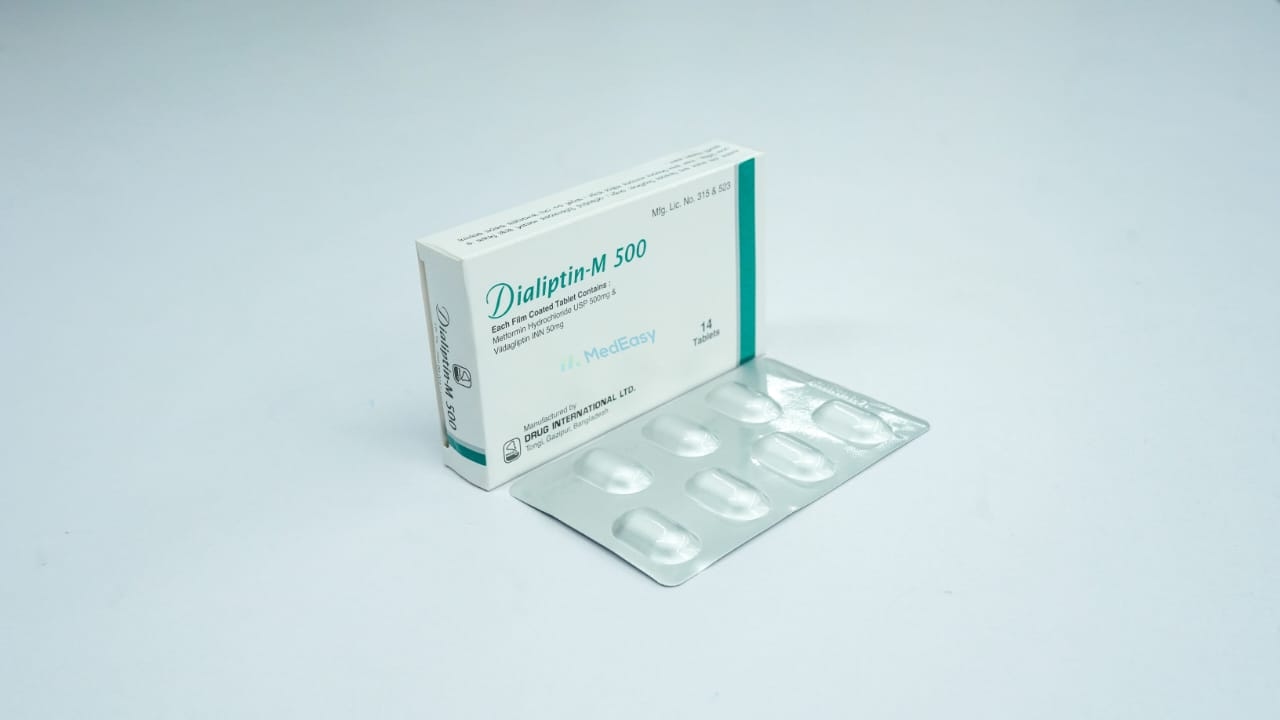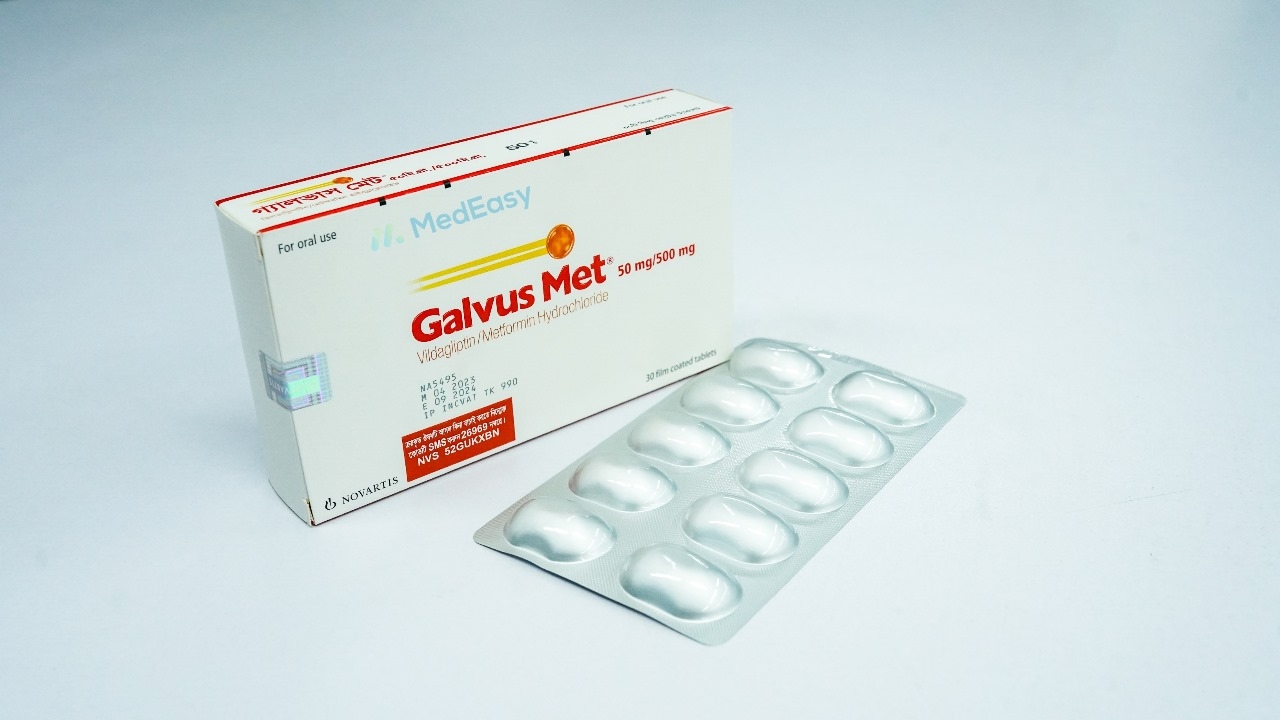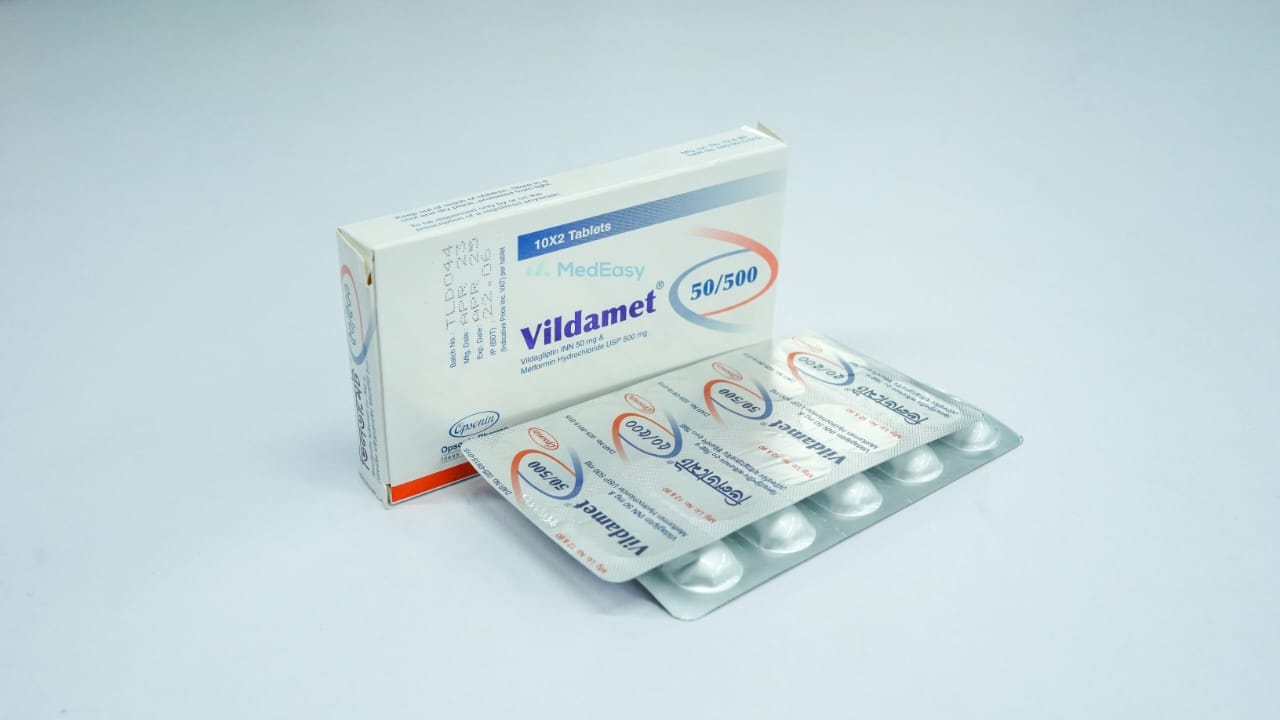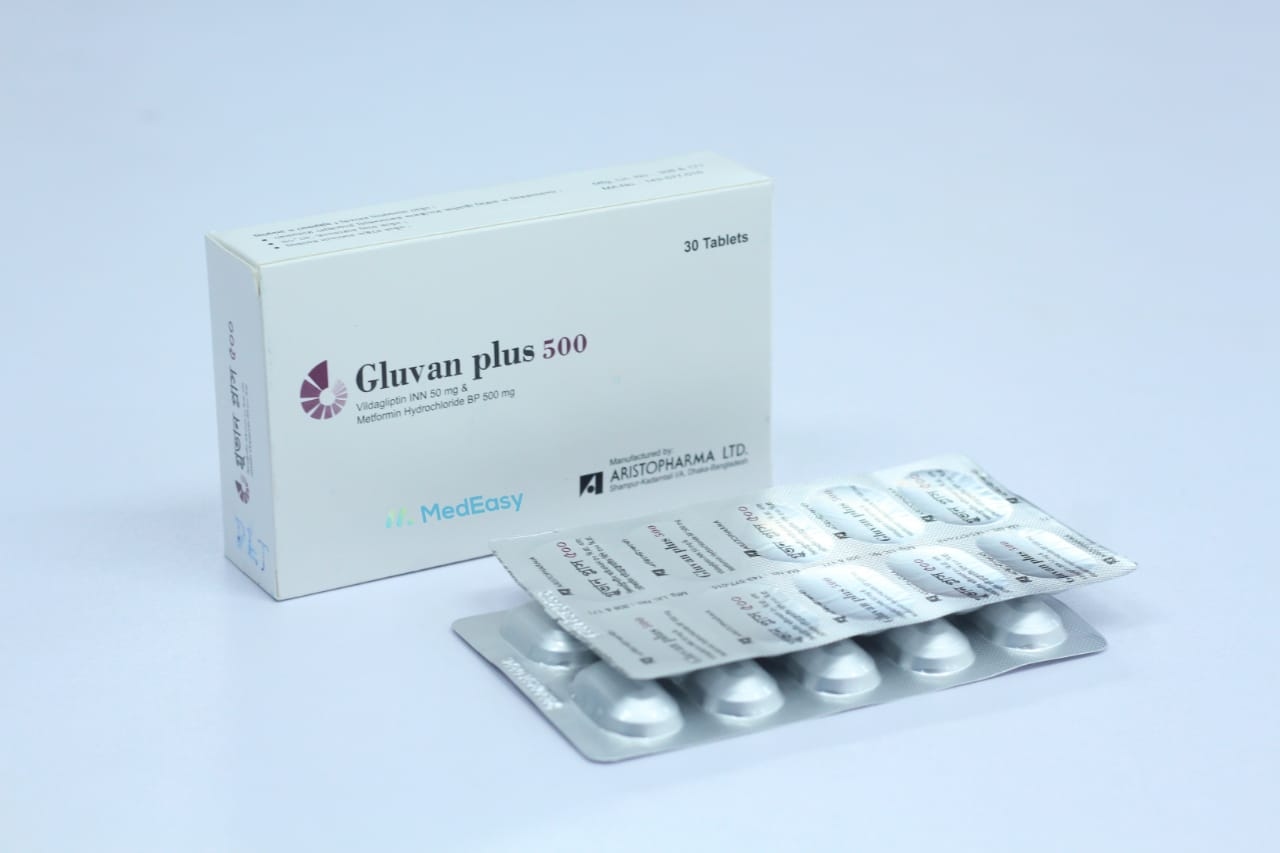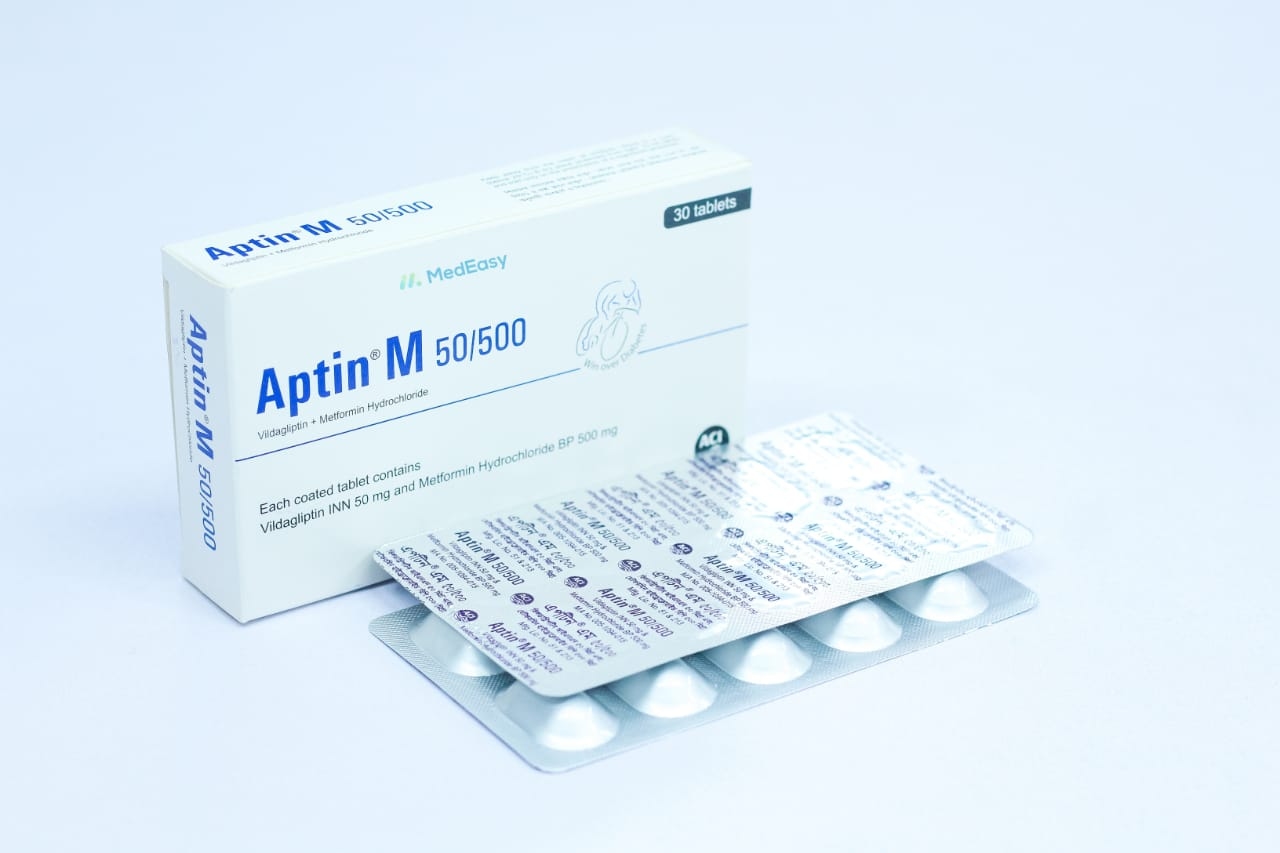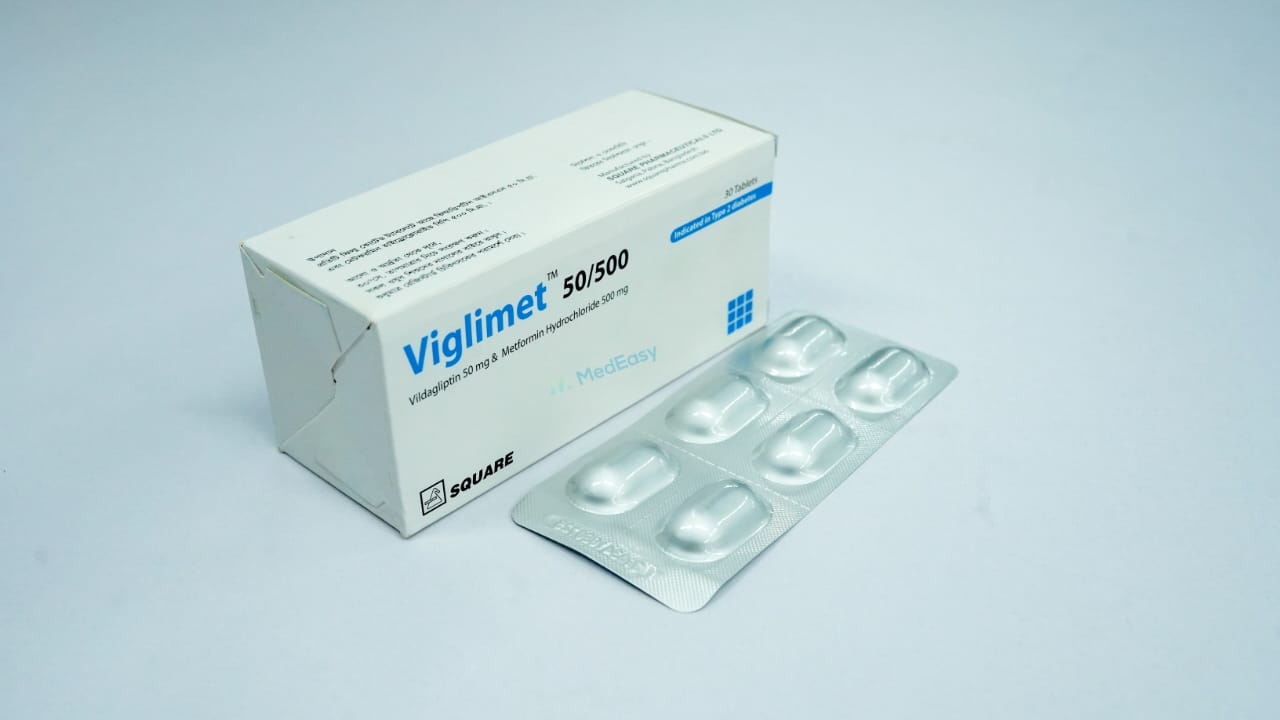
Generic medicine

Vildagliptin + Metformin Hydrochloride: Brands, Price & Uses in Bangladesh

Vildagliptin + Metformin Hydrochloride is indicated as an adjunct to diet and exercise to improve glycaemic control in adults with type 2 diabetes mellitus in the following settings:…

Forms:Tablet

About Vildagliptin + Metformin Hydrochloride

Indications of Vildagliptin + Metformin Hydrochloride

Vildagliptin + Metformin Hydrochloride is indicated as an adjunct to diet and exercise to improve glycaemic control in adults with type 2 diabetes mellitus in the following settings:

  • Established/guideline-supported use: In patients whose blood glucose is not adequately controlled on metformin alone, to provide the additional glycaemic benefit of a dipeptidyl peptidase-4 (DPP-4) inhibitor without the need for two separate tablets.
  • Established/guideline-supported use: As a substitution for patients already being treated with the free combination of vildagliptin and metformin taken separately, for the convenience of a single tablet.
  • Adjunct/combination-therapy use: In combination with a sulfonylurea or with insulin, in patients whose type 2 diabetes is not adequately controlled on metformin and that additional agent, always alongside diet and exercise (this use requires concurrent therapy with the additional agent and carries an increased hypoglycaemia risk; see Interactions and Precautions).

Vildagliptin + Metformin Hydrochloride is not indicated for type 1 diabetes mellitus or diabetic ketoacidosis, and is not a substitute for insulin in patients who require it.

Dosage & Administration of Vildagliptin + Metformin Hydrochloride

General dosing principle

The dose of Vildagliptin + Metformin Hydrochloride should be individualised based on the patient's current metformin dose, effectiveness, and tolerability, while keeping the vildagliptin component at an effective and safe dose.

Clinical situationTypical adult dosing
Inadequately controlled on metformin aloneOne tablet containing 50 mg vildagliptin twice daily (morning and evening), combined with the metformin dose closest to the patient's current metformin dose, up to a total vildagliptin dose of 100 mg/day.
Switching from separate vildagliptin + metformin tabletsVildagliptin + Metformin Hydrochloride tablet matching the doses of vildagliptin and metformin already being taken, given twice daily.
Combined with a sulfonylurea or insulinDose individualised; a lower sulfonylurea or insulin dose may be needed to reduce hypoglycaemia risk (see Precautions).

The maximum recommended daily dose of the vildagliptin component is 100 mg. Tablets should be swallowed whole with a glass of water, taken with or just after food to reduce gastrointestinal side effects.

Renal impairment

Renal function (eGFR)Dose adjustment
≥60 mL/minNo adjustment required for either component.
45–59 mL/minVildagliptin limited to 50 mg once daily; metformin dose reduced per prescriber assessment (maximum metformin dose typically limited to 2000 mg/day).
30–44 mL/minVildagliptin limited to 50 mg once daily; metformin dose further reduced (maximum typically 1000 mg/day), used only if benefit outweighs risk.
<30 mL/minVildagliptin + Metformin Hydrochloride is contraindicated (see Contraindications).

Hepatic impairment

Vildagliptin + Metformin Hydrochloride should not be used in patients with hepatic impairment or elevated liver enzymes, due to the metformin lactic-acidosis risk and vildagliptin's rare hepatotoxicity risk.

Missed dose

If a dose is missed, it should be taken as soon as remembered unless it is almost time for the next dose, in which case the missed dose should be skipped. Doses should not be doubled.

Side Effects of Vildagliptin + Metformin Hydrochloride

The most commonly reported side effects of Vildagliptin + Metformin Hydrochloride include:

  • Headache
  • Dizziness
  • Tremor
  • Nausea and other gastrointestinal symptoms (diarrhoea, abdominal discomfort, decreased appetite) — these are more common when metformin therapy is started and usually diminish over time
  • Hypoglycaemia (mainly when used in combination with a sulfonylurea or insulin)

Less common but important effects include peripheral oedema and, rarely, hepatic dysfunction (see Precautions and Warnings), acute pancreatitis, and skin reactions such as rash or urticaria. Long-term metformin use can be associated with reduced vitamin B12 absorption; periodic monitoring may be considered in patients with risk factors for deficiency.

Contraindications of Vildagliptin + Metformin Hydrochloride

Vildagliptin + Metformin Hydrochloride is contraindicated in the following situations:

  • Known hypersensitivity to vildagliptin, metformin, or any excipient of the tablet.
  • Severe renal impairment (eGFR <30 mL/min).
  • Any acute condition with the potential to alter renal function, such as dehydration, severe infection, or shock.
  • Acute or chronic metabolic acidosis, including diabetic ketoacidosis, with or without coma.
  • Conditions associated with tissue hypoxia (e.g., decompensated heart failure, recent myocardial infarction, respiratory failure), which increase lactic acidosis risk with the metformin component.
  • Hepatic impairment.
  • Acute alcohol intoxication or chronic alcoholism.

Frequently Asked Questions about Vildagliptin + Metformin Hydrochloride

What is Vildagliptin + Metformin Hydrochloride used for?

Vildagliptin + Metformin Hydrochloride is used together with diet and exercise to improve blood sugar control in adults with type 2 diabetes, typically when metformin alone is not enough, or as a convenient single tablet for patients already taking both medicines separately.

Can Vildagliptin + Metformin Hydrochloride cause low blood sugar (hypoglycaemia)?

Used alone, Vildagliptin + Metformin Hydrochloride has a low risk of causing hypoglycaemia because metformin does not stimulate insulin release and vildagliptin acts only in a glucose-dependent way. However, the risk of hypoglycaemia increases if Vildagliptin + Metformin Hydrochloride is combined with a sulfonylurea or insulin, and your doctor may reduce the dose of those medicines.

What is the serious warning about lactic acidosis with Vildagliptin + Metformin Hydrochloride?

The metformin component of Vildagliptin + Metformin Hydrochloride carries a rare but serious risk of lactic acidosis, particularly in people with reduced kidney function, dehydration, serious infection, heavy alcohol use, or conditions that reduce oxygen supply to tissues. Seek immediate medical attention if you experience persistent vomiting, stomach pain, muscle cramps, severe tiredness, or difficulty breathing while taking Vildagliptin + Metformin Hydrochloride.

Do I need to stop Vildagliptin + Metformin Hydrochloride before a scan with contrast dye or before surgery?

Yes. Vildagliptin + Metformin Hydrochloride should usually be stopped before procedures using iodinated contrast dye and not restarted until at least 48 hours afterward, once kidney function has been checked. It should also usually be stopped before surgery under general anaesthesia. Always follow your physician's specific instructions.

Can Vildagliptin + Metformin Hydrochloride be used during pregnancy or breastfeeding?

Vildagliptin + Metformin Hydrochloride is not recommended during pregnancy; insulin is usually preferred for blood sugar control in pregnancy, and Vildagliptin + Metformin Hydrochloride should only be used if your physician decides the benefit clearly outweighs the potential risk. Vildagliptin + Metformin Hydrochloride should not be used while breastfeeding. Always consult your physician if you are pregnant, breastfeeding, or planning either.

Does Vildagliptin + Metformin Hydrochloride require any monitoring while I am taking it?

Yes. Because of the risks associated with Vildagliptin + Metformin Hydrochloride, your physician will typically monitor your kidney function (at least annually) and liver function (before starting, every three months in the first year, then periodically), and may check other parameters based on your individual health status.

Disclaimer

The information provided is accurate to the best of our knowledge, but it does not replace professional medical advice. We cannot guarantee its completeness or accuracy, and the absence of specific information about a drug should not be taken as an endorsement. We are not responsible for any consequences arising from this information, so please consult a healthcare professional for any concerns or questions.

DoctorBlogArticles