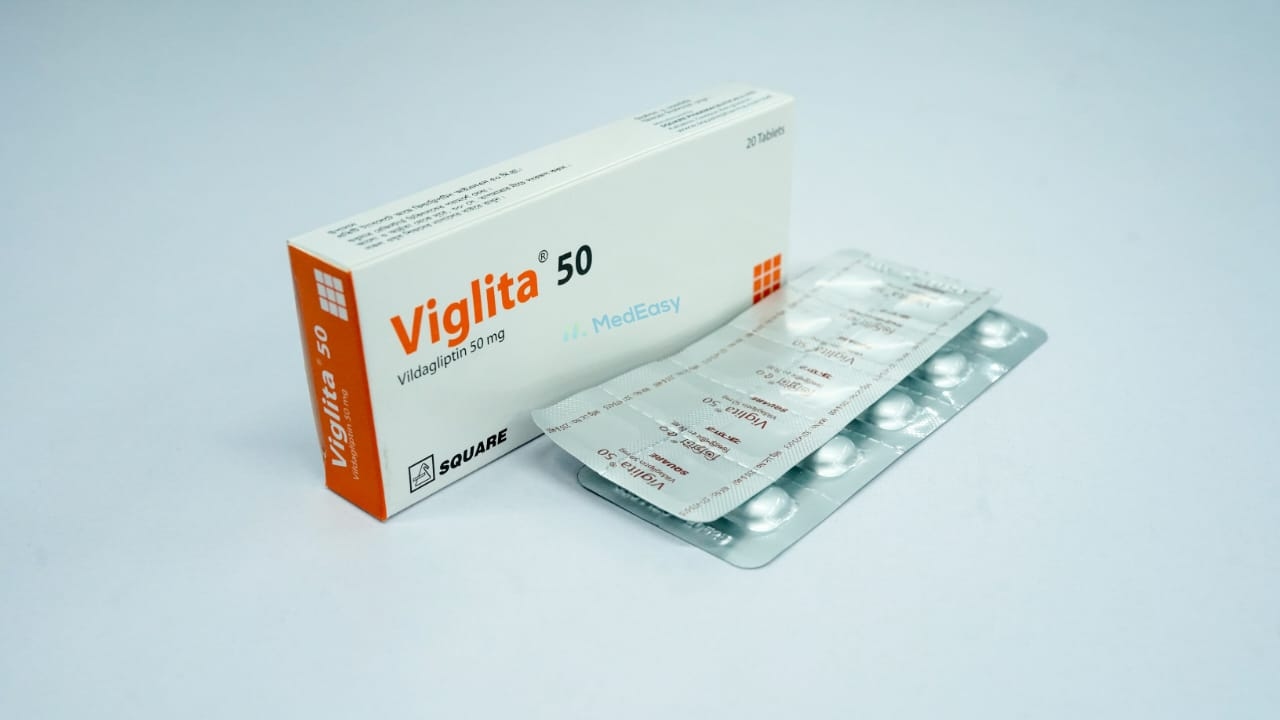
Generic medicine

Vildagliptin: Brands, Price & Uses in Bangladesh

Vildagliptin is a dipeptidyl peptidase-4 (DPP-4) inhibitor indicated as an adjunct to diet and exercise to improve glycemic control in adults with type 2 diabetes mellitus.

Forms:Tablet

About Vildagliptin

Indications of Vildagliptin

Vildagliptin is a dipeptidyl peptidase-4 (DPP-4) inhibitor indicated as an adjunct to diet and exercise to improve glycemic control in adults with type 2 diabetes mellitus.

Established / Guideline-Supported Uses

  • Monotherapy: When diet and exercise alone do not provide adequate glycemic control and metformin is not appropriate (e.g. due to contraindication or intolerance).
  • Dual combination therapy: Added to metformin, a sulphonylurea, a thiazolidinedione, or insulin when the single agent, together with diet and exercise, does not provide adequate control.
  • Triple combination: May be used with metformin plus a sulphonylurea when this combination alone does not provide adequate glycemic control.

Not Indicated

Vildagliptin is not indicated for type 1 diabetes mellitus or for the treatment of diabetic ketoacidosis.

Dosage & Administration of Vildagliptin

General Administration

Vildagliptin tablets may be taken with or without food.

RegimenRecommended Dose
Monotherapy, or combined with metformin, a thiazolidinedione, metformin + sulphonylurea, or insulin50 mg twice daily (morning and evening) — total 100 mg/day
Combined with a sulphonylurea alone50 mg once daily, taken in the morning
Moderate to severe renal impairment or end-stage renal disease50 mg once daily
Hepatic impairmentNot recommended (see Contraindications)

The maximum recommended daily dose is 100 mg. Missed doses should not be doubled up; the next dose should be taken at the regular scheduled time. Dosage should always be individualized by the prescribing physician based on glycemic response and tolerability.

Side Effects of Vildagliptin

Adverse effects of Vildagliptin are generally mild and transient. Common and serious effects include:

Common (may affect up to 1 in 10 people)

  • Dizziness
  • Headache
  • Tremor
  • Nausea
  • Peripheral edema (swelling of hands/feet), particularly when combined with a thiazolidinedione
  • Hypoglycemia (mainly when combined with a sulphonylurea or insulin — see Interactions)

Uncommon to Rare but Clinically Important

  • Liver enzyme elevation and, rarely, hepatitis or liver dysfunction (see Precautions and Warnings)
  • Acute pancreatitis (see Precautions and Warnings)
  • Skin reactions including blistering and, rarely, bullous pemphigoid (see Precautions and Warnings)
  • Joint pain (arthralgia)
  • Upper respiratory tract infection symptoms

Patients should seek prompt medical attention for persistent abdominal pain, yellowing of the skin/eyes, unusual fatigue, or unexplained blistering of the skin.

Contraindications of Vildagliptin

Vildagliptin is contraindicated in patients with:

  • Known hypersensitivity to Vildagliptin or any component of the formulation.
  • Type 1 diabetes mellitus or diabetic ketoacidosis (not indicated for these conditions).
  • Hepatic impairment, including patients with pre-treatment ALT or AST greater than 3 times the upper limit of normal.

Frequently Asked Questions about Vildagliptin

What is Vildagliptin used for?

Vildagliptin is used along with diet and exercise to help control blood sugar levels in adults with type 2 diabetes mellitus. It may be used alone or together with other antidiabetic medicines such as metformin, a sulphonylurea, a thiazolidinedione, or insulin.

How should I take Vildagliptin?

Vildagliptin is usually taken as a 50 mg tablet once or twice daily, with or without food, exactly as prescribed by your physician. The dose depends on what other diabetes medicines you are taking and your kidney function, so do not change your dose without medical advice.

Can Vildagliptin cause low blood sugar (hypoglycemia)?

Vildagliptin alone has a low risk of causing hypoglycemia. However, when combined with a sulphonylurea or insulin, the risk of low blood sugar increases, and your physician may reduce the dose of those other medicines.

Is Vildagliptin safe during pregnancy or breastfeeding?

Vildagliptin is not recommended during pregnancy or breastfeeding because there is not enough human safety data. If you are pregnant, planning pregnancy, or breastfeeding, consult your physician, who will likely recommend an alternative treatment such as insulin.

What side effects should I watch for with Vildagliptin?

Most people tolerate Vildagliptin well, but you should seek prompt medical attention if you develop persistent severe abdominal pain (which can signal pancreatitis), yellowing of the skin or eyes or unusual fatigue (which can signal liver problems), or unexplained blistering of the skin.

Can Vildagliptin be used in children or elderly patients?

Vildagliptin is not recommended in children and adolescents under 18 years because safety and efficacy have not been established. In elderly patients, especially those 75 years and older, Vildagliptin can generally be used but with closer monitoring, and the dose may need adjustment if kidney function is reduced.

Disclaimer

The information provided is accurate to the best of our knowledge, but it does not replace professional medical advice. We cannot guarantee its completeness or accuracy, and the absence of specific information about a drug should not be taken as an endorsement. We are not responsible for any consequences arising from this information, so please consult a healthcare professional for any concerns or questions.

DoctorBlogArticles